



When it comes to E coli symptoms, timing matters more than most people realize. What starts as mild stomach discomfort can quickly become more serious if it’s not recognized early. Many adults brush off digestive issues as indigestion or a short-lived bug, but certain warning signs deserve closer attention.
At MedsRUs, we believe that understanding your body is one of the most powerful ways to protect your health. This guide breaks down what to watch for, how symptoms can progress, and what steps to take if you suspect an infection.
Recognizing E Coli Symptoms In Adults
The first signs of an Escherichia coli infection can feel deceptively mild. In many cases, symptoms appear within one to four days after exposure, though timing can vary depending on the strain and your overall health.
Most adults initially notice sudden stomach cramps, which are often stronger than typical indigestion and may feel sharp or persistent. Diarrhea usually follows shortly after and can range from loose stools to severe, watery episodes.
As the infection progresses, diarrhea may become bloody. This is one of the more alarming symptoms of an e coli infection and should never be ignored. Nausea, occasional vomiting, and fever can also occur, although these tend to be less prominent than the gastrointestinal symptoms and can make it harder to distinguish from other illnesses (especially early on).
Early Warning Signs Your Body Is Fighting An Infection
Before symptoms become severe, your body often sends subtle signals that something isn’t right. Things like slight chills, fatigue, dehydration, and a general sense of feeling unwell are classic signs your body is fighting a bacterial infection, even if you don’t yet know the cause.
Digestive changes are often the first noticeable shift. Even a small increase in bowel movements or mild cramping can signal that your body is responding to a pathogen. You might also notice a sudden loss of appetite or persistent stomach discomfort.
Paying attention to these early signs can help you act sooner, which may reduce the severity and duration of the illness.
How E. Coli Infections Happen

This type of bacteria is commonly found in the intestines of humans and animals, but certain strains can cause serious illness when ingested.
Contaminated food is one of the most common sources. Undercooked ground beef, unpasteurized milk, and raw vegetables that haven’t been properly washed can all carry harmful strains, making cross-contamination a major factor for infections, especially when raw meat comes into contact with ready-to-eat foods.
Water in untreated or poorly maintained systems can expose you as well, which is why it’s best to avoid swimming in contaminated lakes or pools.
Person-to-person transmission is less common but still possible. This is especially true in shared living environments or when proper hand hygiene isn’t followed after using the bathroom.
Viral vs bacterial infection: Why it matters
It’s easy to confuse E. coli with a viral stomach bug or a parasitic infection like malaria. The symptoms can overlap, but understanding the difference between viral and bacterial infections is important for proper treatment.
Viral infections, such as norovirus, typically resolve on their own within a few days. They often include vomiting as a dominant symptom and may spread rapidly in groups.
Bacterial infections like E. coli tend to involve more intense abdominal pain and are more likely to cause bloody diarrhea. They may also last longer and, in some cases, require medical attention.
Another key difference is treatment. Antibiotics are ineffective against viruses but may be considered in specific bacterial cases. That’s why getting the right diagnosis matters, especially if symptoms are severe or persistent.
When Symptoms Become Serious
While many cases resolve without complications, some infections can escalate quickly. Recognizing when symptoms cross the line from uncomfortable to dangerous is essential.
One of the biggest risks is severe dehydration, as frequent diarrhea can lead to significant loss of fluids and electrolytes, causing dizziness, dry mouth, and reduced urination.
Bloody stools are another red flag that should never be ignored. This indicates damage to the intestinal lining and requires prompt medical evaluation.
In rare cases, certain strains of E. coli can lead to a serious condition called hemolytic uremic syndrome (HUS), which affects the kidneys and can become life-threatening if not treated quickly. Symptoms may include decreased urination, swelling, and unusual bruising.
If you notice any of these signs, seeking medical care immediately is the safest course of action.
Who Is Most At Risk?
Although anyone can get an E. coli infection, some groups, like older adults, young children, and those with weakened immune systems, are more vulnerable and at a higher risk of complications.
Pregnant individuals should also take extra precautions, as infections can pose additional risks during pregnancy.
People with underlying health conditions, especially those affecting the digestive or immune system, like IBS, may experience more intense symptoms or longer recovery times.
Diagnosis, Testing, and Recovery
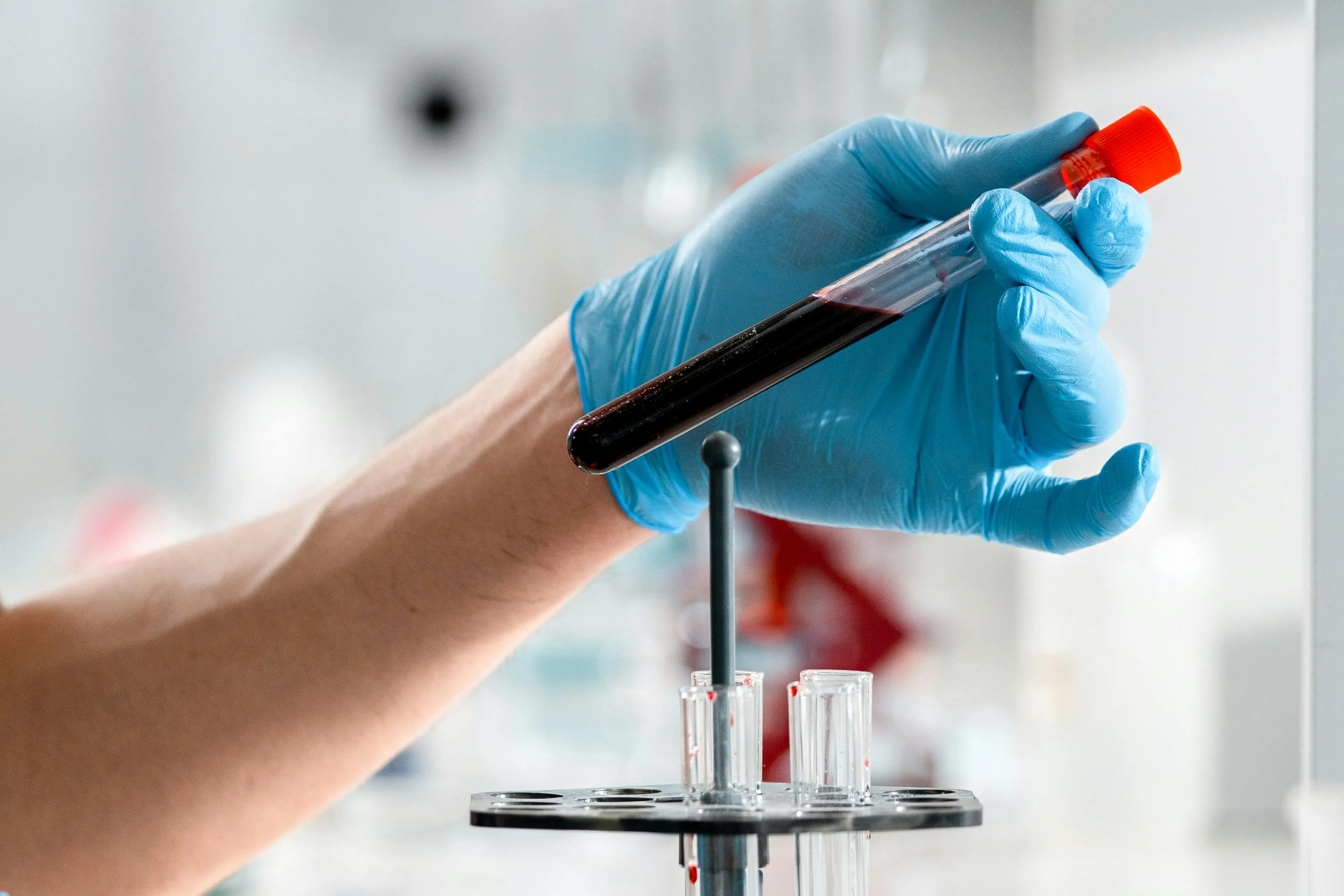
If your symptoms suggest a bacterial infection, a healthcare provider may recommend testing to confirm the cause. This usually involves a stool sample, which is analyzed for harmful bacteria.
Testing helps rule out other conditions and ensures that any treatment plan is appropriate for the specific infection. In more severe cases, blood tests may be used to check for complications or signs of dehydration.
E coli Treatment: What Actually Works
The approach to e coli treatment depends on the severity of the infection. For many adults, hydration and rest are enough to allow the body to recover naturally.
Drinking plenty of fluids helps replace what’s lost through diarrhea and reduces the risk of complications. Oral rehydration solutions can be particularly helpful in maintaining electrolyte balance. Giving your body time to recover also allows your immune system to do its job more effectively.
While medications may be prescribed in some cases, antibiotics are not always recommended for E. coli infections, as they can sometimes increase the risk of complications with certain strains.
How Long Does Recovery Take?
Most healthy adults begin to feel better within five to seven days, though recovery time can vary depending on the individual and the severity of the infection.
Mild cases may resolve more quickly, while more severe infections can take longer to fully clear. Fatigue and digestive sensitivity may linger even after the main symptoms improve.
Staying hydrated and gradually reintroducing bland, easy-to-digest foods can help support recovery.
Preventing E. Coli Infections in Everyday Life
Prevention starts with simple, consistent habits. Easy (but effective) ways to reduce your risk include proper food handling, cooking meat like ground beef thoroughly, and washing fruits and vegetables before eating them, which helps kill bacteria before it has a chance to cause problems.
Hand hygiene plays a major role as well. Washing your hands thoroughly after using the bathroom, handling raw food, or coming into contact with animals can significantly lower your risk.
Avoiding unpasteurized dairy products and untreated water sources adds another layer of protection.
When To Seek Medical Help
If you experience severe abdominal pain, persistent diarrhea, or any signs of dehydration, it’s time to consult a healthcare provider.
Bloody stools, high fever, or symptoms that don’t improve within a few days should also prompt medical attention.
How MedsRUs Supports Your Care

At MedsRUs, our goal is to make healthcare more accessible and less stressful. We provide reliable information, convenient online pharmacy services, and support that helps you take control of your health.
Our approach is rooted in accuracy, transparency, and patient-first care. Whether you’re managing symptoms at home or seeking treatment options, our prescription delivery is here to help you move forward with clarity.