


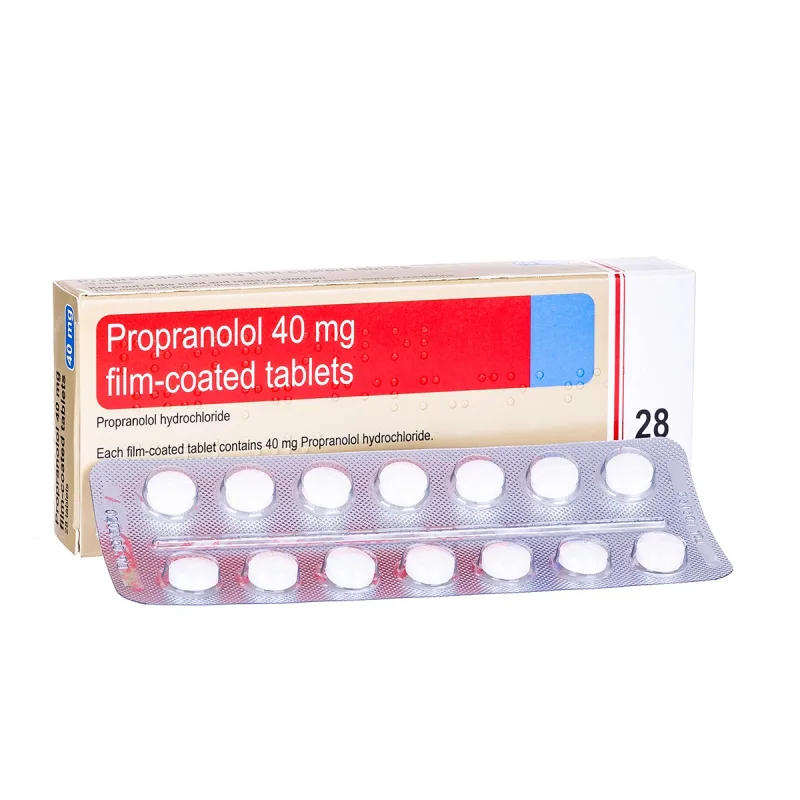
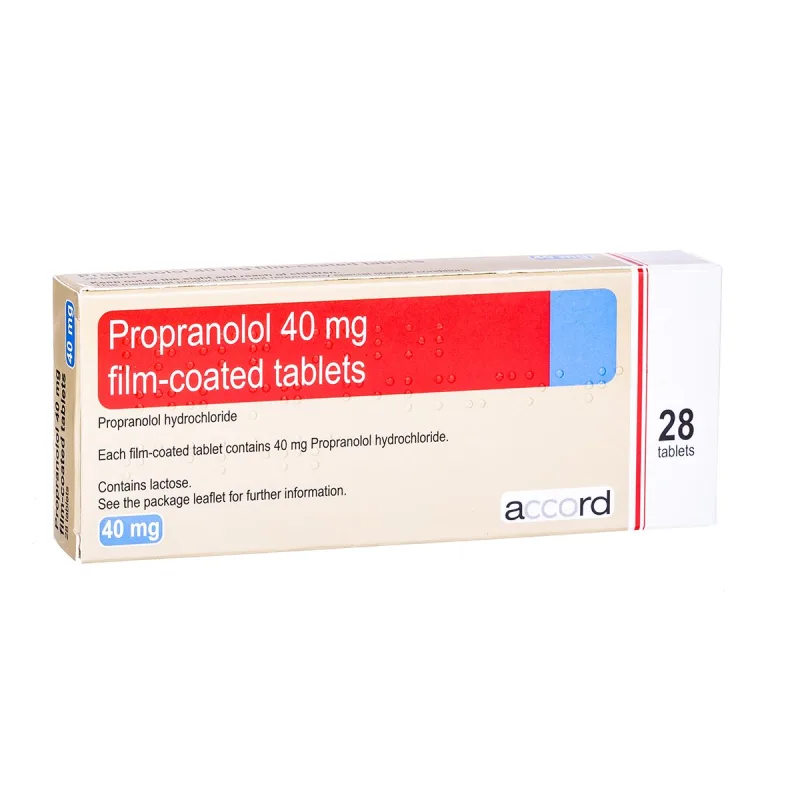
Images are for illustration only.
Propranolol 10mg & 40mg Tablets
Propranolol is a prescription beta blocker that eases the physical symptoms of anxiety in specific situations, such as a racing heart, sweating and shaking. It's taken only when needed, and it isn't suitable for people with asthma.
Free online assessment with a UK prescriber



Propranolol is a prescription beta blocker. For anxiety, it eases the physical symptoms that can come with stressful situations, such as a racing heart, sweating and shaking. It doesn't stop worrying thoughts, and it's taken only when needed, about an hour before the situation. It isn't safe for everyone: it can't be used by people with asthma, and it is dangerous if too much is taken. A UK prescriber reviews a short online consultation before supplying it.
Propranolol at a glance
| Details | |
|---|---|
| Active ingredient | Propranolol hydrochloride, 10mg or 40mg tablets |
| Type of medicine | Beta blocker |
| Used here for | Physical symptoms of anxiety in specific situations, such as a presentation, an interview or a flight |
| Usual dose | 10mg to 40mg about an hour beforehand, as advised by your prescriber |
| Daily use | Not for daily use for anxiety |
| Not suitable for | People with asthma or a history of wheezing |
| Prescription needed | Yes |
How propranolol helps anxiety
When you feel anxious, your body releases adrenaline. Adrenaline makes your heart beat faster and can cause sweating, shaking and a dry mouth. Propranolol blocks some of these effects, so your heart rate stays steadier and the shaking eases.
It's important to know what it won't do. Propranolol doesn't change anxious thoughts or worries. Some people find that once the physical symptoms settle, they feel calmer in themselves, but it isn't a treatment for ongoing anxiety.
How to take propranolol
- For anxiety before a specific event, the usual dose is 10mg to 40mg, taken about an hour beforehand. Your prescriber will tell you which dose to take.
- Don't take more than your prescriber advises.
- Try a dose at home on an ordinary day first, so you know how it affects you before an important event.
- Swallow the tablet with a drink of water, with or without food.
- It isn't meant for daily use for anxiety. If you find you need it more often, speak to your GP.
Who can't take propranolol?
Don't take propranolol if you have:
- asthma, or have ever had wheezing or breathing problems, because it can cause a severe asthma attack;
- a very slow heartbeat or heart block;
- very low blood pressure;
- heart failure that isn't under control;
- severe circulation problems, such as in your hands and feet.
Tell us if you have diabetes (propranolol can hide the warning signs of a low blood sugar), thyroid problems, liver or kidney problems, depression, or if you're pregnant or breastfeeding.
Propranolol and your safety
Propranolol can be very dangerous if too much is taken. If you're feeling low, or having thoughts of harming yourself, please tell us or speak to your GP. We won't supply propranolol if it isn't safe for you, and we supply small quantities for situational anxiety.
If you're struggling right now, you can call Samaritans free on 116 123, at any time. If you or someone else has taken too much propranolol, call 999 or go to A&E straight away, even if you feel well.
Side effects of propranolol
- Common: tiredness, cold hands and feet, sleep problems or vivid dreams, and feeling sick.
- Get medical help straight away if you have wheezing or breathlessness, a very slow heartbeat, fainting, or swelling of your ankles.
If you've been taking propranolol regularly, don't stop suddenly. Speak to your prescriber, as the dose usually needs to be reduced gradually. Read more about side effects of anxiety medicines.
Other medicines
Don't take propranolol with verapamil or diltiazem. Tell us if you take any other medicines for blood pressure or your heart, medicines for diabetes, or anti-inflammatory painkillers such as ibuprofen.
Other help for anxiety
Propranolol can help with the physical signs of anxiety on the day, but it doesn't treat the cause. For anxiety that affects your daily life, talking therapies such as cognitive behavioural therapy (CBT) work well, and in England you can refer yourself to NHS Talking Therapies without seeing a GP. Our page on anxiety treatment explains all the options.
How to get propranolol from MedsRus
- Complete a short, confidential consultation about your symptoms, your health, your mental health and any medicines you take.
- A UK prescriber reviews it and, if propranolol is suitable and safe for you, approves a small supply.
- We send it in plain, discreet packaging.
Propranolol FAQs
How long before an event should I take propranolol?
About an hour before. Try a dose at home on an ordinary day first, so you know how it affects you before the day that matters.
Can I take propranolol if I have asthma?
No. Propranolol can cause a severe asthma attack, even if your asthma is mild or you haven't had symptoms for years. Tell us if you've ever had asthma or wheezing.
Is propranolol addictive?
No. Propranolol isn't addictive. If you've been taking it regularly for a while, don't stop suddenly: speak to your prescriber, as the dose may need to be reduced gradually.
Can I drink alcohol with propranolol?
Alcohol can add to the blood pressure lowering effect of propranolol and make you feel dizzy or light-headed. It's best to avoid it, or keep to small amounts, until you know how propranolol affects you.
Can I take propranolol every day for anxiety?
Not as supplied here. We supply propranolol for anxiety in specific situations, taken only when needed. If you find you need it often, speak to your GP about longer-term treatments such as talking therapies.
Sources: