


How Effective Is the Morning After Pill? A Complete Guide to Emergency Contraception
How effective is the morning after pill? It's one of the most important questions to answer quickly after unprotected sex, and getting accurate information fast can make a real difference. This guide provides clear, evidence-based answers on effectiveness rates, timing windows, and what affects how well emergency contraception works, so you can make an informed decision without delay. MedsRUs offers 24/7 online access to emergency contraception, meaning you can start the process at any hour — no waiting for a pharmacy to open, no queues.
Related: Can Irregular Periods Cause Infertility? Understanding the Connection
What Is the Morning-After Pill and How Does It Work?
The morning-after pill is a form of emergency contraception taken after unprotected sex to reduce the risk of pregnancy. There are two main types available in the UK: levonorgestrel pills (such as Levonelle) and ulipristal acetate (ellaOne). Both work primarily by delaying or preventing ovulation, which means the egg is never released for a sperm to fertilise.
A crucial point that is often misunderstood is that morning-after pills work by delaying ovulation before the process begins. They cannot intervene once ovulation is already underway. The pill works best when taken before ovulation occurs. Once ovulation has already happened, neither type of oral emergency contraception can reliably prevent pregnancy.
A common misconception is that the morning-after pill is an abortion pill. It is not. It does not end an existing pregnancy and has no effect once a fertilised egg has implanted in the uterus. If you are already pregnant, the morning-after pill will not affect the pregnancy.
For those who need the most effective option available, the copper intrauterine device (IUD) is worth knowing about. When inserted by a healthcare professional within five days of unprotected sex, it is over 99% effective, making it the most reliable form of emergency contraception. However, it requires a clinical appointment and is not available over the counter.
Understanding how the morning-after pill works (and what it cannot do) is the first step in making the right choice for your situation. If you are ready to act now, MedsRUs provides discreet, round-the-clock access to emergency contraception online.
How Effective Is the Morning After Pill? Breaking Down the Numbers
Morning-after pill effectiveness depends significantly on which type you take and how quickly you take it. Here is a clear breakdown of what the data shows.
Levonorgestrel pills (such as Levonelle in the UK) are up to 89% effective overall when taken within 72 hours of unprotected sex. However, that overall figure masks important differences across the time window:
- Within 24 hours: approximately 95% effective
- Between 24 and 48 hours: around 85% effective
- Between 48 and 72 hours: around 58% effective
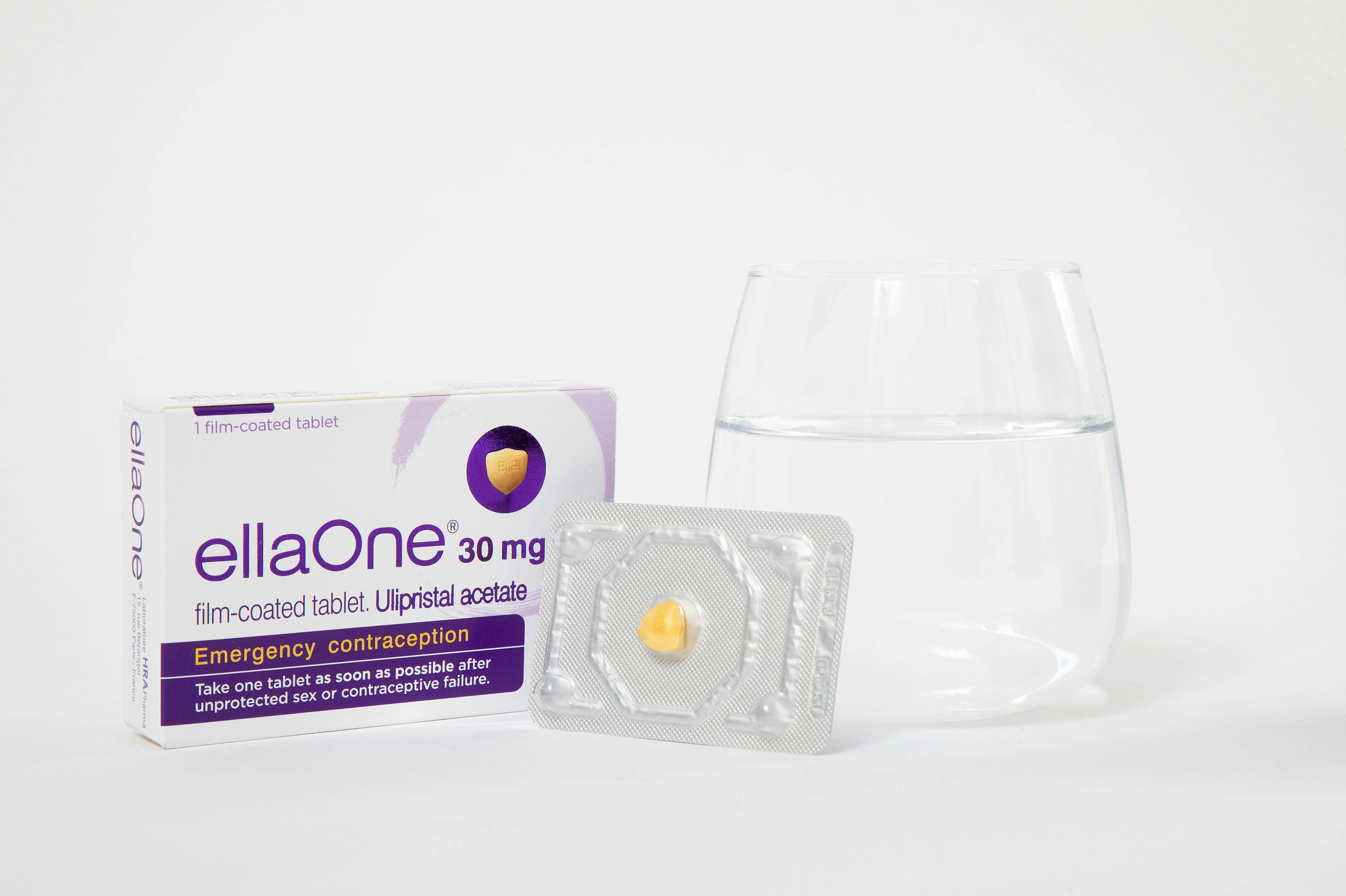
ellaOne (ulipristal acetate), which requires a prescription in the UK, maintains approximately 85% effectiveness across the full 120-hour (five-day) window. This makes it a more consistently reliable option the further you are from the point of unprotected sex. MedsRUs offers a fast, confidential online consultation for ellaOne prescriptions — available 24 hours a day, so time-sensitive access is never restricted by opening hours.
The copper IUD remains the gold standard, with over 99% effectiveness when fitted within five days.
These are population-level estimates, not personal guarantees. Effectiveness varies based on several individual factors covered in the next section.
|
Method |
Time Window |
Effectiveness |
|
Levonorgestrel (Levonelle) |
Up to 72 hours |
Up to 89% overall; ~95% within 24 hours |
|
ellaOne (ulipristal acetate) |
Up to 120 hours |
~85% consistently across full window |
|
Copper IUD |
Up to 120 hours |
Over 99% |
How Plan B Effectiveness Changes Over Time
Levonorgestrel effectiveness drops sharply the longer you wait. Within the first 24 hours, it offers around 95% protection. That figure falls to approximately 85% in the 24 to 48-hour window and drops further to around 58% between 48 and 72 hours. Every hour genuinely matters.
After 72 hours, levonorgestrel is not recommended by manufacturers. While some studies suggest partial efficacy may extend to 96 hours, this is outside the licensed guidance and not a reliable safety net. If you are approaching or past the 72-hour mark, ellaOne or a copper IUD are significantly better options. Because MedsRUs operates around the clock, you can access a prescription consultation for ellaOne at any point in that window, including late at night or over a weekend, when in-person pharmacies may be closed.
Is ellaOne More Effective Than Levonelle?
For people taking emergency contraception later in the five-day window, ellaOne is the stronger choice. Unlike levonorgestrel, whose effectiveness declines sharply after 24 hours, ellaOne maintains around 85% effectiveness throughout the full 120-hour window.
ellaOne does require a prescription in the UK, which means you cannot simply pick it up off the shelf. Through MedsRUs, a prescription assessment is available online at any time of day, with discreet delivery options that do not require you to visit a physical location. If you are more than 48 hours past unprotected sex, the data clearly favours ellaOne over levonorgestrel — and MedsRUs makes accessing it straightforward.
Factors That Reduce Morning-After Pill Effectiveness
Several factors can reduce how well the morning-after pill works, and being aware of them helps you choose the most effective option for your circumstances.
Timing
This remains the single biggest factor. As shown above, levonorgestrel effectiveness falls from roughly 95% within 24 hours to around 58% between 48 and 72 hours. Taking it as soon as possible is the most important thing you can do.
Body weight
Body weight is an overlooked factor that can affect how well the morning-after pill works. Research suggests that levonorgestrel pills may be less effective for people weighing over approximately 70 to 80 kg (roughly 165 to 175 lbs), which corresponds to a BMI above 26. At higher body weights, the hormone may not reach sufficient concentrations to reliably delay ovulation. ellaOne has shown less sensitivity to body weight in available studies, and the copper IUD remains effective regardless of weight. If body weight is a concern, MedsRUs's online consultation service can help you assess whether ellaOne is the more appropriate option for your circumstances.
Drug interactions
Certain medications can reduce the effectiveness of emergency contraception. Medications known to interfere with emergency contraception include rifampin (an antibiotic used to treat tuberculosis), certain epilepsy medications such as carbamazepine and phenytoin, and the herbal supplement St. John's Wort. These medicines can increase the rate at which the body breaks down the hormones, lowering their concentration and reducing their protective effect. Always disclose any medications you are taking during a consultation — the MedsRUs prescribing process is designed to capture this information so you receive the most appropriate recommendation.
Ovulation timing
Of all the factors that affect effectiveness, ovulation timing is the one least within your control. If ovulation has already occurred, the morning-after pill cannot prevent fertilisation. The pill works by delaying the release of an egg, not by stopping sperm from fertilising one that has already been released. This is why taking it as early as possible, when ovulation is less likely to have occurred, gives it the best chance of working.

None of these factors reflect anything you have done wrong. They are biological realities that affect everyone differently.
When Should You Take the Morning-After Pill?
Take it as soon as possible. The answer is simple: immediately after unprotected sex — not the next morning, not after sleeping on it. The name "morning-after pill" is misleading. You do not need to wait until morning. With MedsRUs available 24/7, there is no need to wait for a pharmacy to open before starting the process.
For levonorgestrel (Levonelle), the window is 72 hours, which means three full days. To make that practical: if unprotected sex occurred at 11pm on a Monday, your 72-hour window closes at 11pm on Thursday. To get the best possible effectiveness, take it before Tuesday at 11pm.
For ellaOne, the window extends to 120 hours, which is five days. Using the same example, that window closes at 11pm on Saturday. ellaOne's consistently strong effectiveness across this window makes it the better oral option if you are approaching the end of the time frame.
How effective is the morning-after pill within 24 hours? For levonorgestrel, approximately 95%. That is the peak of its protection. Morning-after pill effectiveness within 72 hours drops progressively, so acting quickly gives you the best outcome.
After 120 hours, oral emergency contraception is no longer recommended. However, a copper IUD can still be inserted up to five days after unprotected sex and will provide over 99% protection. If you are outside the oral window entirely, seek an urgent clinical appointment.
How to Get the Morning-After Pill: Pharmacy, Online, and Prescription Options
In the UK, there are several ways to get emergency contraception, and the fastest route depends on your location and circumstances.
MedsRUs online pharmacy is available 24 hours a day, seven days a week, including nights, weekends, and bank holidays when high street pharmacies are closed. Levonelle generics and, via online consultation, ellaOne prescriptions are both accessible through the platform. Delivery is fast and discreet, with packaging that protects your privacy. For those who cannot easily get to a pharmacy in person, whether due to location, working hours, or personal preference, MedsRUs removes those barriers entirely.
In-person pharmacy: Levonelle is available over the counter at most UK pharmacies without a prescription. Many pharmacies also provide ellaOne through a consultation service, or can refer you for a prescription if needed. This is often the quickest option if a pharmacy is nearby and open.
Sexual health clinics and GPs: Both Levonelle and ellaOne are available free of charge through NHS sexual health clinics and GP surgeries. Some walk-in centres also provide emergency contraception. This is the best route if cost is a concern, as NHS provision means no out-of-pocket expense.
Copper IUD insertion: This must be performed by a trained healthcare professional and requires an appointment at a GP surgery, sexual health clinic, or family planning service. It is the most effective option but cannot be accessed over the counter.
In terms of cost, Levonelle generics typically start from around £10 to £15 at UK pharmacies. ellaOne is generally £25 to £45 privately. The copper IUD, fitted privately, can cost significantly more, though it is available free on the NHS.
Cost should not prevent anyone from accessing emergency contraception. NHS services provide emergency contraception free of charge across the UK, and MedsRUs offers competitively priced options with the added convenience of round-the-clock availability.
Morning-After Pill Side Effects and What to Expect Afterward

Side effects from the morning-after pill are generally mild and short-lived, resolving within a day or two for most people.
The most common side effect is nausea, which affects approximately 23% of people who take levonorgestrel. Other common effects include headache, fatigue, dizziness, breast tenderness, and abdominal cramping. Some spotting or irregular bleeding between periods is also normal.
If you vomit within two hours of taking the pill, the dose may not have been fully absorbed. If this happens, contact a pharmacist or healthcare provider as soon as possible, as you may need to take a second dose. If you do need a second dose, MedsRUs is available around the clock — no need to wait for a pharmacy to open.
Changes to your menstrual cycle are expected after taking the morning-after pill. Your next period may arrive earlier or later than usual. This is a normal hormonal response and not a sign that something has gone wrong.
When to seek medical advice after taking the morning-after pill:
- Severe abdominal pain, which could indicate an ectopic pregnancy
- Your period is more than one week late
- No period arrives following your expected cycle
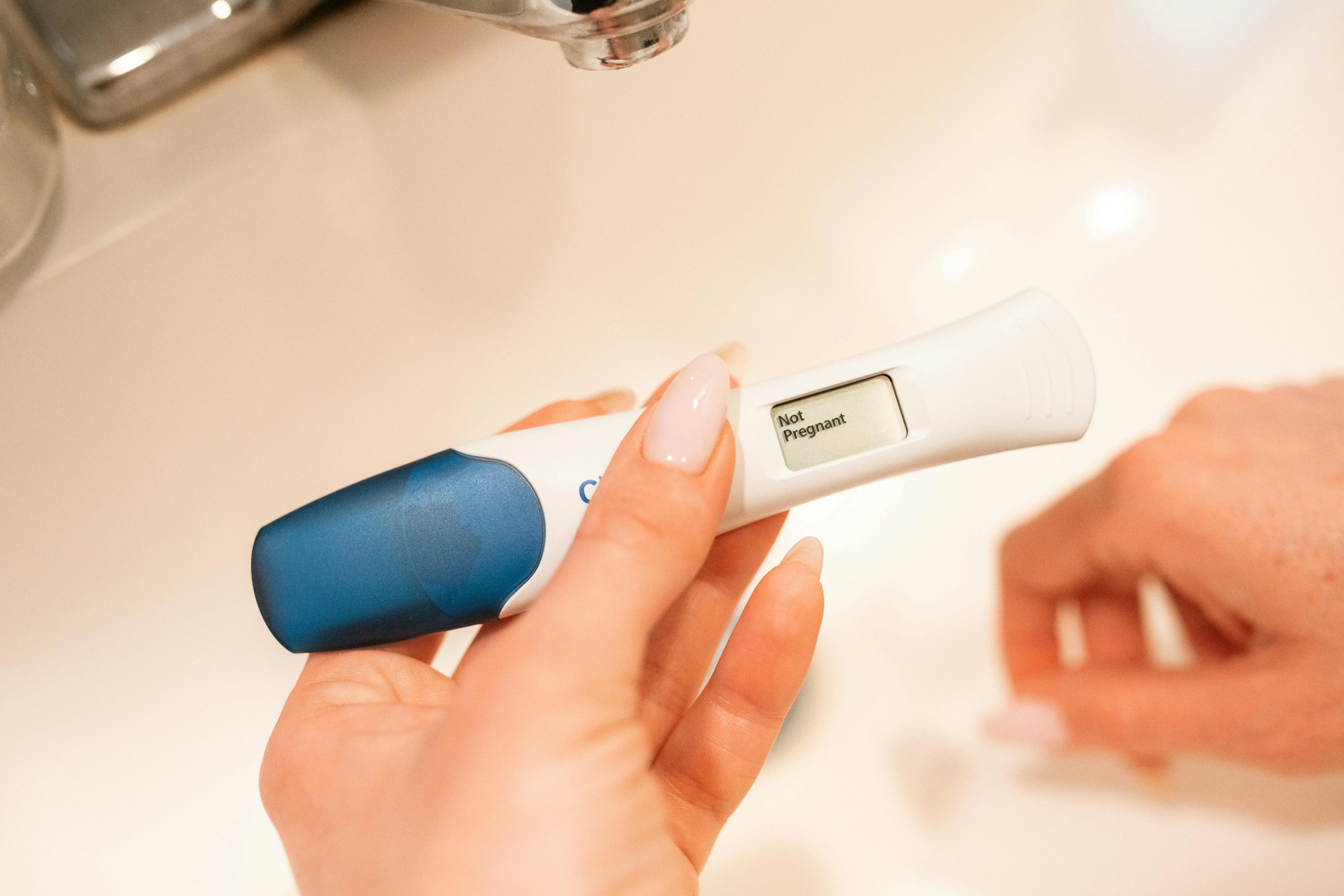
If your period is more than a week late after taking emergency contraception, take a pregnancy test. Testing too early can give inaccurate results because the hormone hCG takes time to build up to detectable levels. Waiting at least three weeks after unprotected sex gives the most reliable result.
The Morning-After Pill vs. Regular Birth Control: Understanding the Difference
The morning-after pill is not a substitute for regular contraception, and relying on it repeatedly is not an effective long-term strategy. This is a point that is rarely addressed clearly, but it matters.
Regular oral contraceptive pills, when taken correctly, are 99% effective with perfect use and around 91% effective with typical use. The morning-after pill, by comparison, ranges from approximately 58% to 95% effective depending on how quickly it is taken. Even at its best, it is less reliable than a daily contraceptive pill used consistently.
The morning-after pill is designed for emergencies, not routine use. Taking it repeatedly does not build up protection over time; each use is a one-off intervention. From a medical standpoint, repeated use of levonorgestrel is not harmful to health, but it is simply not a dependable contraceptive strategy.
|
Contraceptive Method |
Perfect Use Effectiveness |
Typical Use Effectiveness |
|
Combined oral pill |
99% |
91% |
|
Morning-after pill (levonorgestrel) |
Up to 95% (within 24hrs) |
89% overall in 72hr window |
|
Copper IUD (ongoing) |
Over 99% |
Over 99% |
|
Condoms |
98% |
85% |
If you find yourself regularly relying on emergency contraception, this is a useful signal to review your ongoing contraceptive options. MedsRUs offers online consultations for a range of regular contraceptive methods — including the combined oral contraceptive pill, the progestogen-only pill, and other hormonal options — available at any time, without needing to visit a GP or a sexual health clinic in person. There is no judgement in that observation; circumstances change, and so can contraceptive needs.
Does the Morning-After Pill Protect Against STIs?

No. Emergency contraception provides no protection against sexually transmitted infections (STIs), including HIV. This is a straightforward but important point.
If you had unprotected sex and are concerned about potential STI exposure, the morning-after pill does not address that risk. STI testing is available free of charge through NHS sexual health clinics, GP surgeries, and by post through services like SH:24. If you are unsure whether you have been exposed, getting tested is the right step.
For HIV specifically, there is a separate intervention called post-exposure prophylaxis (PEP). PEP is a course of antiretroviral medication that must be started within 72 hours of potential HIV exposure to be effective. It is available through sexual health clinics and A&E departments in the UK, and it is entirely separate from emergency contraception. If you believe you may have been exposed to HIV, contact a sexual health clinic or go to A&E as soon as possible, regardless of whether you have also taken the morning-after pill.
Both concerns (pregnancy risk and STI risk) can exist at the same time, and both deserve attention.
Can You Still Get Pregnant After Taking the Morning-After Pill?
Yes, pregnancy is still possible after taking the morning-after pill. With an overall effectiveness rate of around 89% for levonorgestrel, roughly 1 in 8 people who take it within the 72-hour window may still become pregnant. This does not mean the pill failed through any fault in taking it; it reflects the statistical limits of the medication.
Reasons the pill may not work include taking it too late in the window, ovulation having already occurred at the time of use, body weight factors affecting hormone absorption, or interactions with other medications.
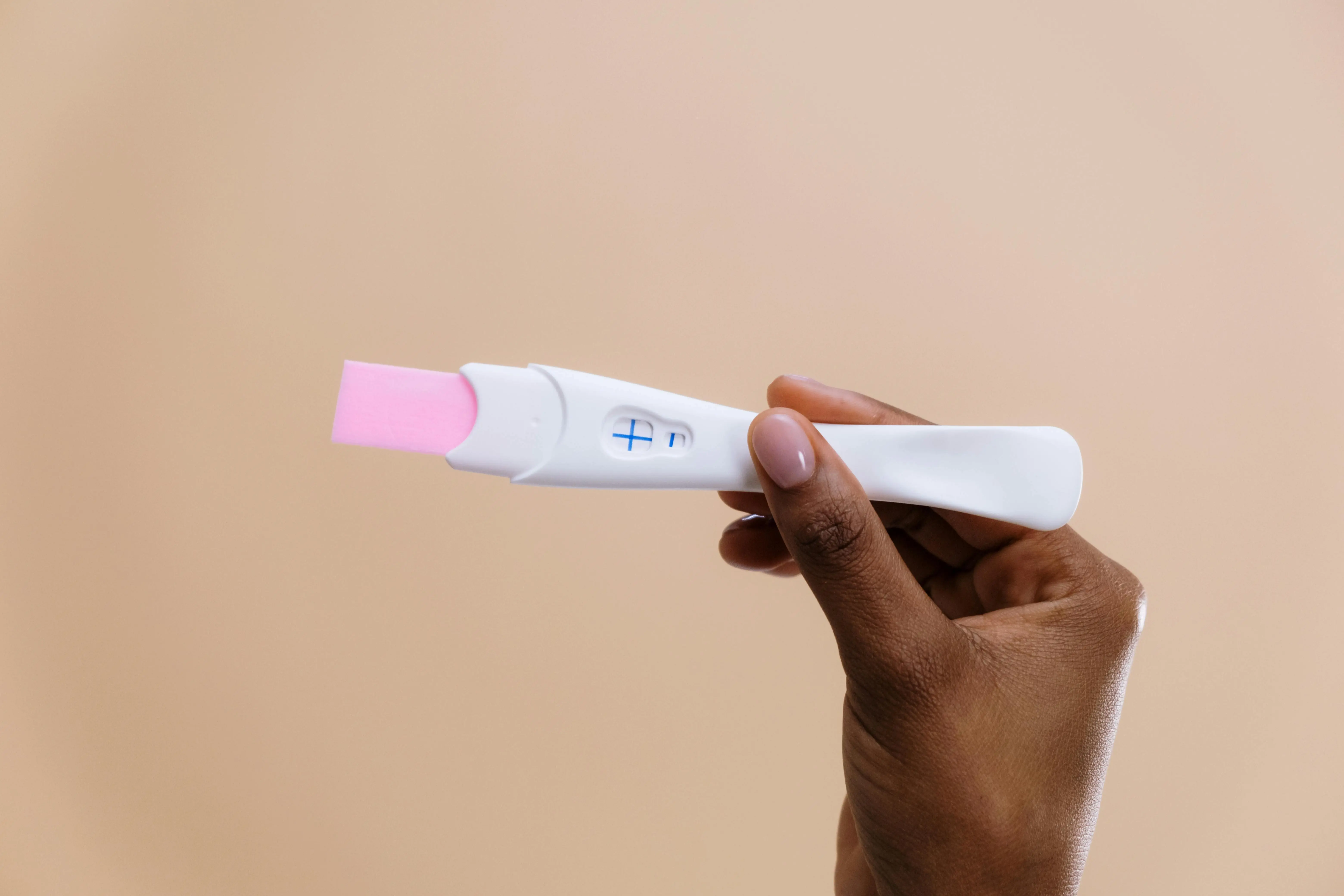
Signs that could indicate pregnancy after taking the morning-after pill include a missed period, a positive pregnancy test, and symptoms such as nausea or breast tenderness that persist or worsen over two to three weeks rather than settling down. It can be difficult to distinguish early pregnancy symptoms from the pill's own side effects in the short term, which is why timing the pregnancy test correctly matters.
How effective is the morning-after pill when ovulating? If ovulation has already occurred, neither levonorgestrel nor ellaOne can reliably prevent pregnancy, as both work by delaying, not stopping, an ovulation that has already begun.
If the pill did not work and you find yourself pregnant, there are options available and support to help you through that decision. Speaking with a GP or visiting a sexual health clinic is a good first step.
Frequently Asked Questions
How effective is Plan B within 24 hours?
Plan B, known as Levonelle in the UK, is approximately 95% effective when taken within 24 hours of unprotected sex. This is the peak of its protection. Effectiveness decreases progressively the longer you wait, dropping to around 58% between 48 and 72 hours.
Does body weight affect how well the morning-after pill works?
Yes. Research suggests that levonorgestrel pills like Levonelle may be less effective for people weighing over approximately 70 to 80 kg (165 to 175 lbs), which equates to a BMI above 26. ellaOne appears less affected by body weight and is a better option for heavier individuals. The copper IUD is effective regardless of weight. If body weight is a concern, MedsRUs's online consultation can help you identify the most appropriate option.
Can I get the morning-after pill from an online pharmacy?
Yes. Levonelle generics are available over the counter, and MedsRUs provides 24/7 online access to emergency contraception with fast, discreet delivery. ellaOne requires a prescription, and MedsRUs offers a streamlined online consultation service to issue one quickly — making it a practical and private route at any hour of the day or night.
How long does the morning-after pill stay effective?
Levonorgestrel pills such as Levonelle are effective for up to 72 hours (three days) after unprotected sex. ellaOne is effective for up to 120 hours (five days). The copper IUD can also be used within five days and offers over 99% protection, making it the most effective emergency contraceptive method available.
What medications interfere with the morning-after pill?
Several medications reduce the effectiveness of emergency contraception, including rifampin, epilepsy medications such as carbamazepine and phenytoin, and the herbal supplement St. John's Wort. If you are taking any of these, disclose them during your MedsRUs consultation. The copper IUD is not affected by any medications and may be the better option in these circumstances.
The morning-after pill is a safe and effective form of emergency contraception when taken promptly, but its effectiveness depends heavily on timing, the type used, and individual health factors. If you are within the 72 to 120-hour window, time matters. MedsRUs is available 24 hours a day, every day of the year — so whether it is 2am on a Sunday or a bank holiday afternoon, you can access emergency contraception without delay, with discreet delivery to your door. If you have questions about ongoing contraception, MedsRUs's prescribing service can help you find a more consistent option that suits your needs long-term.