



What Is Acid Reflux (and How Is It Different From GORD?)
Acid reflux, medically called gastroesophageal reflux (GER), occurs when stomach acid flows backward into the oesophagus. Most people experience this occasionally, and it's largely harmless. The trouble starts when it becomes a regular occurrence.
Gastroesophageal reflux disease (GORD) is the chronic form of acid reflux, defined as reflux occurring two or more times per week over several weeks. According to the NHS, GORD affects approximately 20–30% of adults in the UK, making it one of the most widespread digestive conditions in the country, estimated to affect around 1 in 12 children too.
So what causes acid reflux? At the centre of both conditions is the lower oesophageal sphincter (LOS), a circular muscle valve separating the oesophagus from the stomach. When this valve isn't working properly, acid escapes upward. When GORD goes unmanaged, it can lead to complications, including oesophagitis, Barrett's oesophagus, and oesophageal strictures. If you're experiencing persistent symptoms, start an online assessment with MedsRUs to explore your treatment options.
Related: Is It Asthma vs Anxiety Attack? Key Signs to Help You Identify
How Acid Reflux Happens: The Mechanics Behind the Burn
Understanding what causes acid reflux starts with this mechanical failure: the lower oesophageal sphincter stops doing its job. The LOS is a ring of muscle at the junction where the oesophagus meets the stomach. Under normal conditions, it opens to allow food to pass into the stomach, then closes firmly to prevent stomach contents from travelling back up. When the LOS is weakened, relaxed at the wrong time, or structurally compromised, stomach acid flows back into the oesophagus — unlike the stomach lining, the oesophagus has no protective mucus barrier, producing the burning sensation known as heartburn.

Gravity plays a significant role. When upright, gravity pulls stomach contents downward. Acid reflux is more common after lying down or bending over because that barrier disappears, which is why elevating the head of the bed by six to eight inches is a recognised clinical recommendation for night-time reflux.
Saliva is another overlooked defence. Mildly alkaline and rich in bicarbonate, it neutralises small amounts of acid that reach the oesophagus. When saliva production drops due to smoking, ageing, or medication side effects, this defence weakens. Chewing sugar-free gum after meals stimulates saliva flow and has clinical evidence supporting its use as a mild acid reducer.
Common Causes of Acid Reflux: From Lifestyle to Medical Conditions
Acid reflux has a wide range of causes, from what you eat to structural changes in the body. Understanding the mechanisms behind each cause makes it easier to identify personal triggers and address them effectively.
Foods and Drinks That Trigger Acid Reflux
Certain foods and beverages are well-established contributors to reflux, each with a distinct mechanism. Spicy foods, caffeine, and alcohol are all shown to cause relaxation of the LOS, which weakens its ability to prevent acid backflow.
Fatty and fried foods delay stomach emptying, meaning acid-containing contents sit in the stomach longer and put sustained pressure on the LOS. Chocolate contains both fat and methylxanthines, which directly relax LOS muscle tone. Alcohol also relaxes the LOS and irritates the oesophageal lining directly. Citrus fruits and tomato-based foods lower pH, adding chemical irritation on top of mechanical backflow. Caffeinated and carbonated drinks deserve specific attention: cola is both caffeinated and highly acidic (pH around 2.5), while even sparkling water contributes to stomach distension through carbonation alone.
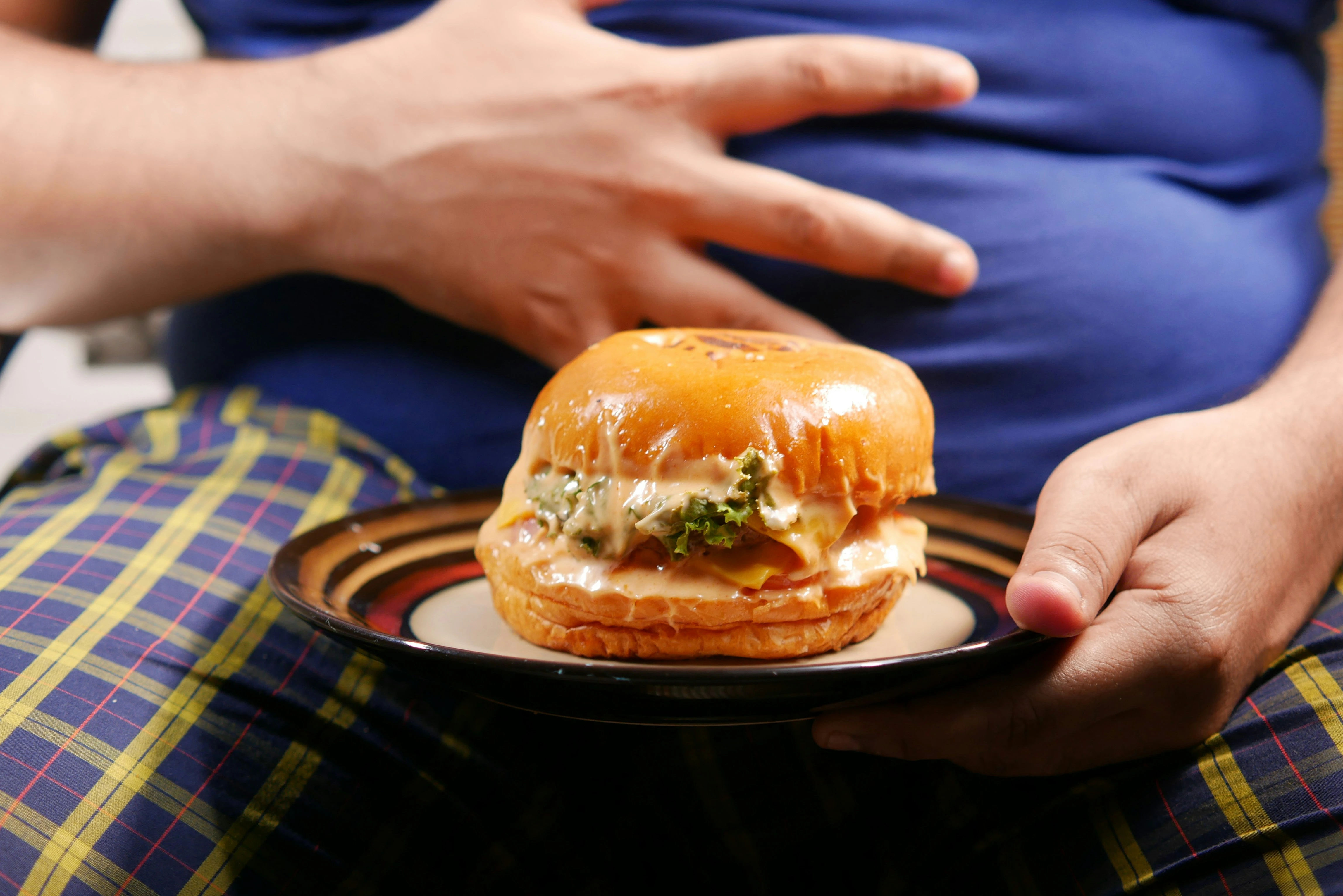
Lifestyle Habits That Worsen Reflux
Obesity is one of the most significant modifiable risk factors for GORD. NHS data shows that around 64% of adults in England are overweight or obese, a population-level factor that contributes substantially to GORD prevalence. Excess abdominal fat increases intra-abdominal pressure, physically pushing stomach contents upward. Smoking, which affects around 13% of UK adults according to the ONS, damages reflux control by relaxing the LOS, reducing saliva production, and impairing the oesophageal contractions that clear acid after reflux episodes.
Large meals distend the stomach and increase pressure at the LOS. Eating quickly compounds this by introducing large food volumes rapidly. Tight clothing and waistbands around the abdomen are a lesser-known contributor, increasing intra-abdominal pressure in the same way excess weight does.
Medical Conditions That Cause Acid Reflux
A hiatal hernia occurs when part of the stomach pushes upward through the diaphragm into the chest cavity, disrupting normal LOS anatomy and allowing acid to pool where it's more accessible to the oesophagus. Hiatal hernias become more common with age and are a significant structural cause of GORD.
Pregnancy creates a dual mechanism: the growing uterus increases abdominal pressure while progesterone relaxes smooth muscle, including the LOS. Gastroparesis, or delayed stomach emptying, is an underappreciated cause: when the stomach empties slowly, food and acid remain present for extended periods. Connective tissue diseases such as scleroderma can also weaken oesophageal muscle and impair acid clearance.
Medications That Can Aggravate Acid Reflux
Several common drug classes are known to worsen reflux. NSAIDs, widely used in the UK and available over the counter, irritate the stomach lining. Calcium channel blockers and beta-blockers relax smooth muscle, including the LOS. Bisphosphonates can be direct oesophageal irritants, and tricyclic antidepressants and some asthma medications also affect LOS tone.

Never stop a prescribed medication without medical guidance. If you suspect a medication is contributing to your reflux, speak with your GP or pharmacist before making any changes. When you order medication from MedsRUs, any medication recommended is issued as a clinician-approved prescription and delivered directly to your door.
Stress, Anxiety, and the Gut-Brain Connection
Stress and anxiety don't directly increase stomach acid production in most people, but they worsen acid reflux in two important ways. First, stress heightens oesophageal sensitivity. The same amount of acid exposure feels significantly more painful because the nervous system amplifies gut pain signals. Second, stress drives behaviours that directly worsen reflux: eating faster, eating larger portions, consuming more alcohol or caffeine, and sleeping poorly.
The gut-brain axis creates a physiological pathway as well. Chronic stress can slow gastric emptying and alter gut motility. In the UK, data from the Mental Health Foundation shows that 74% of adults have felt overwhelmed or unable to cope at some point, highlighting how widespread stress-related digestive impacts are. While lifestyle factors such as overindulgence in food and alcohol are common triggers, some individuals have structural vulnerabilities that make them more prone to reflux even without obvious triggers. Managing stress is a legitimate, evidence-supported component of GORD management.
Age-Related Changes That Increase Your Risk
GORD becomes more common and more severe with age. LOS muscle tone naturally weakens over time as collagen and smooth muscle degrade, making the valve increasingly unreliable. Oesophageal peristalsis (the wave-like contractions that clear acid after reflux episodes) also slows with age, meaning acid lingers in contact with the oesophageal lining for longer.
Saliva production decreases with age, reducing the body's natural acid-neutralising capacity, compounded by polypharmacy — older adults often take multiple medications that cause dry mouth as a side effect. Hiatal hernias are significantly more prevalent after age 50, and these converging factors explain why older adults are disproportionately affected by GORD compared to younger age groups.

These converging factors explain why older adults often experience "silent reflux" — fewer classic heartburn symptoms but significant oesophageal damage — because the protective mechanisms that signal discomfort are themselves diminished. GORD is not simply a younger person's condition.
Recognising the Symptoms of Acid Reflux and GORD
The most recognisable symptom is heartburn: a burning sensation in the chest, often rising toward the throat, typically occurring after eating or when lying down. But the symptom picture is broader than most people expect.
Other common symptoms include regurgitation of sour or bitter fluid, chronic cough, a sore or hoarse throat, a sensation of a lump in the throat (globus), and difficulty swallowing (dysphagia). GORD can also worsen asthma, relevant given the NHS estimates 5.4 million people in the UK currently receive asthma treatment, and cause gradual dental erosion as acid contacts tooth enamel.
Many people with GORD never experience classic heartburn, meaning the condition can go undiagnosed for years. Chest pain from GORD can closely mimic cardiac symptoms and should always be evaluated medically. Certain symptoms require prompt attention: persistent difficulty swallowing, unintentional weight loss, vomiting blood, or black and tarry stools. These warrant immediate evaluation by your GP or via NHS 111.
How to Manage and Reduce Acid Reflux
Understanding what causes acid reflux and GORD makes targeted management more practical. The most effective approach works in tiers, starting with lifestyle changes before moving to dietary adjustments and then medical options.
The highest-impact lifestyle changes are elevating the head of your bed by six to eight inches, avoiding eating two to three hours before lying down, losing excess weight if applicable, quitting smoking, and avoiding tight clothing around the abdomen. For diet, keeping a food diary for two to three weeks is the most reliable way to identify personal triggers. Reduce portion sizes, eat slowly, and limit alcohol and caffeine. The NHS recommends these measures as first-line self-care for heartburn and acid reflux.

Natural Approaches With Evidence Behind Them
Several natural remedies have meaningful evidence supporting their use alongside conventional treatment. Chewing sugar-free gum after meals has been shown in clinical studies to speed acid clearance from the oesophagus. Ginger has anti-inflammatory and prokinetic properties that may help food move through the stomach more quickly. Aloe vera juice and chamomile tea have limited but emerging evidence; apple cider vinegar lacks strong clinical support and may worsen symptoms in some people.
For medical management, antacids provide fast but short-term relief and are widely available in UK pharmacies without prescription. H2 blockers reduce acid production over several hours. For frequent symptoms, omeprazole, a proton pump inhibitor (PPI), is available through MedsRUs. It works by reducing the amount of acid your stomach produces, providing longer-lasting relief than standard antacids. PPIs are recommended by NICE guidelines for chronic GORD; those on PPI therapy should work with their clinician on a gradual tapering plan to avoid rebound acid hypersecretion on stopping.
If you're unsure which treatment is right for you, complete a MedsRUs online assessment to get clinician-reviewed recommendations tailored to your symptoms.
Frequently Asked Questions
What is the difference between acid reflux and GORD?
Acid reflux (GER) is the occasional backward movement of stomach acid into the oesophagus — common and typically harmless. GORD is the chronic version, defined as reflux occurring two or more times per week over several weeks, often requiring active treatment. The NHS uses the term GORD (gastro-oesophageal reflux disease) rather than GERD, which is the American spelling.
Can stress cause acid reflux?
Yes, though not by directly increasing acid production. Stress heightens pain sensitivity in the oesophagus and drives behaviours that independently trigger reflux: overeating, consuming more caffeine or alcohol, and disrupted sleep. Chronic stress can also slow gastric emptying and alter gut motility via the gut-brain axis.
What foods trigger acid reflux most often?
The most consistently reported triggers are fatty and fried foods, spicy foods, chocolate, coffee, carbonated drinks, alcohol, citrus fruits, and tomato-based products. Triggers vary significantly between individuals, so a food diary is the most practical identification tool. Visit our acid reflux diet page for a full breakdown.

Acid reflux is a common condition with well-understood causes, from a weakened LOS and poor meal timing to underlying conditions like hiatal hernia and gastroparesis. The more clearly you understand your triggers, the more effectively you can address them. If you're experiencing frequent symptoms, complete a MedsRUs assessment to get a management plan tailored to you — don't wait for symptoms to worsen.