


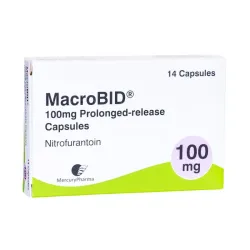
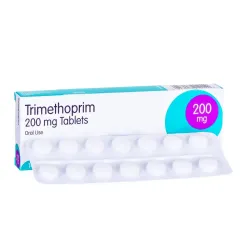



Cystitis is a bladder infection, and it's the most common type of urinary tract infection (UTI). If you've had it before, you'll know the feeling straight away: burning when you pee, and needing to go again five minutes later. Mild cystitis sometimes clears up on its own within a few days. When it doesn't, a short course of antibiotics usually sorts it out quickly. MedsRus offers nitrofurantoin and trimethoprim after a short online consultation, checked by a UK prescriber.
What is cystitis?
Cystitis means inflammation of the bladder. It's nearly always caused by bacteria from the bowel getting into the urethra (the tube you pee through) and travelling up into the bladder.
Women get it far more often than men because the urethra is much shorter, so bacteria don't have far to go. Is cystitis a UTI? Yes. It's a UTI of the bladder. Our article on cystitis vs UTI explains the difference between the terms.
Cystitis symptoms
- pain, burning or stinging when you pee;
- needing to pee more often, more urgently, or during the night;
- pee that's cloudy, dark or strong-smelling;
- pain low down in your tummy;
- feeling tired and generally unwell.
Some people have only mild symptoms, or none at all. Our article on silent bladder infections covers the signs that are easy to miss.
What causes cystitis?
Things that make it more likely include:
- sex, especially with a new partner;
- wiping from back to front after the toilet;
- not drinking enough, so you pee less often (read more about dehydration and UTIs);
- using a diaphragm for contraception;
- the menopause, when lower oestrogen changes the tissues around the urethra;
- diabetes, or not emptying your bladder fully.
Cystitis treatment options
Self-care for mild symptoms
If your symptoms are mild, it's reasonable to wait a couple of days. Many cases clear up on their own. In the meantime:
- take paracetamol for the pain;
- drink enough water to keep your pee pale;
- cut back on coffee, alcohol and fruit juice, which can irritate the bladder;
- rest, and use a hot water bottle on your tummy if it helps.
Antibiotics for UTI
If symptoms are bothering you, getting worse or still there after 2 days, antibiotics are the usual treatment. A 3-day course works for most women.
| Nitrofurantoin | Trimethoprim | |
|---|---|---|
| Usual course | 100mg modified-release, twice a day for 3 days | 200mg, twice a day for 3 days |
| How to take | With food | With or without food |
| Good to know | Usually the first choice in the UK. It can turn your pee dark yellow or brown, which is harmless. | Bacteria are more often resistant to it, so it's used when the risk of resistance is low. |
| Not suitable if | You have kidney problems | You're in the first 3 months of pregnancy, or you take certain medicines such as methotrexate |
Most people feel better within a day or two of starting treatment. Finish the course, even once you feel better.
Can a UTI heal on its own?
Sometimes, yes. Mild cystitis often settles within a few days without antibiotics. If it doesn't, or you start to feel worse, don't wait: an untreated UTI can occasionally spread to the kidneys.
Is a local pharmacy quicker?
If you're a woman aged 16 to 64 and not pregnant, you can get UTI treatment from many high street pharmacies through the NHS Pharmacy First service, usually on the same day. Ordering from us suits people who would rather not discuss it face to face, or who can't easily get to a pharmacy. Either way, the medicine is the same.
When to see a GP instead
Get an urgent GP appointment or call NHS 111 if:
- you're a man (UTIs in men need a longer course and a check-up);
- you're pregnant;
- you have pain in your back or side, just under the ribs;
- you have a high temperature, or feel hot and shivery;
- you feel sick or are being sick;
- there's blood in your pee;
- your symptoms haven't improved within 48 hours of starting treatment.
Back pain and a fever can mean the infection has reached your kidneys. Our article on kidney infection vs UTI symptoms explains the difference.
Call 999 or go to A&E if someone is confused, very drowsy or has difficulty speaking.
Recurrent cystitis
If you get cystitis twice in 6 months, or 3 times in a year, see your GP rather than ordering antibiotics again. They may test your urine, look for an underlying cause, and talk to you about preventive treatment. That might be a low-dose antibiotic, or a vaginal oestrogen cream if you've been through the menopause.
Can you prevent it?
- pee as soon as you can after sex;
- wipe from front to back;
- drink enough water through the day;
- wear cotton underwear, and avoid perfumed soaps and bubble bath.
What about cranberry juice? There's some evidence that cranberry products may help stop cystitis coming back in some women, but there's no good evidence that they treat an infection you already have. They're also high in sugar, and you shouldn't take them if you're on warfarin.
How to order cystitis treatment from MedsRus
- Answer a few questions about your symptoms, your health and any medicines you take.
- A UK prescriber reviews your answers. If antibiotics are right for you, they'll prescribe nitrofurantoin or trimethoprim. If not, we'll tell you what to do next.
- We post your treatment in plain packaging.
Our online service is for women aged 18 to 64 who aren't pregnant.
Cystitis FAQs
What is cystitis?
Cystitis is an infection of the bladder, usually caused by bacteria. It's the most common type of UTI, especially in women.
How can I get rid of cystitis fast?
For mild symptoms, painkillers, plenty of water and rest often do the job within a few days. If you need antibiotics, most women feel better within 1 to 2 days of starting them.
How long does cystitis last?
Mild cystitis often clears within 3 days. With antibiotics, symptoms usually ease within a day or two.
Can men get cystitis?
Yes, but it's less common, and it needs a GP's assessment. Men usually need a longer course of antibiotics, and the GP may want to rule out a prostate problem.
Is cranberry juice good for cystitis?
It may help prevent cystitis coming back for some women, but it won't treat an infection that's already started.
Can I drink alcohol with cystitis antibiotics?
Alcohol doesn't stop nitrofurantoin or trimethoprim working, but it can irritate your bladder, so it's best avoided until you feel better.
Why does my pee look brown on nitrofurantoin?
Nitrofurantoin can turn urine dark yellow or brown. It's harmless and goes back to normal when you finish the course.
Can I get UTI antibiotics without seeing a doctor?
Yes, if you're a woman aged 18 to 64 with typical cystitis symptoms and you're not pregnant. A UK prescriber reviews our online consultation, and NHS Pharmacy First at a local pharmacy is another option. Men, pregnant women and anyone with a fever or back pain should see a GP or call 111.
Further reading
- White blood cells in urine: what they mean
- Urine test results explained
- Back pain: is it your kidneys or a muscle?
- All women's health treatments
Sources: