




Anxiety is a normal reaction to stress, but when it's intense or doesn't go away, it can take over your life. As well as worried thoughts, anxiety causes very real physical symptoms: a pounding heart, shaking hands, sweating and a dry mouth. Some treatments work on the thoughts and feelings; others calm the physical symptoms. At MedsRus, a UK prescriber can assess whether treatment for the physical symptoms of anxiety is right for you, and point you to the support that works best for longer-term anxiety.
Symptoms of anxiety
Anxiety affects both your mind and your body.
Psychological symptoms
- feeling restless, worried or on edge;
- finding it hard to concentrate;
- feeling irritable;
- trouble sleeping (our blog on insomnia and anxiety explains the link).
Physical symptoms
- a fast, pounding or irregular heartbeat;
- shaking or trembling;
- sweating;
- feeling dizzy or short of breath;
- a dry mouth, or feeling sick.
Breathlessness from anxiety can feel like an asthma attack. Read asthma vs anxiety attack to tell them apart.
Types of anxiety
- Generalised anxiety disorder (GAD): feeling anxious about lots of different things, most days, for 6 months or more.
- Social anxiety: an intense fear of social situations or being judged.
- Panic disorder: sudden, repeated panic attacks.
- Situational or performance anxiety: anxiety tied to specific events, such as exams, interviews, presentations, performing or flying.
Anxiety treatment options
The right treatment depends on the type of anxiety and how much it affects you.
Talking therapies: the first choice for ongoing anxiety
For GAD, social anxiety and panic disorder, UK guidelines recommend talking therapies first, especially cognitive behavioural therapy (CBT). You can refer yourself to NHS Talking Therapies without seeing a GP. Self-help books and online CBT courses help many people too.
Medicines from your GP
If therapy isn't enough, a GP may prescribe a type of antidepressant called an SSRI, which treats the anxiety itself. These take several weeks to work and need regular reviews.
Beta-blockers for physical symptoms
Propranolol is a beta-blocker. It blocks the effects of adrenaline on your body, so it slows your heart rate and reduces shaking and sweating. It doesn't change anxious thoughts, and it isn't a treatment for depression, or the recommended treatment for long-term anxiety disorders.
It's most useful for:
- situational anxiety, such as an exam, a presentation, an interview or a flight;
- physical symptoms that make anxiety worse in a cycle (a racing heart that makes you more anxious).
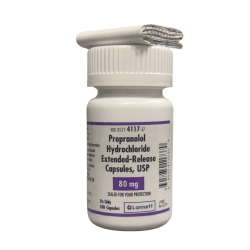
Propranolol is usually taken about an hour before a stressful event. For ongoing physical symptoms, a prescriber may suggest a regular dose or a once-daily 80mg modified-release capsule.
Who shouldn't take propranolol
Propranolol isn't suitable for everyone. It's usually avoided if you:
- have asthma or a history of wheezing, as it can cause a serious asthma attack;
- have a slow heart rate, heart block or low blood pressure;
- have poor circulation or uncontrolled heart failure;
- have had thoughts of self-harm or suicide.
If you have diabetes, it can hide the warning signs of low blood sugar. Tell the prescriber about every medicine you take.
Staying safe
Propranolol is dangerous if too much is taken. That's why our consultation asks about your mood and wellbeing, and why we may recommend a different kind of support instead. Keep it out of reach of others, and don't share it.
If you've been taking it regularly, don't stop suddenly. Your prescriber will explain how to reduce the dose.
Side effects
Common side effects include tiredness, cold hands and feet, trouble sleeping or vivid dreams, and feeling sick. Our guide to anxiety medication side effects covers these in more detail.
Self-help for anxiety
- Breathing exercises: breathe in slowly through your nose for 4 seconds, then out for 6.
- Regular exercise: even a daily walk lowers anxiety levels.
- Cut down on caffeine and alcohol, which can make anxiety worse.
- Keep a routine for sleep and meals.
- Talk to someone you trust.
Getting urgent help
If you feel you can't cope, or you're thinking about harming yourself:
- call NHS 111 and choose the mental health option;
- call Samaritans free on 116 123, any time;
- call 999 or go to A&E if your life is at risk.
How to order anxiety treatment from MedsRus
- Complete a confidential consultation about your symptoms, your health, your mood and any medicines you take.
- A UK prescriber reviews it. If propranolol is suitable, they'll approve it and explain how to take it. If it isn't, they'll explain why and suggest other support.
- We send it in discreet packaging.
We supply one pack of propranolol per month, and may decline further orders if we have concerns.
Anxiety treatment FAQs
Does propranolol help with anxiety?
It helps with the physical symptoms, such as a racing heart and shaking. It doesn't treat anxious thoughts or long-term anxiety disorders on its own.
How long does propranolol take to work?
Usually within about an hour, which is why it's taken before a stressful event.
Can I get anxiety medication online?
After a consultation, a UK prescriber can approve propranolol if it's suitable. For SSRIs and ongoing care, see your GP. Read anxiety medication online for more.
Is propranolol addictive?
No, it isn't addictive. If you take it regularly, don't stop suddenly.
Can I drink alcohol with propranolol?
Alcohol can increase the blood-pressure-lowering effect and make you dizzy. It's best to avoid it, especially when you first start.
What's the best treatment for anxiety?
For ongoing anxiety, talking therapies such as CBT are the recommended first step. Medicines can help alongside them.
Further reading
Sources: