


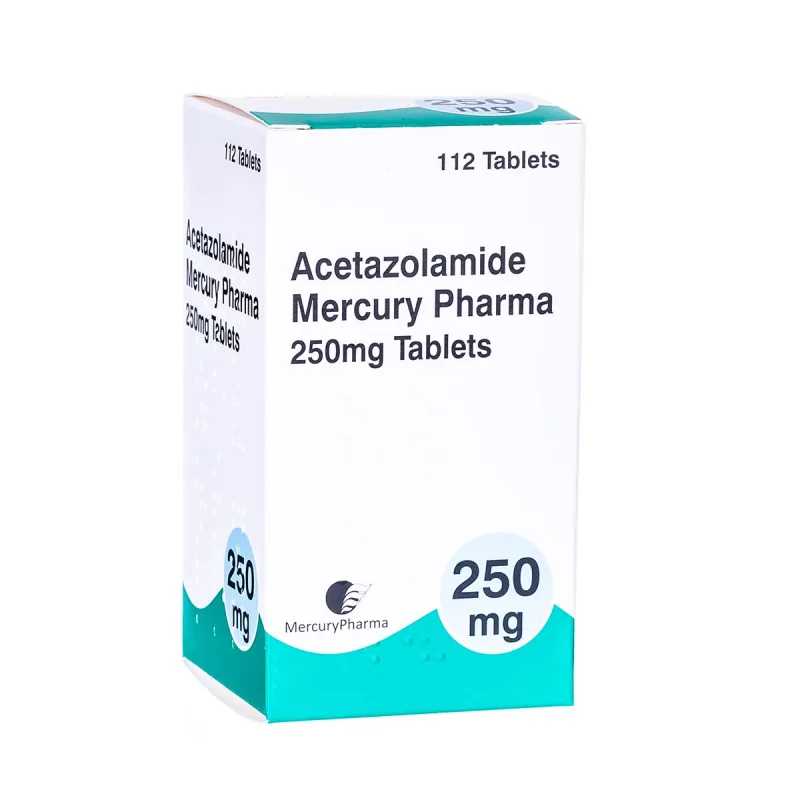
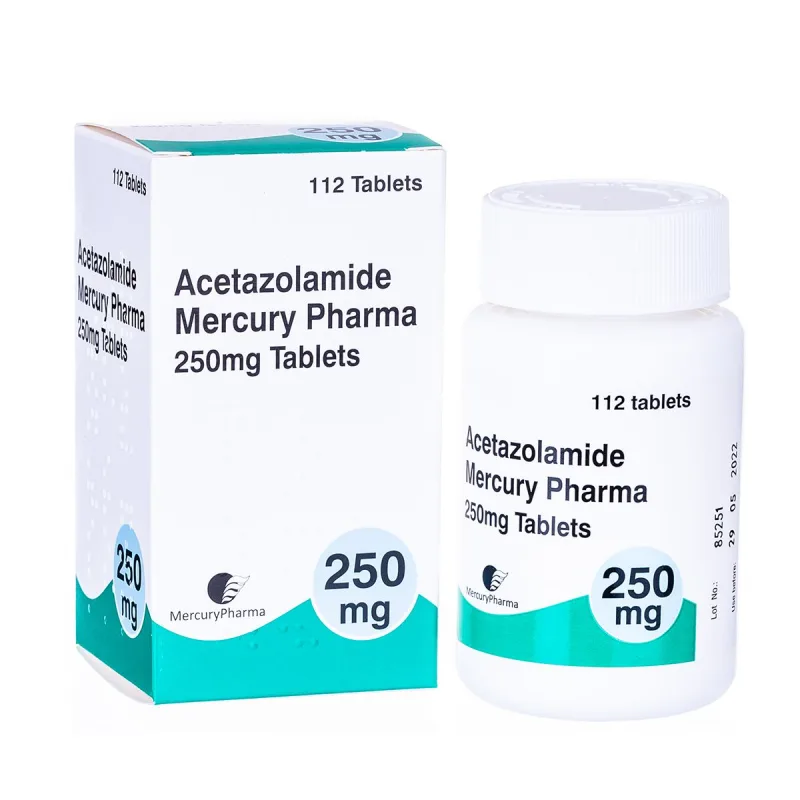
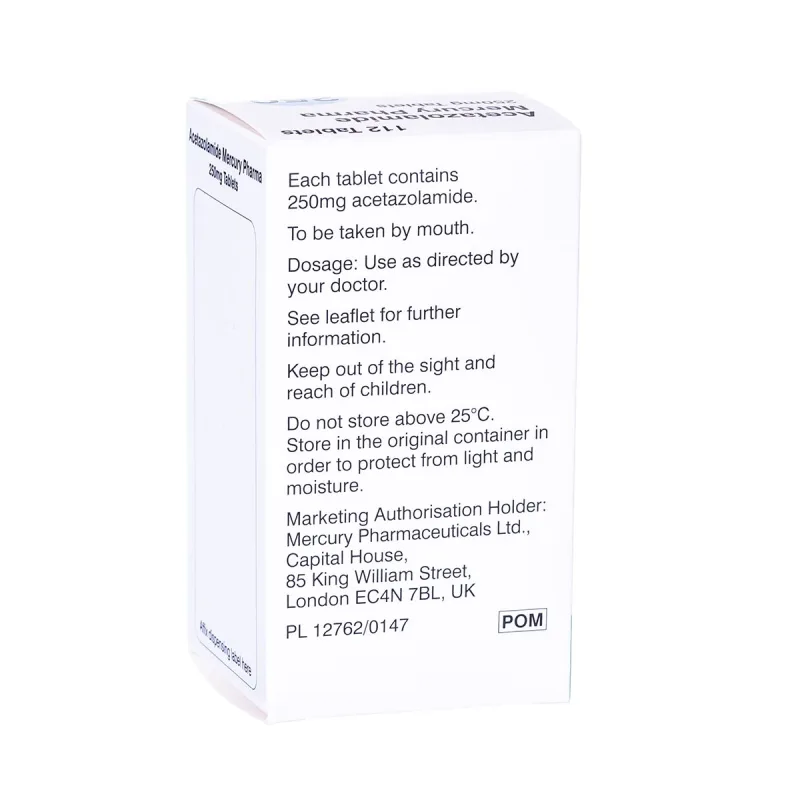
Images are for illustration only.
Acetazolamide Tablets
Acetazolamide tablets help prevent the headache, nausea and tiredness of altitude sickness on trips above about 2,500 metres when a slow ascent isn't possible. It's a prescription medicine used off-label for this purpose, and a UK prescriber reviews your consultation before it's supplied.
Free online assessment with a UK prescriber



Acetazolamide tablets are used to help prevent altitude sickness when you can't go up slowly enough for your body to adjust. Acetazolamide is licensed in the UK for other conditions, such as glaucoma, so using it for altitude sickness is "off-label". This is a long-established use that UK travel health guidance supports. At MedsRus, a UK prescriber reviews a short online consultation before supplying it.
For symptoms, safe ascent rates and when to come down, see our guide to altitude sickness.
Acetazolamide at a glance
| Details | |
|---|---|
| Type of medicine | Carbonic anhydrase inhibitor |
| Used for | Helping to prevent altitude sickness (off-label use) |
| Strength we supply | 250mg tablets |
| Usual dose | 125mg to 250mg twice a day, as your prescriber advises |
| When to start | 1 to 2 days before you go up |
| Prescription needed | Yes |
How does acetazolamide work?
The higher you go, the less oxygen you get with each breath. Your body adjusts by breathing faster and more deeply, but this takes a few days. Acetazolamide makes your blood slightly more acidic, which prompts you to breathe more deeply, so you acclimatise faster.
It isn't a substitute for a sensible ascent. Once you are above about 3,000 metres, try not to raise the height you sleep at by more than 300 to 500 metres a day, and plan a rest day every 3 to 4 days.
How to take acetazolamide
- When to start: 1 to 2 days before you start to go up.
- Dose: usually 125mg to 250mg twice a day. Your prescriber will confirm the right dose for you. For a 125mg dose, the 250mg tablet can be halved.
- How long for: keep taking it while you are going higher, and until you have spent 2 to 3 days at your highest altitude or have started to come down.
- Swallow the tablets with water, with or without food.
- Take the second dose in the early evening rather than at bedtime, because acetazolamide makes you pee more.
- Drink plenty of fluids while you are taking it.
Try it at home first. If you can, take it for a day or two before you travel. You'll find out how it affects you, and any reaction happens at home rather than on the mountain.
If you miss a dose, take it when you remember, unless it's nearly time for the next one. Don't take two doses together.
Acetazolamide doesn't replace coming down
Acetazolamide lowers the chance of altitude sickness, but it doesn't remove it, and it won't protect you from the serious forms. If you get a headache, feel sick, dizzy or unusually tired at altitude, stop climbing and rest. If your symptoms get worse, or haven't improved after 24 hours, go down.
Go down straight away and get medical help if you, or someone with you, is breathless at rest, has a cough with frothy or pink phlegm, becomes confused or clumsy, has trouble walking in a straight line, or is unusually drowsy. These can be signs of fluid on the lungs (HAPE) or on the brain (HACE), which are emergencies.
Side effects of acetazolamide
Most side effects are mild and stop when you finish the course.
Common side effects include:
- tingling or pins and needles in the fingers, toes or around the mouth (very common);
- needing to pee more often;
- fizzy drinks tasting flat or metallic;
- feeling sick or losing your appetite;
- tiredness or drowsiness;
- headache or dizziness.
Stop taking it and get medical advice straight away if you get a skin rash, blistering or peeling skin, a sore throat with a high temperature, unusual bruising, yellow skin or eyes, blood in your pee, or pain in your side or lower back.
Who shouldn't take acetazolamide?
It may not be suitable if you:
- are allergic to sulfonamides ("sulfa" medicines), such as some antibiotics;
- have kidney or liver problems;
- have low sodium or potassium levels in your blood;
- have a problem with your adrenal glands, such as Addison's disease;
- are pregnant, might be pregnant or are breastfeeding.
Medicines to check
Tell the prescriber about everything you take, especially:
- aspirin, particularly at high doses;
- other water tablets (diuretics);
- epilepsy medicines, such as phenytoin;
- lithium.
Planning a trek abroad?
Altitude is only one part of getting ready. Many treks start in areas where malaria is a risk, so check whether you need malaria tablets, and see our travel health section for the rest of your preparation.
How to get acetazolamide from MedsRus
- Complete a short consultation about your trip, your health and any medicines you take.
- A UK prescriber reviews it and, if acetazolamide is suitable, approves your order.
- We send it by tracked delivery in discreet packaging.
Allow at least a week before you travel, so you have time for delivery and to try a dose at home.
Acetazolamide FAQs
When should I start taking acetazolamide?
Usually 1 to 2 days before you start to go up. Keep taking it until you have spent 2 to 3 days at your highest altitude, or until you start to come down.
Can I take acetazolamide for Kilimanjaro?
Yes, it's often prescribed for Kilimanjaro, because most routes climb quickly to almost 5,900 metres. It works best alongside a route that allows extra days to acclimatise.
Does acetazolamide treat altitude sickness once it starts?
It's mainly used to prevent it. If you get symptoms, stop going higher and rest. If they get worse or don't improve, go down. Descending is the most important treatment.
Why do my fingers tingle on acetazolamide?
Tingling in the fingers, toes or around the mouth is a very common side effect. It isn't usually a cause for concern and wears off after you finish the course. Speak to a pharmacist if it bothers you.
Can I drink alcohol with acetazolamide?
It's best to avoid alcohol at altitude, especially in the first few days. It can make altitude sickness worse and adds to the dehydration and tiredness acetazolamide can cause.
Sources: