





Thrush is a yeast infection, and almost every woman gets it at some point. It's itchy, sore and annoying, but it isn't serious, and it usually clears within a week of treatment. A single fluconazole capsule is often all you need, with a cream to soothe the itching while it works. At MedsRus you can request fluconazole thrush tablets through a short online consultation, checked by a UK prescriber.
What is thrush?
Thrush is caused by a yeast called Candida. It lives on the skin and inside the vagina of most women without causing any problems. Thrush happens when it grows more than usual.
It isn't a sexually transmitted infection, although sex can sometimes trigger it or pass it on.
Thrush symptoms
- itching and irritation around the vagina and vulva;
- soreness and stinging, especially when you pee or have sex;
- white discharge that's often thick, like cottage cheese, and doesn't usually smell;
- redness or swelling of the vulva.
If your discharge is thin and has a strong fishy smell, it's more likely to be BV than thrush, and BV treatment is different. If you're not sure, our guide to BV or thrush goes through the differences.
What causes thrush?
Anything that upsets the balance in the vagina can let the yeast grow. Common triggers are:
- antibiotics, which kill the "good" bacteria that keep yeast in check;
- pregnancy, and other hormonal changes, including some contraceptives and HRT;
- diabetes, especially if your blood sugar isn't well controlled;
- a weakened immune system;
- perfumed soaps, shower gels and vaginal washes;
- tight or non-breathable underwear.
Our article on what causes a yeast infection goes into more detail.
How to treat thrush
Thrush tablets (fluconazole)
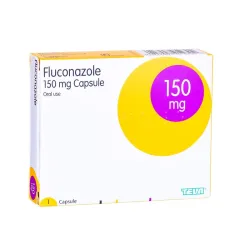
Fluconazole is an antifungal medicine you swallow. One 150mg capsule, taken once, is usually enough. It works from the inside, so you don't need to insert anything. Symptoms normally start to improve within a day or two and clear within a week.
Thrush cream
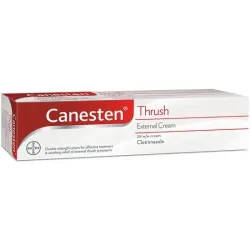
A cream such as Canesten external thrush cream (clotrimazole) eases itching and soreness on the outside while the tablet works. Many women use both. Apply it two or three times a day until the symptoms go.
Pessaries
A pessary is a tablet you put into your vagina. It's a good choice if you can't take fluconazole, for example during pregnancy.
Tablet, cream or both?
If the itching on the outside is the worst part, a cream gives the quickest relief. If the discharge and soreness inside are bothering you, a tablet or pessary treats the infection where it is. Plenty of women use a tablet and a cream together for the first few days, and that's fine. What matters most is that you use the treatment properly: take the whole dose, and keep using the cream until the symptoms have gone, not just until they ease.
Does thrush go away on its own?
Mild thrush sometimes does. But treatment is cheap, simple and works quickly, so most people would rather not wait.
Fluconazole side effects
Fluconazole is usually well tolerated. Some people get:
- a headache;
- feeling sick, tummy pain or diarrhoea;
- a rash.
Get help straight away if you have signs of a serious allergic reaction, such as swelling of the face or throat, or difficulty breathing.
When thrush tablets aren't suitable
Our consultation checks for these. Fluconazole may not be right for you if:
- you're pregnant, trying for a baby, or breastfeeding;
- you're under 18 or over 65;
- you have liver or kidney problems, or a heart rhythm problem;
- you take certain medicines, including some for heart rhythm, cholesterol (statins) or blood thinning (warfarin).
See a GP or sexual health clinic if this is your first time with these symptoms, if they haven't cleared within 7 to 14 days, or if you have unusual bleeding, sores or blisters, or pain in your lower tummy.
Recurrent thrush
If you get thrush 4 or more times in a year, it's called recurrent thrush. It's worth seeing your GP to rule out things like diabetes, and to talk about a longer course of treatment. Thrush in pregnancy is also common; our guide to yeast infections and pregnancy covers what's safe.
Ways to lower your chances of thrush
- wash with water and a plain, unperfumed emollient instead of soap;
- dry the area well after washing or swimming;
- wear cotton underwear, and avoid tight clothes;
- change out of wet swimwear or gym kit quickly;
- don't douche or use vaginal deodorants.
Oral thrush
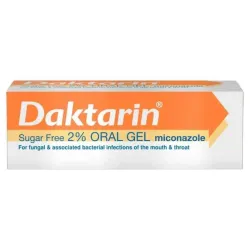
Thrush can also affect the mouth, causing white patches and a sore, cracked feeling. Daktarin sugar-free oral gel treats it, but it isn't suitable if you take warfarin. For babies, see our guide to thrush in a baby's mouth.
How to order thrush treatment from MedsRus
- Answer a few questions about your symptoms, health and medicines.
- A UK prescriber checks your answers and approves treatment if it's suitable.
- We dispense and post it in plain packaging.
Thrush FAQs
What is thrush?
A common yeast infection caused by Candida. In women it causes itching, soreness and thick white discharge.
Is thrush contagious?
It isn't an STI, but it can occasionally pass between partners during sex. Partners only need treatment if they have symptoms.
Can antibiotics cause thrush?
Yes. Antibiotics kill the bacteria that normally keep yeast under control, so thrush often follows a course of antibiotics.
How quickly does fluconazole work?
Most women feel better within 1 to 3 days. It can take up to a week for symptoms to clear completely.
Can I have sex with thrush?
It's best to wait until it's cleared, as sex can be painful and may make soreness worse. Some thrush creams can also weaken condoms.
Can men get thrush?
Yes. Men can get thrush on the head of the penis. See our thrush treatment for men.
Can I get fluconazole over the counter?
Pharmacies can sell fluconazole 150mg to women aged 16 to 60 after a few checks. MedsRus supplies it to adults aged 18 to 65, after a prescriber reviews your consultation.
How long does thrush last?
With treatment, symptoms usually start to improve within a few days and clear within a week. If they haven't cleared within 7 to 14 days, see a GP or sexual health clinic.
Further reading
Sources: