


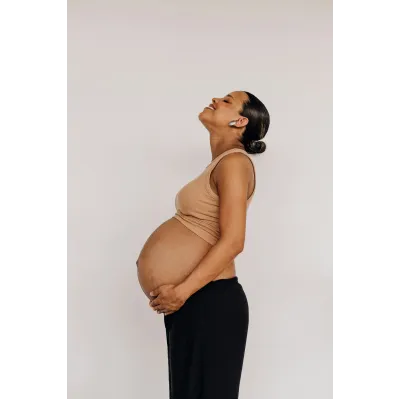
Recognizing early signs of pregnancy with PCOS can feel like solving a puzzle with missing pieces. Women with polycystic ovary syndrome often experience symptoms that overlap with both their condition and early pregnancy, making it difficult to know what's happening in their bodies.
The irregular periods and hormonal fluctuations that come with PCOS mean that typical pregnancy indicators might show up differently or be easily dismissed as just another PCOS symptom.
Related: What Causes a Yeast Infection?
How PCOS Affects Early Pregnancy Detection
Why PCOS Makes Early Signs Less Obvious
PCOS creates a challenging environment for detecting early signs of pregnancy with PCOS because the condition itself produces many pregnancy-like symptoms. The hormonal imbalances inherent to PCOS can cause breast tenderness, fatigue, and mood changes even when you're not pregnant.
This overlap means you might not recognize genuine pregnancy symptoms when they occur. Your body's baseline already includes many sensations that would typically signal conception in women without PCOS.
The Role of Irregular Periods in Delayed Recognition
Women with PCOS often go weeks or months without a period, which eliminates one of the most reliable early pregnancy indicators. When your cycle is unpredictable, a missed period doesn't carry the same significance it would for someone with regular menstruation.
This irregularity can delay pregnancy recognition by several weeks or even months. Many women with PCOS only discover they're pregnant after other symptoms become undeniable or they take a test for unrelated reasons.
Hormonal Imbalances That Mimic Pregnancy Symptoms
The elevated androgens and insulin resistance associated with PCOS can produce symptoms remarkably similar to early pregnancy. Bloating, weight fluctuations, and digestive changes are common in both conditions.
PCOS affects how your ovaries work and can impact multiple body systems. These widespread effects make it particularly difficult to distinguish between your normal PCOS experience and new pregnancy-related changes.
Common Early Signs of Pregnancy with PCOS

Breast Tenderness and Sensitivity
Your breasts may become noticeably more tender and sensitive to touch during early pregnancy. While PCOS can cause some breast discomfort, pregnancy-related tenderness is often more pronounced and persistent.
The sensitivity might make wearing a bra uncomfortable or cause pain when rolling over in bed. This symptom typically appears within the first few weeks after conception as hormone levels rise rapidly.
Nausea and Morning Sickness
Nausea is less commonly associated with PCOS alone, making it a more reliable indicator of pregnancy. Morning sickness can strike at any time of day and may be triggered by certain smells or foods.
This queasy feeling often begins around week six of pregnancy but can start earlier for some women. The intensity varies widely, from mild occasional nausea to severe vomiting that interferes with daily activities.
Increased Fatigue and Exhaustion
Pregnancy fatigue goes beyond the tiredness that PCOS might cause. You may feel completely drained even after a full night's sleep, struggling to complete normal daily tasks.
This exhaustion stems from your body working overtime to support a developing embryo. Progesterone levels surge during early pregnancy, contributing to overwhelming sleepiness that can hit without warning.
Frequent Urination
Needing to urinate more often than usual, especially at night, can signal early pregnancy. This happens as your kidneys process increased blood volume and your uterus begins to expand.
You might find yourself waking multiple times during the night or making frequent bathroom trips throughout the day. This symptom can appear surprisingly early, sometimes before you've even missed a period.
Food Aversions and Cravings
Sudden changes in your relationship with food often accompany early pregnancy. Foods you normally enjoy might suddenly seem repulsive, while you develop intense cravings for unusual combinations.
These shifts in taste and smell sensitivity are driven by hormonal changes. You might find yourself unable to tolerate coffee, meat, or other strong-smelling foods that previously didn't bother you.
PCOS Symptoms vs. Early Pregnancy Symptoms
Cramping: PCOS or Implantation?
Cramping with PCOS typically feels similar to menstrual cramps and can occur randomly throughout your cycle. Implantation cramping, which happens when a fertilized egg attaches to the uterine lining, is usually milder and more localized.
Implantation symptoms with PCOS can be particularly confusing because both conditions cause pelvic discomfort. The timing can provide clues — implantation typically occurs 6-12 days after conception, while PCOS cramping has no predictable pattern.
Bloating and Weight Changes
Both PCOS and early pregnancy cause bloating and weight fluctuations, making this symptom nearly impossible to use as a reliable indicator. PCOS-related bloating tends to be cyclical and may worsen around when you would normally menstruate.
Pregnancy bloating often feels different — more persistent and accompanied by a feeling of fullness. However, without other confirming symptoms, bloating alone shouldn't be interpreted as a pregnancy sign.
Mood Swings and Emotional Fluctuations
PCOS commonly causes mood changes due to hormonal imbalances and insulin resistance. Pregnancy hormones create their own emotional roller coaster, with sudden tearfulness, irritability, or anxiety.
The intensity of pregnancy-related mood swings often exceeds what you typically experience with PCOS alone. You might find yourself crying at commercials or feeling irrationally angry about minor inconveniences.
Early Signs of Pregnancy with PCOS: When to Take a Pregnancy Test with PCOS
.webp)
Best Timing for Accurate Results
With irregular periods, timing a pregnancy test becomes more complex. The general advice to wait until after a missed period doesn't apply when you don't have regular cycles.
Your best approach is to wait at least two weeks after you last had unprotected intercourse. This gives your body enough time to produce detectable levels of pregnancy hormone (hCG) if conception occurred.
Understanding False Negatives with PCOS
False negative pregnancy tests are more common in women with PCOS, particularly when testing early. Your irregular ovulation means you might conceive later in your cycle than expected, making hCG levels too low to detect initially.
Testing too early can lead to disappointment or false reassurance. If you get a negative result but still suspect pregnancy based on PCOS pregnancy symptoms, wait a few days and test again with first-morning urine when hCG concentrations are highest.
Blood Tests vs. Home Pregnancy Tests
Blood tests ordered by your doctor can detect pregnancy earlier and more accurately than home tests. These tests measure the exact amount of hCG in your bloodstream rather than simply indicating presence or absence.
For women with PCOS who have difficulty determining when they ovulated, blood tests eliminate much of the guesswork. Blood tests can detect pregnancy about 6-8 days after ovulation, several days before most home tests.
A quantitative blood test can also help track whether your pregnancy is progressing normally through repeat measurements. This is particularly valuable for women with PCOS who may face higher risks of early pregnancy complications.
Early Signs of Pregnancy with PCOS: Get Support for Your PCOS Journey with MedsRUs
Early pregnancy signs with PCOS require comprehensive support and reliable medical guidance. At MedsRUs, our team understands the unique challenges women with PCOS face when monitoring their reproductive health.
Our convenient online consultations connect you with experienced clinicians who can provide personalized advice about PCOS pregnancy symptoms and help you determine the best next steps. Whether you need guidance on testing timing, symptom evaluation, or general PCOS management, our accessible services put expert care within easy reach.
Visit MedsRUs to schedule a consultation and get the clarity you need about your symptoms. We offer fast, confidential support tailored to your individual situation, helping you navigate the complexities of PCOS and pregnancy detection with confidence.