





Hay fever is an allergy to pollen, and it affects millions of people in the UK every year. Sneezing, a runny or blocked nose and itchy, watery eyes can make spring and summer miserable, but the right combination of treatment usually brings it under control. MedsRus offers antihistamine tablets, steroid nasal sprays and eye drops, including prescription-strength nasal sprays for hay fever that over-the-counter remedies haven't helped. The same tablets and sprays also help with year-round allergies to dust mites and pets.
Hay fever symptoms
- sneezing and coughing;
- a runny or blocked nose;
- itchy, red or watery eyes;
- an itchy throat, mouth, nose or ears;
- loss of smell;
- headache and tiredness;
- pain around your temples and forehead.
If you have asthma, hay fever can make it worse, with tight chest, wheezing or breathlessness.
Is it hay fever or a cold? Hay fever doesn't cause a high temperature or aches. It lasts for weeks rather than days, and your eyes itch. Our guide to hay fever vs cold symptoms covers the differences.
When is hay fever season?
It depends on which pollen you react to:
- tree pollen: late March to mid-May;
- grass pollen: mid-May to July, the most common trigger in the UK;
- weed pollen: late June to September.
Knowing your season means you can start treatment before symptoms kick in, which works much better than waiting.
Hay fever treatment options
Antihistamine tablets
Antihistamines block histamine, the chemical your body releases when it reacts to pollen. They're good for sneezing, itching and a runny nose, and they work within an hour or so.
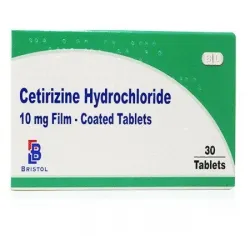
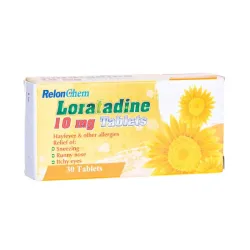
- Cetirizine and loratadine are once-a-day tablets. They're described as non-drowsy, but cetirizine makes some people sleepy.
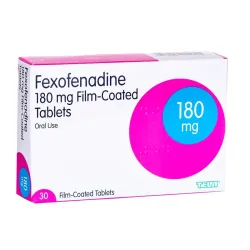
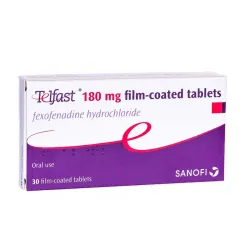
- Fexofenadine (also sold as Telfast) is a once-a-day tablet that is less likely to cause drowsiness. The 120mg strength is sold in pharmacies, and the 180mg strength needs a prescription.
Cetirizine vs loratadine? Both work well for most people. If one doesn't help, or makes you drowsy, it's worth trying another. People respond differently.
Steroid nasal sprays
If a blocked nose is your main problem, a steroid nasal spray is usually the most effective treatment. It calms the inflammation inside your nose.
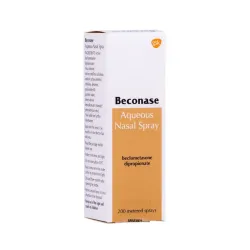
- Beconase is available from pharmacies.
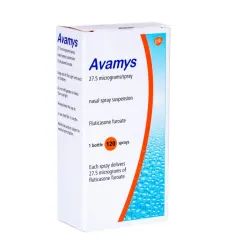
- Avamys is a once-daily prescription spray.
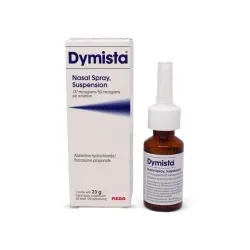
- Dymista combines a steroid with an antihistamine (azelastine) in one spray, for moderate to severe hay fever.
Steroid sprays take a few days to work fully, so start them 1 to 2 weeks before your season and use them every day.
Antihistamine nasal spray
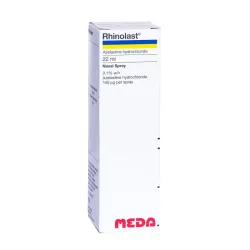
Rhinolast (azelastine) works within about 15 minutes, which makes it useful for sudden flare-ups.
Eye drops
For itchy, watery eyes:
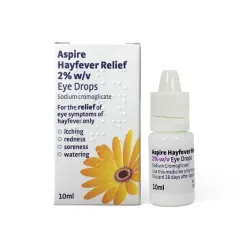
- sodium cromoglicate eye drops help prevent symptoms if you use them regularly;
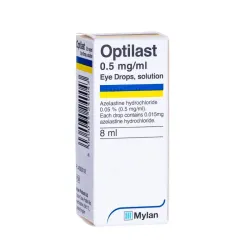
- Optilast (azelastine) gives quicker relief.
Which hay fever treatment is best?
It depends on your worst symptoms:
- Mainly sneezing and itching? Start with an antihistamine tablet.
- Mainly a blocked nose? Use a steroid nasal spray every day.
- Itchy eyes? Add eye drops.
- Still struggling? Combining a tablet with a spray, or switching to a prescription spray such as Dymista, often helps.
A steroid injection (Kenalog) isn't recommended for hay fever, because of its side effects.
Reducing your exposure to pollen
- check the pollen forecast and keep windows shut on high-pollen days;
- put Vaseline around your nostrils to trap pollen;
- wear wraparound sunglasses;
- shower and change your clothes after being outside;
- dry washing indoors;
- don't cut grass or walk on grass if you can avoid it.
Hay fever and asthma
Pollen is a common asthma trigger, and lots of people with asthma also have hay fever. Treating your hay fever properly, especially with a daily steroid nasal spray, can help keep your asthma calmer too. Keep your reliever inhaler with you during the pollen season. If you need it more than usual, or wake at night with a cough or wheeze, speak to your GP or asthma nurse. You can find reliever inhalers in our asthma section.
Hay fever in pregnancy
Some hay fever treatments are suitable in pregnancy and some aren't. Saline nasal sprays, avoiding pollen and some antihistamines are often the first choice, but always check with a pharmacist, GP or midwife before taking anything.
When to see a GP
See your GP if your symptoms don't improve with treatment, if you have wheezing or a tight chest, or if you're pregnant or breastfeeding and need advice on what's safe. If treatment isn't working, your GP may refer you for immunotherapy, a longer-term treatment that can make you less sensitive to pollen.
How to order hay fever treatment from MedsRus
- Answer a few questions about your symptoms, your health and any medicines you take.
- A UK prescriber reviews them for prescription treatments. Pharmacy medicines are checked by our pharmacist.
- We send it to you in discreet packaging, ready for the season.
Hay fever FAQs
What is the strongest antihistamine in the UK?
There isn't a simple "strongest". Fexofenadine 180mg is a prescription-strength option that's less likely to cause drowsiness. Many people do best by combining a tablet with a steroid nasal spray.
Can I take antihistamines every day?
Yes. Non-drowsy antihistamines are usually fine to take daily throughout your hay fever season.
Can I use a nasal spray and tablets together?
Yes, they work in different ways, and combining them is common for moderate to severe hay fever.
How long do steroid nasal sprays take to work?
They start working within a few hours, but take several days to a couple of weeks for the full effect.
Can hay fever be cured?
Not completely, but symptoms can be well controlled. Immunotherapy, through a specialist, can reduce sensitivity over several years.
Is fexofenadine better than cetirizine?
Both work well. Fexofenadine is less likely to make you drowsy, so some people prefer it for work or driving. Cetirizine usually costs less and works a little faster for some people. If one doesn't suit you, try the other.
Can children take hay fever tablets?
Some antihistamines are suitable for children, depending on age. Our consultation is for adults, so ask a pharmacist or GP about children.
Further reading
Sources: