




Acne is one of the most common skin conditions in the UK. It isn't just a teenage problem: plenty of people get it in their twenties, thirties and beyond. The good news is that modern prescription treatments work for most people, as long as you give them time. MedsRus offers prescription acne gels and creams, plus lymecycline tablets for more stubborn acne, after an online consultation with a UK prescriber.
What causes acne?
Acne starts in the hair follicles. Your skin makes an oil called sebum. When too much of it mixes with dead skin cells, the follicle gets blocked. Bacteria that normally live on the skin can then grow in the blocked pore, causing redness and inflammation.
Things that play a part include:
- hormones: acne often flares in the teenage years, around periods, in pregnancy and with polycystic ovary syndrome (PCOS);
- genes: if your parents had acne, you're more likely to;
- some medicines, and heavy, oily make-up or skincare.
Acne isn't caused by poor hygiene, and scrubbing your face harder usually makes it worse.
Types of spots
- Blackheads and whiteheads: blocked pores without much redness.
- Papules and pustules: red bumps, or spots with a yellow-white head.
- Nodules and cysts: large, painful lumps under the skin. These are more likely to scar, so they need treating early, usually by a GP or dermatologist.
Acne treatment options
Combination gels: usually the first choice
For mild to moderate acne, UK guidelines recommend a 12-week course of a gel that combines two ingredients working in different ways:
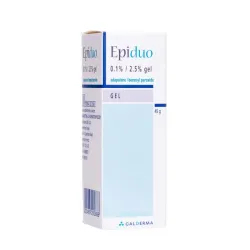
- Epiduo (adapalene with benzoyl peroxide), which unblocks pores and kills bacteria;
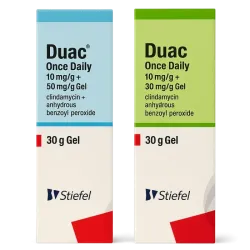
- Duac (clindamycin with benzoyl peroxide), an antibiotic and antibacterial combination;
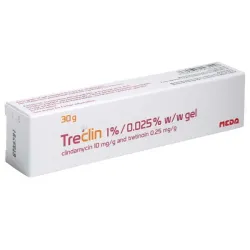
- Treclin (tretinoin with clindamycin), a retinoid with an antibiotic.
Use them once a day, usually in the evening, on all the areas where you get spots, not just on individual spots.
Azelaic acid
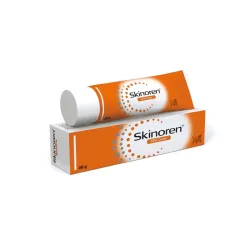
Skinoren cream (azelaic acid 20%) is gentler on sensitive skin and can help fade the dark marks acne leaves behind. A lower-strength gel, Finacea, is mainly used for rosacea.
Comparing acne gels
| Epiduo | Duac | Treclin | Skinoren | |
|---|---|---|---|---|
| Contains | Adapalene and benzoyl peroxide | Clindamycin and benzoyl peroxide | Tretinoin and clindamycin | Azelaic acid 20% |
| Best for | Blackheads, whiteheads and red spots | Mainly red, inflamed spots | Blackheads and red spots | Sensitive skin and dark marks |
| In pregnancy | Not suitable | Ask the prescriber | Not suitable | Can be used if the prescriber agrees |
| Common side effects | Dryness, redness, stinging; bleaches fabric | Dryness, peeling; bleaches fabric | Dryness, peeling, sun sensitivity | Mild stinging or itching at first |
Tablets for moderate to severe acne
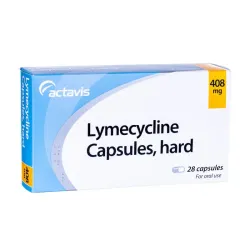
If you have a lot of inflamed spots, or acne on your back and chest, an antibiotic tablet such as lymecycline may be added to a gel for a few months.
- Lymecycline is usually one capsule a day.
- It's always used with a topical treatment, never on its own, to reduce the risk of antibiotic resistance.
- A course is usually reviewed after 12 weeks, and it isn't normally continued for longer than 6 months.
Hormonal acne treatment
If your acne flares around your period or is linked to PCOS, some types of contraceptive pill can help. This is a conversation to have with your GP or a sexual health clinic, alongside the treatments above.
When you need a specialist
For severe acne, cysts, or acne that's scarring or hasn't improved after two courses of treatment, your GP can refer you to a dermatologist, who may prescribe isotretinoin.
How long does acne treatment take?
This is where most people give up too early. Acne treatments take 6 to 8 weeks to start making a noticeable difference, and the full effect takes about 12 weeks. Your skin may also feel dry or irritated, or look a little worse, in the first couple of weeks. That usually settles.
Once your skin is clear, carrying on with a gel a few times a week can help stop the acne coming back.
Side effects and tips
- Dryness, redness and peeling are common at first. Start every other night if your skin is sensitive, and use a light, non-greasy moisturiser.
- Benzoyl peroxide bleaches fabric. Use white pillowcases and towels, and wash your hands after applying it.
- Some acne treatments make your skin more sensitive to the sun, so use SPF 30 or above.
- Retinoid gels (Epiduo, Treclin) aren't suitable in pregnancy or if you're trying to get pregnant.
Everyday skincare that helps
- wash your face twice a day with a mild cleanser and lukewarm water;
- choose products labelled "non-comedogenic";
- don't squeeze or pick spots, as this can cause scarring;
- take off make-up before bed.
How to order acne treatment from MedsRus
- Answer a few questions about your skin, your health and any medicines you take. You may be asked for a photo.
- A UK prescriber reviews them and recommends a suitable treatment.
- We post it to you in discreet packaging, and you can reorder when you need to.
Acne FAQs
What's the best acne treatment?
There's no single best one. For most people, a combination gel used every day for 12 weeks is the most effective starting point. Moderate to severe acne may need an antibiotic tablet too.
How can I get rid of acne fast?
There's no overnight fix, but starting a prescription treatment early and using it every day gets the quickest results, usually within 6 to 8 weeks.
What is the best treatment for hormonal acne?
The same gels work for hormonal acne. Some women also benefit from a contraceptive pill, which a GP can prescribe.
Can I use acne cream with make-up?
Yes. Apply your treatment at night, and use oil-free, non-comedogenic make-up during the day.
Why is my acne worse after starting treatment?
Some people get a short flare or extra dryness in the first few weeks. Keep going unless it's severe, and speak to us if you're worried.
Do I need to see a GP?
Not usually. For the gels, creams and tablets we offer, a UK prescriber reviews your online consultation instead. See your GP if you have painful cysts, scarring, acne that's affecting your mood, or acne that hasn't improved after two courses of treatment.
Further reading
- Hormonal acne: causes and treatments
- Lymecycline for acne: what to expect
- How long acne gels and tablets take to work
- Skin care products
- All chronic condition treatments
Sources: