


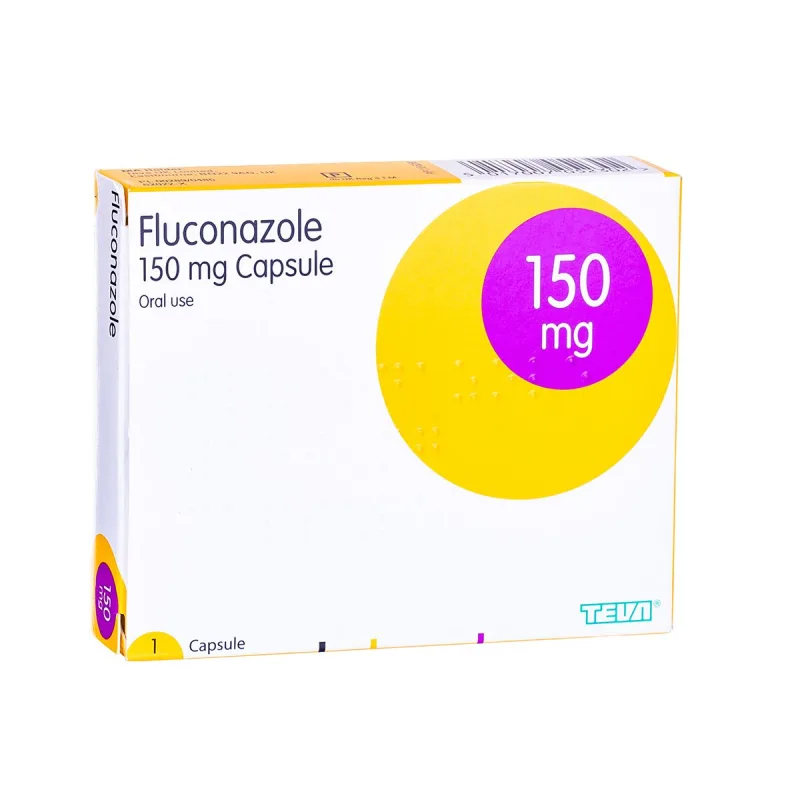
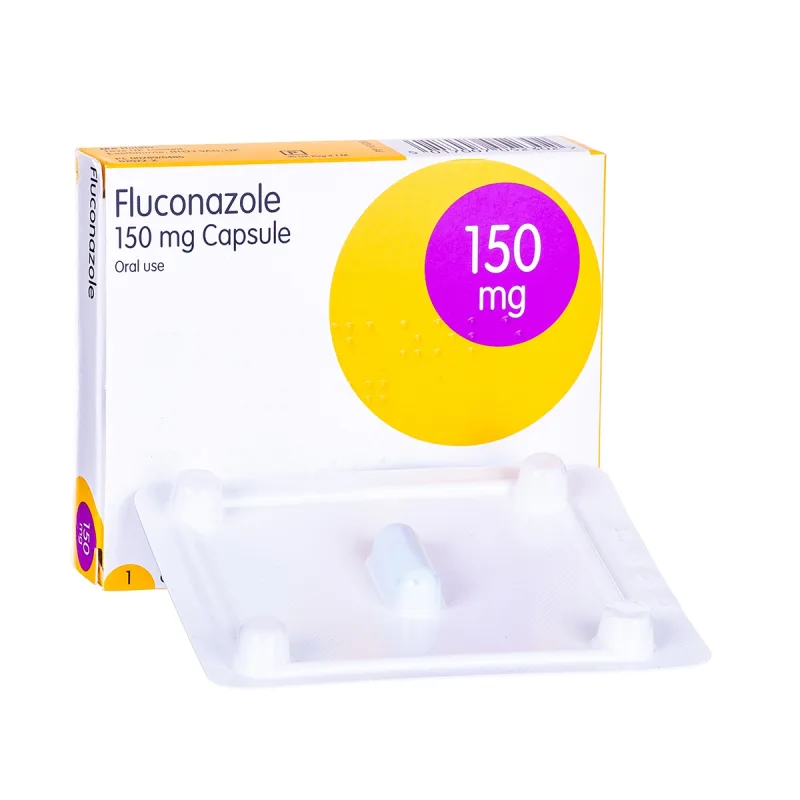
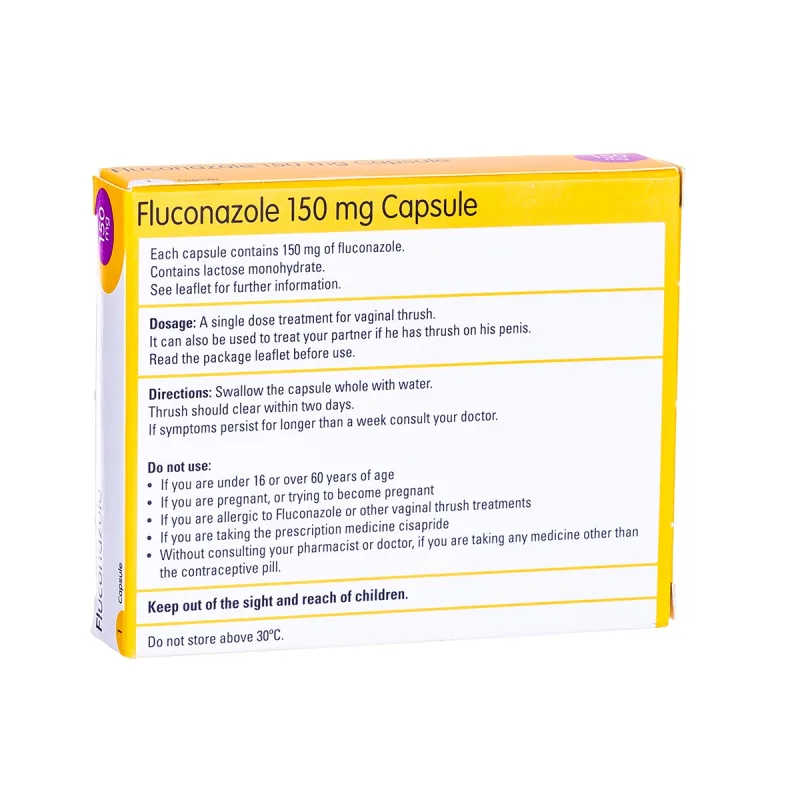
Images are for illustration only.
Fluconazole 150mg Capsule for Thrush (Men and Women)
Fluconazole 150mg is a single-dose capsule for vaginal and penile thrush. Symptoms usually improve within 3 days. A pharmacy medicine for ages 16 to 60, supplied after a few questions.
Free online assessment with a UK prescriber



Fluconazole 150mg is a single-dose capsule for thrush, a common yeast infection that can affect both women and men. One capsule is usually enough, and symptoms normally improve within 3 days. It's a pharmacy medicine: you don't need a prescription, but our pharmacist checks a few questions to make sure it's right for you.
Fluconazole at a glance
| Details | |
|---|---|
| Active ingredient | Fluconazole 150mg |
| Used for | Vaginal thrush and thrush on the penis (genital candidiasis) |
| Dose | One capsule, once |
| When it works | Symptoms usually improve in 1 to 3 days and clear within 7 |
| Who for | Adults aged 16 to 60 |
| Not for | Pregnancy or breastfeeding |
| Contains | Lactose |
| Supply | Pharmacy medicine, checked by our pharmacist |
What is thrush?
Thrush is caused by a yeast called Candida that normally lives harmlessly on the skin. It isn't a sexually transmitted infection, although it can sometimes pass between partners.
- In women: itching and soreness around the vagina, pain during sex or when peeing, and a white discharge, often thick like cottage cheese.
- In men: redness, irritation or itching on the head of the penis or under the foreskin, a white discharge, and difficulty pulling back the foreskin.
Read more on our pages about thrush treatment for women and thrush treatment for men. Not sure if it's thrush or bacterial vaginosis? See our guide to BV or thrush.
How does fluconazole work?
Fluconazole is an antifungal medicine. It stops the Candida yeast from making the parts of its cell walls it needs to grow, so the infection clears and the skin can heal.
How to take fluconazole
- Swallow one capsule whole with a glass of water.
- You can take it at any time of day, with or without food.
- One capsule treats the infection. Don't take a second one unless a pharmacist or doctor tells you to.
If your symptoms haven't gone after 7 days, or they come back, speak to our pharmacist or your GP. If you get thrush more than twice in 6 months, see your GP: you may need tests or a longer treatment.
Capsule, cream or both?
The capsule treats the infection; a cream like Canesten external thrush cream soothes the itch outside. Many people use both.
Side effects of fluconazole
Most people have no side effects. The most common are:
- headache;
- feeling sick, tummy pain or diarrhoea;
- a rash.
Less common side effects include indigestion, wind, dizziness, trouble sleeping, tiredness and changes in taste. Rarely, fluconazole can cause a serious allergic reaction or liver problems. Get urgent help if you have swelling of the face, lips or throat, difficulty breathing, a severe rash, or yellowing of your skin or eyes.
Who shouldn't take fluconazole?
Don't take fluconazole if you're pregnant, might be pregnant or are breastfeeding. A clotrimazole pessary or cream is the usual choice in pregnancy: speak to a pharmacist or midwife. Don't take it if you're allergic to fluconazole or other antifungal medicines.
Tell us about any medicines you take, especially warfarin or another blood thinner, a statin (such as simvastatin or atorvastatin), diabetes tablets (such as gliclazide), phenytoin, ciclosporin, erythromycin, some heart rhythm medicines (such as amiodarone) or some mental health medicines (such as pimozide).
Speak to our pharmacist or your GP first if:
- you're under 16 or over 60;
- you've had thrush more than twice in the last 6 months;
- you have liver or kidney problems, heart problems, or low levels of potassium, magnesium or calcium;
- you have a long-term illness that affects your immune system, or diabetes;
- you or your partner might have a sexually transmitted infection;
- you have an intolerance to some sugars (the capsule contains lactose);
- you're not sure it's thrush.
See a GP or sexual health clinic instead if:
- you're a woman with lower tummy pain, pain when peeing, blood-stained discharge, abnormal bleeding, or ulcers or sores around the vagina;
- you're a man with pain when peeing, ulcers, sores or blisters on the penis, or an unusual smell or discharge, especially if your partner doesn't have thrush.
Stopping thrush coming back
- Wash with water and a plain, unperfumed emollient instead of soap, and dry gently.
- Wear cotton underwear and loose clothing; avoid tight nylon underwear and tights.
- Avoid perfumed soaps, shower gels, vaginal deodorants and douches.
- After going to the toilet, wipe from front to back.
- Change pads and tampons regularly.
- Don't scratch, as it can damage the skin.
How to get fluconazole from MedsRus
- Answer a few questions about your symptoms, your health and any medicines you take.
- Our pharmacist checks your answers and, if fluconazole is suitable, approves your order.
- We send it in discreet packaging.
Fluconazole FAQs
How quickly does fluconazole work?
Symptoms usually start to improve within 1 to 3 days and should clear within 7 days. If they haven't gone after 7 days, speak to our pharmacist or your GP.
Can men take fluconazole for thrush?
Yes. Fluconazole 150mg treats thrush on the penis as well as vaginal thrush. See our page on thrush in men for symptoms and causes.
Can I take fluconazole while on my period?
Yes. The capsule is swallowed, so your period doesn't affect it.
Can I drink alcohol with fluconazole?
Yes, drinking alcohol in moderation won't stop fluconazole working.
Can I take fluconazole while pregnant?
No. Don't take fluconazole if you're pregnant, might be pregnant or are breastfeeding. A clotrimazole pessary or cream is the usual choice in pregnancy: speak to a pharmacist or midwife.
Fluconazole or Canesten: which is better?
Both work well for most people. Fluconazole is a single capsule you swallow; Canesten (clotrimazole) is a pessary or cream used directly on the area. Many people use the capsule with an external cream to soothe the itch.
Sources: