


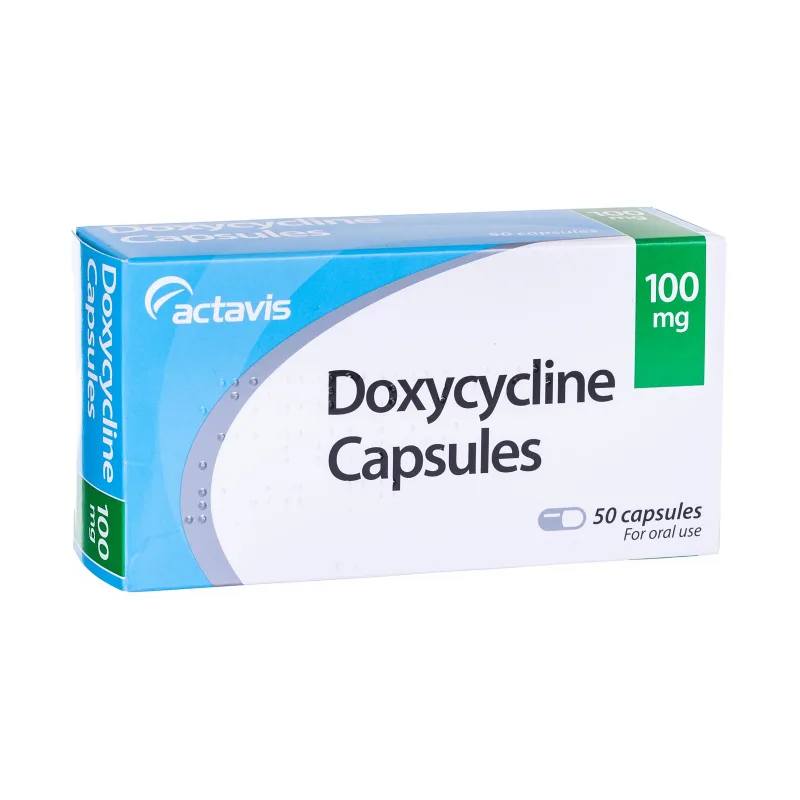
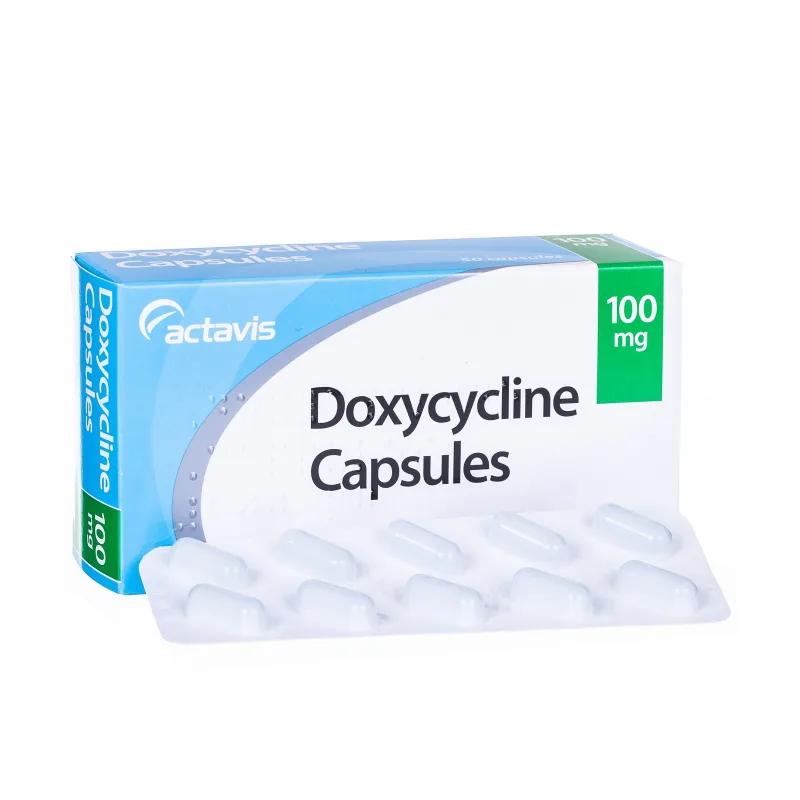
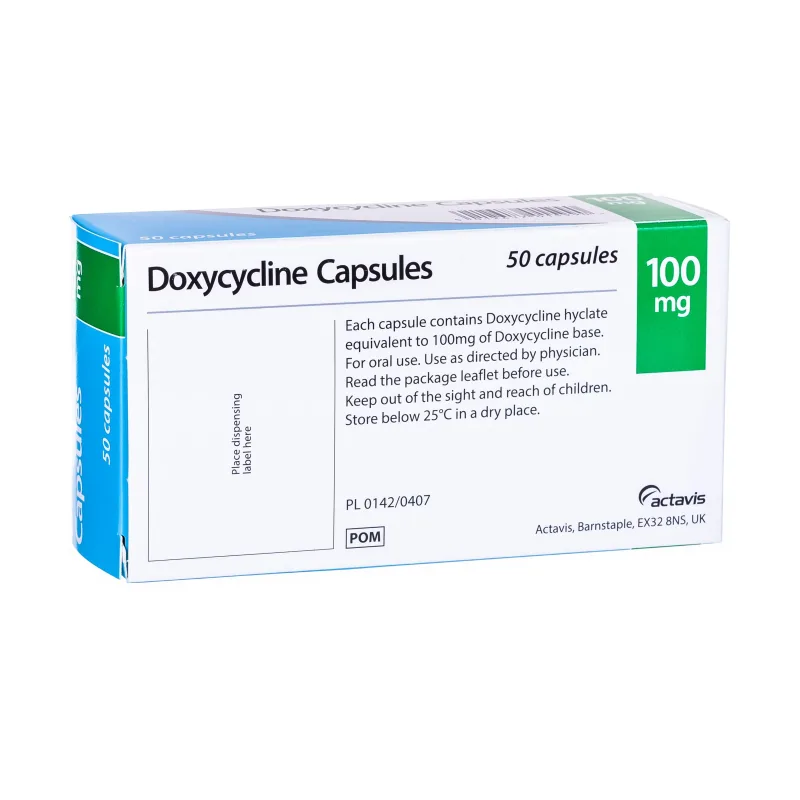
Images are for illustration only.
Doxycycline for Malaria Prevention
Doxycycline 100mg capsules to help prevent malaria. Take one a day, from 1 to 2 days before you arrive in a malaria area until 4 weeks after you leave. Prescribed after a short consultation about your trip.
Free online assessment with a UK prescriber



Doxycycline is one of the most widely used malaria tablets for UK travellers. You take one 100mg capsule a day, starting 1 to 2 days before you arrive in a malaria area, every day while you're there, and for 4 weeks after you leave. At MedsRus, a UK prescriber reviews a short online consultation about your trip and your health before supplying doxycycline, and we send it in discreet packaging.
Doxycycline for malaria at a glance
| Details | |
|---|---|
| Dose | One 100mg capsule a day |
| When to start | 1 to 2 days before entering a malaria area |
| While away | Every day, at the same time |
| After you return | Every day for 4 weeks |
| Suitable for | Most malaria areas, including Africa, South and Southeast Asia, and South America |
| Prescription needed | Yes |
How many doxycycline capsules do I need?
Add up:
- 2 days before you enter the malaria area;
- the number of days you'll spend in the malaria area;
- 28 days (4 weeks) after you leave.
Example: a 14-day trip needs 2 + 14 + 28 = 44 capsules.
| Days in a malaria area | Capsules needed |
|---|---|
| 7 | 37 |
| 14 | 44 |
| 21 | 51 |
| 28 | 58 |
The table assumes you start 2 days before you arrive.
Not sure whether you need malaria tablets at all? Check the advice for your destination on TravelHealthPro. Our malaria tablets page explains more about planning, and other antimalarials.
Why do I keep taking it for 4 weeks after I get home?
Malaria parasites can still be in your blood after you leave. Doxycycline kills them as they develop, so stopping too early can let malaria develop after you're home. Don't skip the last 4 weeks.
How to take doxycycline for malaria
- Take one capsule at the same time every day.
- Swallow it with a full glass of water, sitting or standing. Don't lie down for 30 minutes afterwards, so avoid taking it right before bed.
- Taking it with food can reduce stomach upset.
- Leave 2 hours between doxycycline and indigestion remedies, or iron, calcium or zinc supplements.
- If you miss a dose, take it as soon as you remember, then carry on as normal.
Protect yourself from mosquito bites too
No antimalarial is 100% effective, so avoiding bites is just as important:
- use an insect repellent containing DEET (20 to 50%) on exposed skin;
- sleep under a mosquito net treated with insecticide;
- wear long sleeves and trousers from dusk;
- use air conditioning or screens on windows if you can.
Side effects of doxycycline
Common side effects include:
- feeling sick, indigestion or diarrhoea;
- headache;
- sun sensitivity: your skin can burn much more easily. This matters on holiday, so use a high-factor sunscreen, cover up and seek shade.
Women may be more likely to get thrush while taking doxycycline. Pack a thrush treatment if you've had it before.
Our guide to the side effects of malaria tablets compares doxycycline with the other options.
Stop and get medical help if you have pain when swallowing or chest pain behind the breastbone, severe or bloody diarrhoea, or signs of an allergic reaction.
Who shouldn't take doxycycline?
It isn't suitable if you're pregnant or breastfeeding, if you're allergic to tetracyclines, or for children under 12. Speak to the prescriber about alternatives if any of these apply. Tell them about any other medicines, including blood thinners and epilepsy medicines.
If doxycycline isn't suitable for you, a travel clinic or GP can advise on other malaria tablets, such as atovaquone-proguanil.
Malaria symptoms: get help fast
Malaria can develop up to a year after travel, even if you took tablets. Symptoms include fever, sweats and chills, headache, muscle aches, and feeling sick. If you get a fever during or after your trip, get medical help the same day and say where you've travelled.
How to order doxycycline for malaria
- Complete a short consultation about your trip dates, destination and health.
- A UK prescriber reviews it and, if suitable, approves the right number of capsules.
- We send it in discreet packaging. Order in good time before you travel.
Doxycycline for malaria FAQs
When should I start taking doxycycline for malaria?
1 to 2 days before you enter the malaria area.
How long do I take doxycycline after returning home?
For 4 weeks after leaving the malaria area.
How many doxycycline tablets do I need for 2 weeks?
44: 2 days before, 14 days away and 28 days after.
Can I drink alcohol while taking doxycycline?
Moderate alcohol is usually fine, but it can make stomach side effects worse.
Does doxycycline make you sensitive to the sun?
Yes. Use high-factor sunscreen and cover up while you're taking it.
Do I still need insect repellent?
Yes. Tablets lower your risk but don't remove it, so avoid bites too.
Can I take doxycycline with the contraceptive pill?
Yes. Doxycycline doesn't stop the pill working. If it makes you sick or gives you severe diarrhoea, follow your pill's missed-pill advice.
Further reading
Sources: