





A good skincare routine doesn't need ten steps. Cleansing, a few targeted products and daily sunscreen do most of the work. Obagi is a professional skincare brand known for its vitamin C range and its cleansers for oily, blemish-prone skin. MedsRus stocks a selection of Obagi products, including the Obagi-C Cleansing Gel, Balancing Toner and Exfoliating Day Lotion.
Why vitamin C in skincare?
Vitamin C (ascorbic acid) is one of the most widely used ingredients in skincare. It's an antioxidant, which means it helps protect skin from everyday stress such as sunlight and pollution. It's popular for:
- brightening a dull-looking complexion;
- evening out the look of skin tone and dark marks;
- supporting your sunscreen as part of a daily routine.
Vitamin C doesn't replace sunscreen, but the two work well together.
Our Obagi range
| Product | Step | Designed for |
|---|---|---|
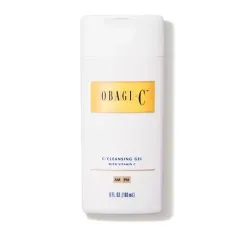
| Obagi-C Cleansing Gel | Cleanse | Gently removing dirt and oil, with vitamin C |
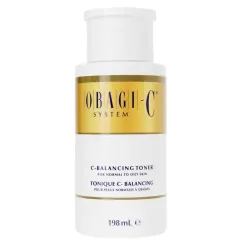
| Obagi-C Balancing Toner | Tone | Refreshing skin and preparing it for the next steps |
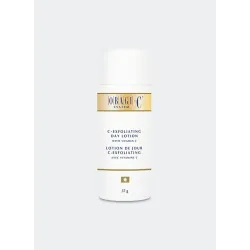
| Obagi-C Exfoliating Day Lotion | Exfoliate and moisturise | Smoothing rough texture and brightening |
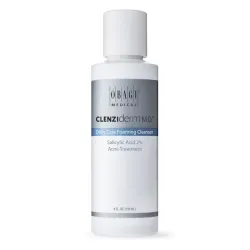
| Obagi CLENZIderm M.D. Foaming Cleanser | Cleanse | Oily and blemish-prone skin |
Obagi-C Cleansing Gel
A gentle gel cleanser for morning and evening. It lifts away dirt, oil and make-up without stripping the skin. Use it with lukewarm water and pat dry.
Obagi-C Balancing Toner
A toner that refreshes skin after cleansing and helps prepare it for serums and moisturisers. Sweep it over your face with a cotton pad.
Obagi-C Exfoliating Day Lotion
A daytime lotion that combines vitamin C with gentle exfoliating acids to smooth the look of rough texture. Because exfoliating acids can make skin more sensitive to the sun, use a broad-spectrum sunscreen every day while using it. If your skin is sensitive, start every other day.
Obagi CLENZIderm M.D. Foaming Cleanser
A foaming cleanser designed for oily and blemish-prone skin. It helps clear away excess oil. If you have more than the occasional spot, a medical treatment may help more. See "When skincare isn't enough" below.
Building a simple routine
Morning
- Cleanse.
- Tone (optional).
- Vitamin C product or exfoliating lotion.
- Moisturiser.
- Sunscreen, SPF 30 or above. This is the single most important step for protecting your skin.
Evening
- Cleanse, twice if you wear make-up or sunscreen.
- Tone (optional).
- Moisturiser, or any treatment your prescriber has given you.
Tips for getting it right
- Introduce one new product at a time, a week or two apart, so you can tell what suits your skin.
- Patch test new products on a small area, such as behind your ear, for a couple of days.
- Don't over-exfoliate. If your skin feels tight, stings or looks red, cut back.
- Be patient. Skin renews itself roughly every 4 to 6 weeks, so give products time.
- Use lukewarm water, not hot.
Sunscreen: the step that matters most
Sun exposure is the biggest cause of visible skin ageing, uneven tone and dark spots, and too much sun raises the risk of skin cancer. Whatever else is in your routine, daily sunscreen does more for your skin than any other product.
- Choose a broad-spectrum sunscreen with SPF 30 or higher and at least 4 stars for UVA protection.
- Apply it as the last step of your morning routine, even on cloudy days.
- Use enough: about a teaspoon for your face and neck.
- Reapply every 2 hours when you're outdoors, and after swimming or sweating.
- Be extra careful if you use exfoliating acids or retinoids, which make skin more sensitive to the sun.
Choosing products for your skin type
- Oily or blemish-prone skin: a foaming cleanser, lightweight oil-free moisturiser and non-comedogenic sunscreen.
- Dry skin: a gentle cream or gel cleanser, a richer moisturiser and fewer exfoliating steps.
- Sensitive skin: fragrance-free products, fewer steps, and new products introduced slowly.
- Combination skin: treat each area as it needs, for example a lighter moisturiser on an oily T-zone.
When skincare isn't enough
Some skin problems need medical treatment rather than cosmetic products. See our pages on:
- acne treatment, for regular spots, blackheads or cysts;
- rosacea treatment, for facial redness and flushing;
- eczema and psoriasis treatment, for dry, itchy or scaly patches;
- unwanted facial hair treatment.
See a GP or pharmacist if a mole changes shape, size or colour, bleeds or itches, or if you have a sore that doesn't heal.
Skin care FAQs
What does vitamin C do for your skin?
Vitamin C is an antioxidant that helps protect skin from daily environmental stress and can brighten the look of your complexion.
Should I use vitamin C in the morning or evening?
Many people use it in the morning, under sunscreen.
Can I use vitamin C with retinol or acne treatments?
Often yes, but use them at different times, such as vitamin C in the morning and retinoids at night, and build up slowly. If you use a prescription acne treatment, check with our pharmacist first.
Do I need a toner?
It's optional. A toner can refresh skin after cleansing, but cleansing, moisturising and sunscreen are the essentials.
Can I use exfoliating products every day?
Some people can, but start a few times a week and build up. Always wear sunscreen.
Is Obagi suitable for sensitive skin?
Some products may be. Introduce one at a time and patch test first.
What order should I apply skincare in?
Generally thinnest to thickest: cleanser, toner, serum or treatment, moisturiser, then sunscreen in the morning.
Further reading
Sources: