




Rosacea is a common long-term skin condition that mainly affects the face. It usually starts with flushing that comes and goes, and over time can cause lasting redness, visible blood vessels and spots. There's no cure, but treatment and avoiding your triggers can keep it under control. MedsRus offers prescription rosacea treatments, including a gel for persistent redness and another for spots and bumps, after an online consultation with a UK prescriber.
Rosacea symptoms
Rosacea usually affects the cheeks, nose, chin and forehead. Symptoms include:
- flushing: redness that comes and goes, often with a hot or burning feeling;
- persistent redness, like a blush or sunburn that doesn't fade;
- visible blood vessels (thread veins);
- spots and bumps (papules and pustules), which can look like acne;
- dry, sensitive skin that stings or burns with skincare products;
- sore, gritty or red eyes.
On darker skin, redness can be harder to see, and rosacea may show as warmth, dark patches or bumps. It's more common in women and people over 30.
Rosacea or acne?
Rosacea spots look like acne, but rosacea doesn't cause blackheads, and it usually comes with redness and flushing. The treatments are different, and some acne treatments make rosacea worse. If you think you have acne, see our acne treatment page.
What triggers rosacea?
The cause isn't fully understood, but certain things make flare-ups more likely. Common triggers include:
- sunlight and heat;
- hot drinks, spicy food and alcohol, especially red wine;
- cold or windy weather;
- stress;
- strenuous exercise;
- some skincare products and cosmetics.
Keeping a diary for a few weeks can help you spot your own triggers.
Rosacea treatment options
Treatment depends on your main symptoms, and many people use more than one approach.
| Main symptom | Treatment options |
|---|---|
| Persistent redness | Brimonidine gel (Mirvaso) |
| Spots and bumps | Azelaic acid (Finacea), ivermectin or metronidazole creams; antibiotic tablets if more severe |
| Visible blood vessels | Laser or light treatment (usually private) |
| Flushing | Avoiding triggers; some medicines from a GP |
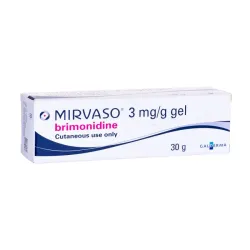
Mirvaso gel for redness
Mirvaso contains brimonidine, which narrows the small blood vessels in your skin. It reduces redness within about 30 minutes, and the effect lasts up to 12 hours. It doesn't treat spots.
- Apply a small, pea-sized amount once a day, spread evenly over the face.
- Start with a smaller amount for the first week to see how your skin responds.
- Avoid your eyes, lips and mouth, and don't apply to irritated or broken skin.
- Wash your hands straight after applying.
Some people find redness comes back worse as the gel wears off, or their rosacea flares. If that happens, stop using it and speak to us or your GP.
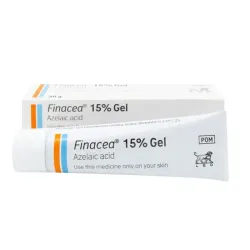
Finacea gel for spots and bumps
Finacea contains azelaic acid 15%. It reduces inflammation and helps clear the spots and bumps of rosacea.
- Apply a thin layer twice a day to the affected areas.
- It may sting or tingle at first; this usually settles.
- Improvement is usually seen after about 4 weeks, with the best results after a few months.
Other treatments
If creams aren't enough, a GP may prescribe ivermectin cream, metronidazole gel, or antibiotic tablets for a few months. For visible blood vessels, laser treatment can help, though it's rarely available on the NHS.
Skincare that helps
- Use sunscreen every day, SPF 30 or above. Mineral sunscreens are often gentler.
- Choose gentle, fragrance-free products labelled for sensitive skin.
- Wash with lukewarm water, not hot, and pat your face dry.
- Avoid alcohol-based toners, scrubs, and products containing menthol or witch hazel.
- Green-tinted make-up can help cover redness.
Living with rosacea
Rosacea tends to come and go, with flare-ups followed by calmer spells. Many people find that a simple routine makes the biggest difference: a gentle cleanser, a fragrance-free moisturiser, daily sunscreen and their treatment. Keep your routine the same for a few weeks before judging whether something works, and introduce new products one at a time.
In a small number of people, mostly men, the skin on the nose can gradually thicken (rhinophyma). This is treatable, so mention it to a GP early.
Rosacea and your eyes
Rosacea can affect the eyes, causing dryness, grittiness, redness and swollen eyelids. See a GP if your eyes are affected. Get urgent help if you have sudden eye pain, sensitivity to light or changes to your vision.
When to see a GP
See a GP if:
- you're not sure whether it's rosacea;
- treatment hasn't helped after a few months;
- your skin is thickening, especially on the nose;
- your eyes are affected;
- rosacea is affecting your confidence or mood.
How to order rosacea treatment from MedsRus
- Complete a short consultation about your skin, your symptoms and any medicines you take. You may be asked for a photo.
- A UK prescriber reviews it and recommends a suitable treatment.
- We send it in discreet packaging.
MedsRus supplies this treatment to adults aged 18 to 65.
Rosacea FAQs
What's the best treatment for rosacea?
It depends on your symptoms. Brimonidine gel helps redness, while azelaic acid and other creams help spots and bumps. Many people use both.
How long does Mirvaso last?
Its effect usually lasts up to 12 hours after you apply it.
Can rosacea be cured?
No, but treatment and avoiding triggers can keep it well controlled.
Is Finacea for acne or rosacea?
Finacea contains azelaic acid 15%, which is used for the spots and bumps of rosacea. A stronger azelaic acid cream is used for acne.
Can I use Mirvaso and Finacea together?
Yes, many people do, because they treat different symptoms. Leave a few minutes between them so each one dries, and your prescriber will advise which to apply first.
What is rebound redness?
Some people find their redness comes back worse than before as Mirvaso wears off, or their rosacea flares after starting it. The MHRA has warned about this. Start with a small amount, and if it happens, stop using it and speak to us or your GP.
Can I wear make-up with rosacea?
Yes. Choose gentle, fragrance-free products, and apply your treatment first.
Does alcohol make rosacea worse?
For many people, yes, especially red wine. It's a common trigger for flushing.
Further reading
- Rosacea triggers and how to track yours
- A gentle skincare routine for rosacea
- Eczema and psoriasis treatment
- All chronic condition treatments
Sources: