



Yes, Men Can Get Thrush — Here's What That Means
Yes, men can absolutely get thrush. Thrush is a fungal infection caused by Candida albicans, a yeast that naturally lives on the skin and inside the body without causing any problems most of the time. Think of Candida like a background tenant in your body: quiet and harmless under normal conditions, but capable of causing trouble if the environment shifts in its favour.
Related: Signs of Gonorrhea or Chlamydia: Early Symptoms You Shouldn't Ignore
In men, thrush most commonly appears as genital thrush, clinically known as candidal balanitis, which refers to inflammation of the head of the penis (the glans). While thrush is more frequently discussed in women, male thrush is genuinely common, with candidal balanitis estimated to affect around 11% of men.
One important point to clear up immediately: thrush is not a sexually transmitted infection. It can be passed between sexual partners, but it originates from an overgrowth of Candida already present in the body. Thrush in men is a common, treatable condition — and with access to discreet online pharmacy care through MedsRUs, treatment can be quick and straightforward.
Symptoms of Thrush in Men
Thrush symptoms in men are usually localised to the genitals and tend to be fairly recognisable.
The most common symptoms of thrush on the penis include:
- Redness, swelling, or irritation around the head of the penis.
- A thick, white discharge under the foreskin, often described as cottage cheese-like.
- Itching or burning around the glans.
- Pain or discomfort during urination.
- Discomfort or pain during sex.
- An unpleasant or unusual smell.
Penile thrush is medically referred to as candidal balanitis, a term that simply describes inflammation of the glans caused by Candida. Uncircumcised men are more susceptible, though any man can develop it.
If you're unsure whether your symptoms are thrush, MedsRUs offers online assessments to help confirm your diagnosis and guide treatment.
What Causes Male Thrush?
Thrush is caused by Candida albicans, a fungus that naturally lives on the skin, in the gut, and on mucous membranes. It is part of the body's normal microbial environment. Problems begin when the conditions that keep Candida in check are disturbed, allowing it to multiply rapidly and cause an infection. Poor hygiene alone is rarely the reason it happens.
The most clinically significant triggers include:
-
- Antibiotics: These disrupt the natural microbial balance of the body.
- Uncontrolled diabetes or high blood sugar: Candida feeds on glucose.
- A weakened immune system: Illness or certain medications can reduce resistance.
- Tight or synthetic clothing: Traps heat and moisture.
- Perfumed soaps or shower gels: Disrupt the skin’s natural balance.
- Sexual contact with a partner who has a yeast infection
Clinicians often see recurring thrush linked to underlying factors like blood sugar control or repeated antibiotic use. Addressing these is key to long-term prevention.
Does Circumcision Affect Thrush Risk?
Uncircumcised men are at higher risk of developing genital thrush. The foreskin creates a warm, moist environment that Candida thrives in. Circumcised men can still develop thrush, but the risk is lower due to reduced moisture retention.
Diet can also play a role. High sugar intake and yeast-containing foods (like beer and bread) may contribute to Candida overgrowth, something worth considering if you experience recurring symptoms.
How to Treat Male Thrush — and How Long It Takes
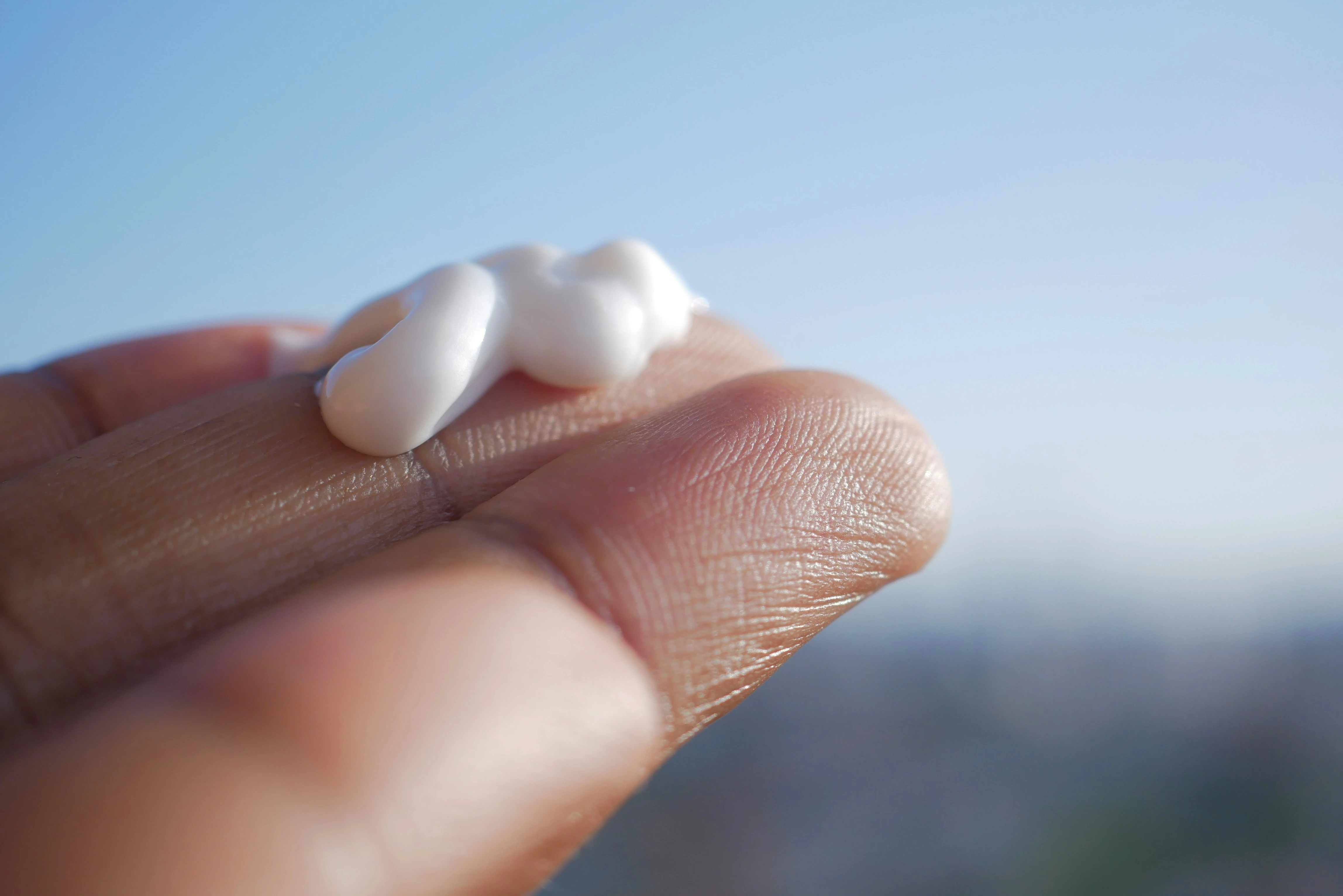
Male thrush treatment is straightforward and highly effective. Through the MedsRUs online pharmacy, you can access both prescription and over-the-counter options online, with fast delivery and no in-person pharmacy visit required.
? Learn more about oral treatment
? Explore treatment options
The two main treatment approaches are:
- Topical antifungal creams: Options like clotrimazole 1% (commonly found in treatments such as Canesten) are applied directly to the affected area once or twice daily.
- Oral antifungal medication: A single-dose fluconazole capsule (150mg) is often prescribed for convenience and effectiveness.
Most cases of male thrush clear within 7 to 14 days with consistent treatment.
Important: Antifungal creams can weaken latex condoms, so use alternative protection during treatment.
When Should You See a Doctor Instead of Self-Treating?
You should seek medical advice (or use a MedsRUs consultation) if:
- This is your first episode (to confirm diagnosis)
- Symptoms don’t improve after 14 days
- You experience fever or spreading redness
- You have recurring thrush (4+ times per year)
- Your partner also has symptoms
MedsRUs provides discreet online assessments and prescriptions, making it easy to get the right treatment without delays.
Preventing Male Thrush From Coming Back
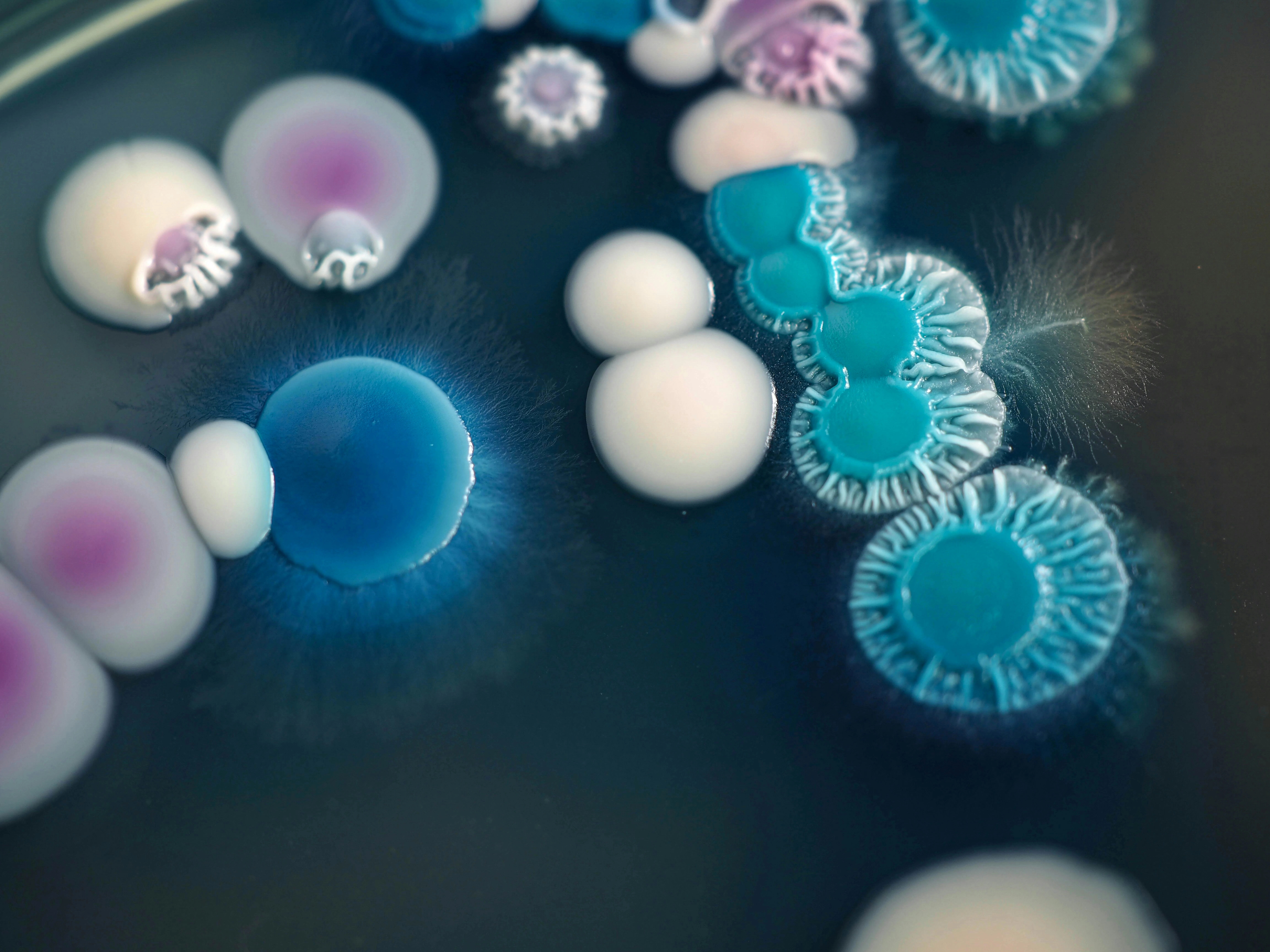
Preventing thrush is about reducing the conditions that allow Candida to thrive.
Practical steps include:
- Wear loose-fitting cotton underwear.
- Dry the genital area thoroughly after washing.
- Avoid scented soaps or body washes.
- Change out of sweaty or wet clothing quickly.
Lifestyle considerations:
- Manage blood sugar levels (especially important for diabetes).
- Reduce high-sugar and processed foods.
- Moderate alcohol intake (especially beer and wine).
If thrush keeps returning, MedsRUs clinicians can assess whether longer-term antifungal treatment or further investigation is needed.
Thrush vs Other Genital Conditions: How to Tell the Difference
Several genital conditions share symptoms with thrush — here is how to distinguish them.
|
Condition |
Key Symptoms |
Cause |
STI? |
|
Candidal balanitis (thrush) |
White discharge, itching, redness around glans |
Candida yeast overgrowth |
No |
|
Bacterial balanitis |
Redness, soreness, possible discharge (not typically white and thick) |
Bacterial infection |
No |
|
Chlamydia |
Burning on urination, yellow or clear discharge |
Bacterial STI |
Yes |
|
Gonorrhoea |
Yellow or green discharge, burning urination |
Bacterial STI |
Yes |
If you have had genital thrush before and the symptoms are familiar, self-treatment with an over-the-counter antifungal is reasonable. However, a first-time episode should always be confirmed by a GP or sexual health clinic before you self-treat, particularly to rule out STIs with overlapping symptoms. Sexual health clinics are a non-judgmental resource that can quickly distinguish between these conditions with a straightforward swab test.
Frequently Asked Questions
Can men get thrush from a partner?
Yes, it can be passed between partners, but it often develops independently from naturally occurring Candida. It is not classified as an STI.
What does thrush look like on a man?
Typically redness, swelling, and irritation around the head of the penis, sometimes with a white discharge and small red patches or rash.
How quickly does male thrush clear up?
With treatment, most cases resolve within 7–14 days. Oral medication may begin working within a few days, while creams require consistent application.
Final Thoughts

Thrush in men is common, well understood, and reliably treatable. Recognising symptoms early and starting treatment promptly makes a significant difference.
With MedsRUs, you can access expert advice, discreet consultations, and fast treatment — all online — making it easier than ever to manage conditions like thrush with confidence.