


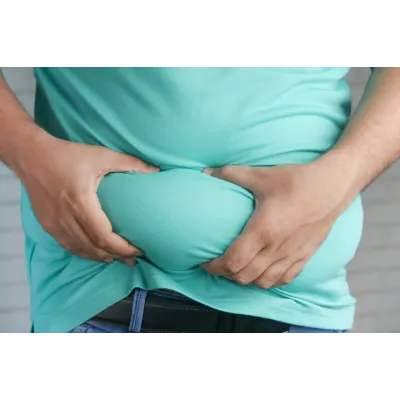
Understanding water weight vs fat loss is essential for anyone trying to lose weight and maintain realistic expectations about their progress. The number on your scale doesn't tell the complete story of what's happening in your body, and dramatic fluctuations can be misleading and discouraging.
Many people become frustrated when they see the scale jump up several pounds overnight or experience rapid initial weight loss that suddenly stops, not realizing these changes often reflect water shifts rather than actual fat gain or loss.
Related: Hay Fever vs. Cold Symptoms: What's the Difference?
What is Water Weight vs. Fat Loss?
How Your Body Stores Water
Your body constantly retains and releases water as part of normal physiological processes. Water weight refers to extra fluid that accumulates in your tissues, blood, and between cells throughout your body.
Several factors influence how much water your body holds at any given time. Sodium intake, carbohydrate consumption, hormonal fluctuations, and inflammation all affect water retention levels.
Your body can hold onto several pounds of water weight without any actual change in body fat. This temporary storage explains why you might weigh significantly more or less from one day to the next without changing your eating or exercise habits.
How Fat is Stored and Burned
Fat loss occurs when your body burns stored triglycerides for energy because you're consuming fewer calories than you're expending. This process happens gradually as your body breaks down fat cells to fuel your daily activities and metabolic processes.
Unlike water weight, fat loss requires sustained caloric deficit over time. Your body typically loses fat at a rate of 1-2 pounds per week when you maintain a healthy calorie deficit through diet and exercise.
Creating a deficit of about 500-600 calories per day can lead to steady, sustainable fat loss. This gradual approach allows your body to adapt while preserving muscle mass and metabolic function.
Why Quick Weight Changes Are Usually Water
Dramatic weight changes happening over hours or days almost always involve water rather than fat. The math simply doesn't support rapid fat loss—burning one pound of fat requires a 3,500 calorie deficit, which is impossible to achieve in a single day through normal diet and exercise.
When you see a 3-pound drop overnight, you're witnessing water loss from factors like reduced sodium intake, lower carbohydrate consumption, or natural hormonal shifts. Similarly, a quick gain of several pounds typically reflects water retention from salty meals, increased carbohydrate intake, or hormonal changes.
Signs You're Losing Water Weight Not Fat
.webp)
Rapid Weight Loss in the First Week
When you start a new diet or exercise program, losing 5-10 pounds in the first week is common but misleading. This dramatic initial drop represents water weight vs fat loss, not the sustainable fat reduction you're ultimately seeking.
Your body stores carbohydrates as glycogen, which binds to water molecules at a ratio of about 3-4 grams of water per gram of glycogen. When you reduce carbohydrate intake or create a calorie deficit, your body depletes these glycogen stores and releases the bound water.
This explains why low-carb diets produce such impressive initial results. While motivating, understanding this helps you avoid disappointment when weight loss inevitably slows after the first week or two.
Weight Fluctuations of Several Pounds Daily
If your weight swings 2-5 pounds up or down within a 24-hour period, you're observing signs you're losing water weight not fat. True fat loss progresses steadily and doesn't reverse itself overnight.
Daily fluctuations stem from various factors including meal timing, sodium intake, exercise intensity, stress levels, and menstrual cycle phases in women. These variations are completely normal and don't reflect your actual progress toward fat loss goals.
Weighing yourself daily can provide useful data if you track trends over time, but fixating on day-to-day changes creates unnecessary stress and confusion about your actual progress.
Loss That Happens Without Calorie Deficit
Weight loss occurring while you're eating at maintenance calories or even in a surplus indicates water weight changes rather than fat reduction. Fat loss requires consuming fewer calories than you burn, so any loss happening without this deficit is temporary fluid shift.
Hot weather, decreased sodium intake, or starting certain medications can all trigger water loss without affecting your body fat percentage. These changes reverse quickly once conditions return to normal.
Weight That Returns After Eating Certain Foods
When you indulge in a high-sodium or high-carbohydrate meal and immediately gain several pounds, you're experiencing water retention, not instant fat gain. Your body holds extra water to process the sodium and replenish glycogen stores.
This temporary weight gain disappears within a few days as your body processes the nutrients and releases excess fluid. Understanding this pattern helps prevent panic after enjoying special meals or social events.
How to Tell Water Retention from Fat Loss
The Timeline Test: Speed of Weight Change
Water weight vs fat loss explained through timeline shows dramatic differences in pace. Water weight changes happen rapidly — sometimes within hours — while fat loss occurs gradually over weeks and months.
If you lost 4 pounds in two days, that's water. If you've lost 4 pounds over four weeks, that likely represents genuine fat loss. The speed of change provides clear clues about what type of weight you're actually losing.
Tracking your weight over weekly or monthly periods rather than daily gives you a more accurate picture of fat loss progress by smoothing out water weight fluctuations.
The Consistency Test: Steady vs. Fluctuating Loss
True fat loss follows a relatively consistent downward trend when averaged over time, even if daily measurements bounce around. Water weight creates erratic patterns with no clear direction.
Graph your weight over several weeks and look for the overall trend line. A steady, gradual decline indicates fat loss, while dramatic spikes and drops without clear patterns suggest you're primarily tracking water fluctuations.
The Measurement Test: Scale vs. Body Measurements
How to tell water retention from fat loss becomes clearer when you track body measurements alongside scale weight. Water distributes throughout your body and doesn't significantly change your physical dimensions, while fat loss reduces measurements in specific areas.
Take measurements of your waist, hips, chest, arms, and thighs monthly. If these measurements are decreasing but the scale isn't moving much, you're likely losing fat while retaining some water or even building muscle.
This approach provides a more complete picture of body composition changes than relying solely on scale weight.
The Visual Test: Puffiness vs. Reduced Body Size
Water retention often creates a puffy, bloated appearance particularly in your face, hands, ankles, and midsection. Your skin may look stretched or feel tight when you're holding excess water.
Fat loss produces a more defined appearance as your body's contours become more visible. You'll notice changes in how your face looks, how your clothes fit in specific areas, and increased muscle definition as fat decreases.
Progress photos taken in consistent lighting and poses every 2-4 weeks reveal changes that the scale and even measurements might miss.
Get Support for Your Weight Management Goals with MedsRUs
Navigating the complexities of water weight vs fat loss becomes easier with professional guidance tailored to your individual circumstances. At MedsRUs, we understand that weight management involves more than just watching numbers on a scale.
Our convenient online consultations connect you with healthcare professionals who can provide personalized advice about healthy, sustainable weight loss strategies. Whether you're struggling to interpret your progress or considering medical support for weight management, our team offers expert guidance based on your unique health profile – Visit MedsRUs today!