


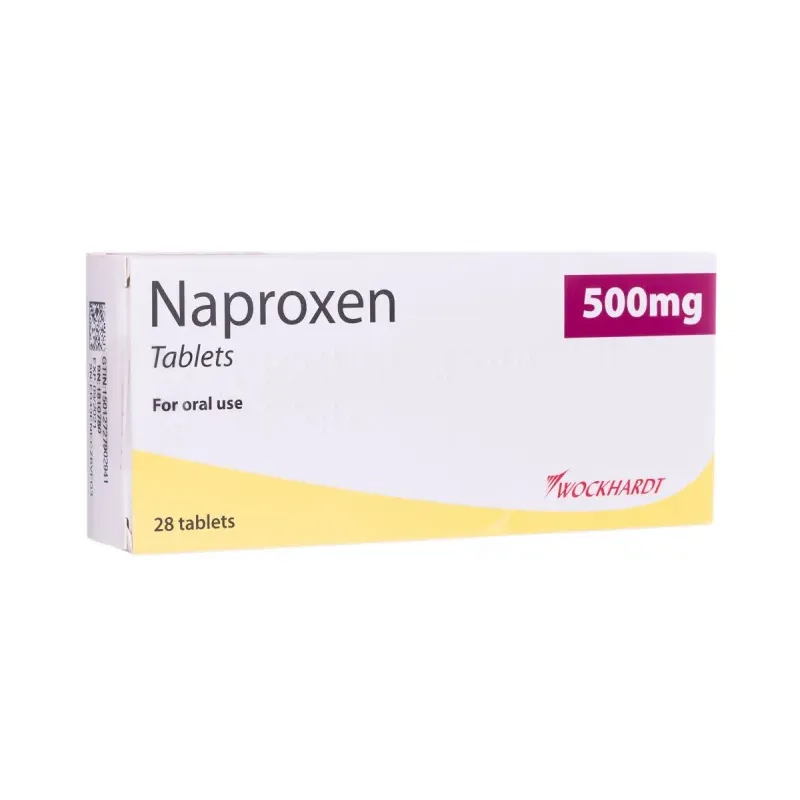
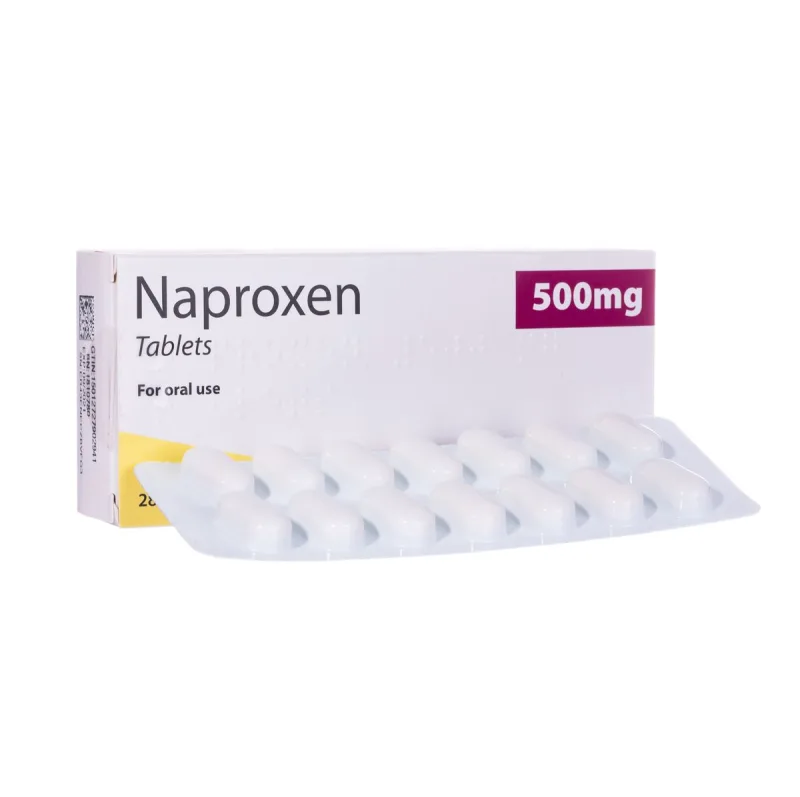
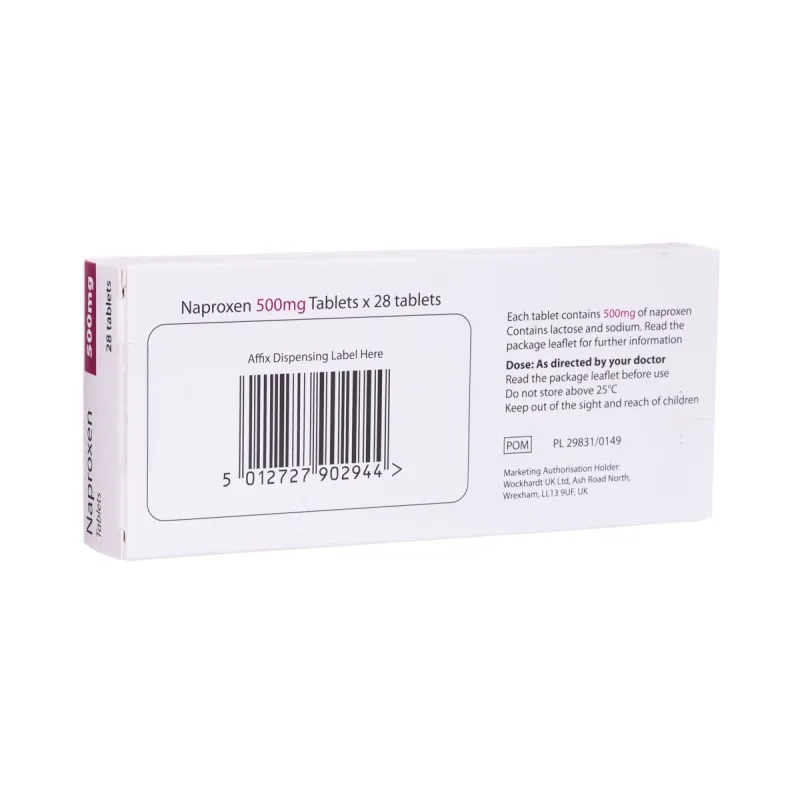
Images are for illustration only.
Naproxen and Naproxen EC
Naproxen is a prescription anti-inflammatory painkiller for joint, back, muscle and period pain, usually taken twice a day with food. It comes as standard tablets or EC (gastro-resistant) tablets.
Free online assessment with a UK prescriber



Naproxen is a prescription anti-inflammatory painkiller (an NSAID). It eases pain, swelling and stiffness, and is used for joint pain, back and muscle pain, sprains, gout flares and period pain. It lasts longer than ibuprofen, so you usually take it just twice a day. At MedsRus, a UK prescriber reviews a short online consultation before supplying naproxen or naproxen EC, and we send it in discreet packaging.
Naproxen at a glance
| Details | |
|---|---|
| Type of medicine | Non-steroidal anti-inflammatory drug (NSAID) |
| Used for | Joint, back and muscle pain, sprains, gout, period pain |
| Usual dose | 250mg to 500mg twice a day |
| How to take it | With or just after food |
| Forms | Standard tablets and EC (enteric-coated) tablets |
| Prescription needed | Yes |
What is naproxen used for?
Naproxen is used for pain and inflammation, including:
- arthritis: osteoarthritis, rheumatoid arthritis and ankylosing spondylitis;
- back pain, muscle pain, sprains and strains;
- gout flare-ups;
- period pain.
Our page on pain relief tablets explains which painkiller suits which kind of pain, and period pain relief compares naproxen with mefenamic acid.
How does naproxen work?
When tissue is injured or inflamed, your body makes chemicals called prostaglandins, which cause pain, swelling and heat. Naproxen blocks the enzymes (COX-1 and COX-2) that make prostaglandins, so it eases both pain and inflammation. That's why it works better than paracetamol for swollen joints and injuries.
Naproxen vs naproxen EC
| Naproxen | Naproxen EC | |
|---|---|---|
| Coating | Normal tablet | Enteric coating that dissolves in the gut, not the stomach |
| Starts working | Within about an hour | Takes longer, a few hours |
| Best for | Short bursts of pain | Regular use over several days |
| Stomach | Can irritate the stomach | Coating reduces direct irritation, but the risk of ulcers is similar |
Swallow EC tablets whole. Don't take indigestion remedies at the same time, as they can damage the coating.
Naproxen dosage
- Usual dose: 250mg to 500mg twice a day, morning and evening.
- Period pain: often 500mg to start, then 250mg every 6 to 8 hours if needed, up to a maximum of 1,250mg a day. If your periods are heavy as well as painful, tell the prescriber, as mefenamic acid is often used for heavy, painful periods.
- Gout: your prescriber will tell you the dose. It's usually higher at the start of a flare and is taken for a few days only, until the attack settles.
- Take it with or just after food, with a glass of water.
- Use the lowest dose for the shortest time that controls your pain.
If you miss a dose, take it when you remember, unless it's nearly time for the next one. Don't take two doses together.
Side effects of naproxen
Common side effects include:
- indigestion, heartburn or tummy pain;
- feeling sick;
- headache;
- dizziness or drowsiness;
- ringing in the ears.
Stop taking naproxen and get urgent help if you have black or bloody poo, vomit blood, severe tummy pain, chest pain, wheezing or shortness of breath, or swelling of the face or throat.
Like all anti-inflammatories, naproxen can cause stomach ulcers and bleeding, especially if you're over 65 or take it for a long time. If you're at higher risk, the prescriber may also suggest a stomach-protecting medicine such as omeprazole.
Who shouldn't take naproxen?
It may not be suitable if you:
- have had a stomach ulcer or bleeding;
- have heart failure, heart disease, or have had a stroke;
- have kidney or liver problems;
- have asthma that gets worse with ibuprofen or aspirin;
- are pregnant or trying to get pregnant. Avoid it completely from 20 weeks of pregnancy.
Medicines to check
Don't take naproxen with ibuprofen, aspirin or other anti-inflammatories. Tell the prescriber if you take blood thinners, steroid tablets, some antidepressants (SSRIs), lithium, methotrexate, or medicines for blood pressure. You can take paracetamol alongside it.
How to order naproxen from MedsRus
- Complete a short consultation about your pain, your health and any medicines you take.
- A UK prescriber reviews it and approves a suitable treatment and dose.
- We send it in discreet packaging.
Naproxen FAQs
What is naproxen 500mg used for?
The same things as the 250mg tablet: pain and swelling from arthritis, back and muscle pain, sprains, gout flares and period pain. The 500mg strength just means fewer tablets for the usual adult dose.
Does naproxen make you drowsy?
It isn't a sedative, so most people don't feel sleepy. Dizziness and drowsiness are possible side effects for some people, though. If it affects you, don't drive or use machinery.
What is naproxen used for?
For pain and inflammation from arthritis, back and muscle pain, sprains, gout and period pain.
Is naproxen stronger than ibuprofen?
It lasts longer, so you take it twice a day instead of three times. Some people find one works better for them than the other.
What's the difference between naproxen and naproxen EC?
EC tablets have a coating, so they dissolve in the gut rather than the stomach. They take longer to start working.
How long does naproxen take to work?
Standard tablets usually start working within an hour. For arthritis, the full anti-inflammatory effect can take up to 2 weeks of regular use.
Can I take paracetamol with naproxen?
Yes. Don't take it with ibuprofen or aspirin.
Can I drink alcohol with naproxen?
A small amount is usually fine, but alcohol increases the risk of stomach irritation and bleeding.
Is naproxen available without a prescription?
Naproxen 250mg is sold in pharmacies in small packs for period pain only, for women aged 15 to 50. For other kinds of pain, higher strengths or regular use, naproxen is prescription-only.
Is naproxen safer for the heart than other anti-inflammatories?
At usual doses, naproxen is thought to carry a lower risk to the heart than some other anti-inflammatories, such as diclofenac. All of them need care if you have heart disease or high blood pressure, or have had a stroke, so the prescriber will check first.
Further reading
Sources: