


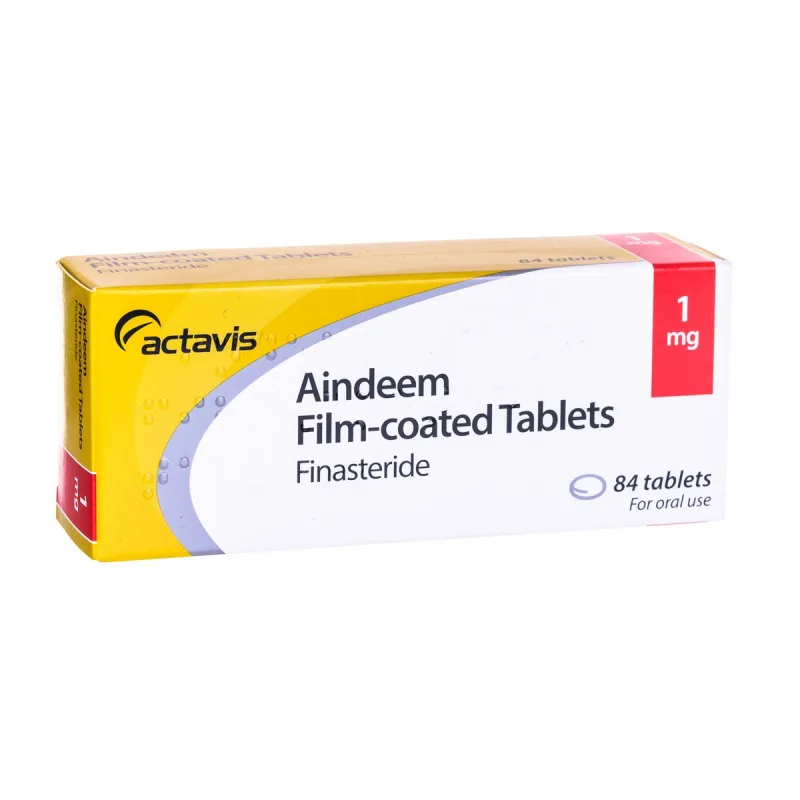
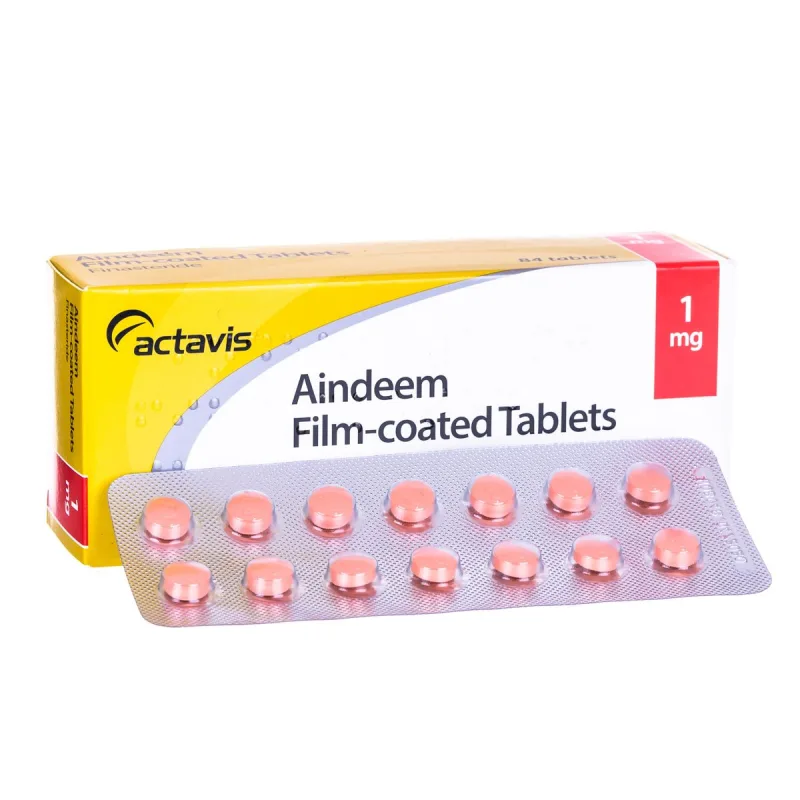
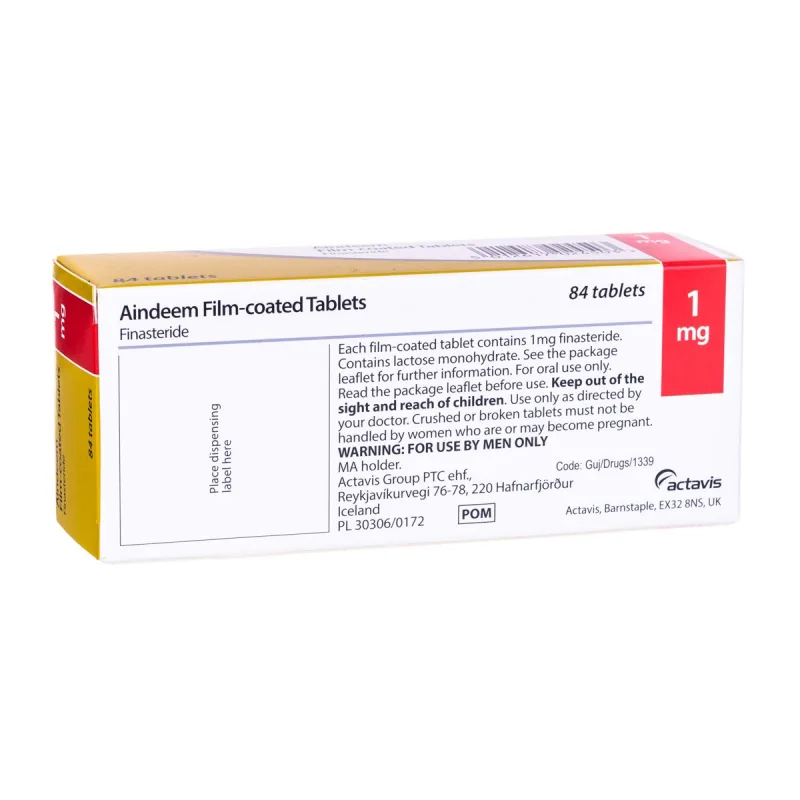
Images are for illustration only.
Finasteride 1mg Tablets
Finasteride 1mg is a once-a-day prescription tablet for male pattern hair loss. It lowers DHT to slow hair loss and can regrow some hair. Results take 3 to 6 months; it only works while you keep taking it.
Free online assessment with a UK prescriber



Finasteride 1mg is a once-a-day prescription tablet for male pattern hair loss. It lowers the hormone DHT, which shrinks hair follicles, so it can slow or stop hair loss and regrow some hair. It takes months to work and only keeps working while you take it. At MedsRus, a UK prescriber reviews a short online consultation before supplying it.
Important safety information. Finasteride can cause mood changes, including depression and, rarely, suicidal thoughts. Stop taking it and contact a doctor straight away if you notice low mood or thoughts of harming yourself. It can also cause sexual side effects (lower sex drive, erection problems, less semen), which in rare cases continue after stopping. Read the patient alert card in your pack.
Finasteride at a glance
| Details | |
|---|---|
| Active ingredient | Finasteride 1mg |
| Used for | Male pattern hair loss (androgenetic alopecia) |
| Dose | One tablet a day |
| When it works | Usually 3 to 6 months; full effect after about 12 months |
| How long | Ongoing: the benefit is lost if you stop |
| Who for | Men aged 18 and over. Not for women or children |
| Safety | MHRA patient alert card in every pack |
| Supply | Prescription-only, after an online consultation |
Is my hair loss male pattern?
Male pattern hair loss usually starts with a receding hairline at the temples, thinning at the crown, or both. It runs in families and can begin any time after puberty, sometimes in your late teens or twenties.
If your hair loss is sudden, patchy, itchy or sore, or you're losing hair from other parts of your body, finasteride is unlikely to help. See a GP to find the cause.
How does finasteride work?
In men with male pattern hair loss, hair follicles on the scalp are sensitive to dihydrotestosterone (DHT), a hormone made from testosterone. Over time DHT makes the follicles shrink, so the hairs they grow become thinner and shorter until they stop. Finasteride blocks the enzyme (5-alpha reductase) that turns testosterone into DHT, so the follicles are exposed to less DHT and can keep growing hair.
How to take finasteride
- Take one tablet a day, with or without food, at about the same time each day.
- Swallow it whole with water. Don't crush or break it.
- If you miss a dose, skip it and take the next one as normal. Don't take two together.
Women who are or may be pregnant shouldn't handle crushed or broken tablets.
What results to expect
Finasteride stops or slows hair loss in most men and regrows some hair in many. It works best on the crown and mid-scalp, and less well on a receding hairline. You'll usually see a difference after 3 to 6 months; the full effect takes about 12 months. If you stop, the benefit is lost within about a year. See our finasteride before and after guide for what to expect month by month.
Side effects and the MHRA warning
The MHRA has asked that everyone taking finasteride is told about its psychiatric and sexual side effects. Stop taking finasteride and contact a doctor straight away if you notice low mood, depression or thoughts of harming yourself.
- Uncommon (up to 1 in 100 men): lower sex drive, erection problems, less semen, low mood or depression.
- Other reported side effects: breast tenderness or enlargement, testicular pain, allergic reactions (rash, itching, swelling of the lips or face), anxiety, palpitations, and sexual problems that continue after stopping.
Tell us or your doctor about any breast lumps, pain or nipple discharge, as these need checking.
Who shouldn't take finasteride?
- Women and children.
- Anyone allergic to finasteride or any of the ingredients.
- Men already taking finasteride 5mg or dutasteride (other 5-alpha reductase inhibitors).
- Men with liver problems should speak to the prescriber first.
Finasteride roughly halves your PSA level. Tell your doctor you take it if you have a prostate blood test. Tiny amounts of finasteride pass into semen, so check the leaflet in your pack, and ask us, if your partner is pregnant or trying to get pregnant.
Finasteride and minoxidil
Many men use both. Finasteride works on the cause (DHT), while minoxidil boosts hair growth at the follicle. See minoxidil 2.5mg tablets, or compare all the options on our hair loss treatment for men page.
How to get finasteride from MedsRus
- Answer a few questions about your hair loss, your health and any medicines you take.
- A UK prescriber reviews them and, if finasteride is suitable, issues a prescription. They'll make sure you know about the MHRA safety advice.
- We send it in discreet packaging.
Finasteride FAQs
Does finasteride regrow hair?
It stops or slows hair loss in most men and regrows some hair in many, mainly on the crown and mid-scalp. It doesn't bring back hair on areas that have been bald for a long time.
How long does finasteride take to work?
You'll usually see a difference after 3 to 6 months of taking it every day. The full effect takes about 12 months.
What happens if I stop finasteride?
Hair loss starts again, and any benefit is usually lost within about 12 months of stopping.
Is finasteride the same as Propecia?
Yes. Propecia is a brand of finasteride 1mg. Generic finasteride 1mg contains the same medicine at the same dose.
Can finasteride affect fertility?
Male infertility and poorer semen quality have been reported, and often improved after stopping. If you're planning a family, talk to the prescriber first.
Can I take finasteride with minoxidil?
Yes. Many men use both. Finasteride works on the cause (DHT), while minoxidil boosts hair growth at the follicle.
Sources: