


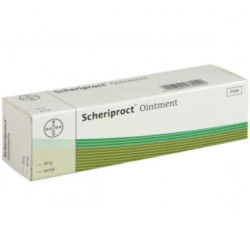



Piles (haemorrhoids) are swollen blood vessels in and around your bottom. They're very common, especially during pregnancy and in people who often get constipated. They can be itchy, sore and embarrassing, but they're rarely serious, and most get better within a few days with the right treatment. MedsRus offers prescription piles treatments, including Proctosedyl ointment and Scheriproct, after a short online consultation with a UK prescriber. Everything is sent in plain packaging.
Symptoms of piles
- bright red blood after you poo, on the toilet paper or in the bowl;
- an itchy, sore or swollen bottom;
- a lump in or around your bottom;
- feeling like you still need to poo after going;
- slimy mucus in your underwear or on toilet paper.
Internal piles form inside the back passage and often bleed but don't hurt. External piles form around the opening, and can be itchy and painful, especially if a blood clot forms inside one.
What causes piles?
Piles happen when there's extra pressure on the blood vessels in your bottom. Common causes include:
- constipation and straining on the toilet;
- long-lasting diarrhoea;
- pregnancy;
- lifting heavy things;
- being overweight;
- getting older, as the supporting tissue weakens.
Piles treatment options
Self-care first
Small changes often ease piles within a few days and stop them coming back:
- eat more fibre, such as fruit, vegetables, wholegrains and oats;
- drink plenty of water;
- don't strain, and don't sit on the toilet for long;
- gently pat your bottom clean with damp toilet paper;
- take a warm bath to ease itching and pain.
Over-the-counter creams and paracetamol can help mild piles. Avoid painkillers containing codeine, as they cause constipation.
Prescription piles creams, ointments and suppositories
When piles are more painful or inflamed, a treatment combining a steroid with a local anaesthetic works on two fronts: the steroid reduces swelling and itching, and the anaesthetic numbs the pain.
| Proctosedyl ointment | Scheriproct ointment | Scheriproct suppositories | |
|---|---|---|---|
| Steroid | Hydrocortisone | Prednisolone | Prednisolone |
| Anaesthetic | Cinchocaine | Cinchocaine | Cinchocaine |
| Best for | External and internal piles (with the applicator) | External and internal piles (with the applicator) | Internal piles |
| How often | Morning, night and after each bowel movement | Usually twice a day | Usually once a day, after a bowel movement |
- Proctosedyl ointment is one of the most widely used prescription piles treatments in the UK.
- Scheriproct ointment and Scheriproct suppositories contain a slightly different steroid. Suppositories release the medicine inside the back passage, which suits internal piles.
Our guide to haemorrhoid creams explains how the different types compare.
How to use them
- Wash and dry the area gently before applying.
- For internal piles, use the nozzle supplied with the ointment, or a suppository.
- Wash your hands before and after.
- Use them for no more than 7 days unless a doctor tells you otherwise. Steroids used for longer can thin the skin.
Side effects
Side effects are uncommon with short courses. Some people notice mild burning or irritation when they first apply the ointment. Stop and get advice if you get a rash or the area becomes more painful.
Who shouldn't use them
Steroid piles treatments may not be suitable if you:
- have an infection in the area, such as a fungal or viral infection;
- are pregnant or breastfeeding, unless a doctor has advised it;
- are allergic to any of the ingredients;
- have already used them for 7 days without improvement.
Stopping piles coming back
Once your piles have settled, the same habits that helped them heal will help keep them away:
- aim for around 30g of fibre a day, increasing it gradually to avoid wind and bloating;
- drink 6 to 8 glasses of fluid a day;
- go to the toilet as soon as you feel the urge, rather than holding it in;
- stay active, as regular movement keeps your bowels moving;
- avoid sitting for long periods, including on the toilet with your phone.
If piles keep coming back despite these changes, a GP can refer you for a simple hospital treatment, such as banding.
When to see a GP
Piles are the most common cause of bright red bleeding from the bottom, but bleeding can sometimes be a sign of something more serious. See a GP if:
- the blood is dark red or black, or mixed into your poo;
- you've had a change in your bowel habits for 3 weeks or more;
- you've lost weight without trying, or feel very tired;
- you're over 50 and this is new;
- your piles haven't improved after 7 days of treatment;
- you have a lump that's very painful, or pus.
Go to A&E if you're bleeding heavily or the bleeding won't stop.
If you're often constipated, our IBS treatment page has tips that may help.
How to order piles treatment from MedsRus
- Complete a short, confidential consultation about your symptoms, your health and any medicines you take.
- A UK prescriber reviews it and approves a suitable treatment.
- We send it in plain, discreet packaging.
We can't supply any medicines through our online service if you're pregnant. Please see your GP or midwife.
Piles FAQs
How long do piles last?
Mild piles often clear up on their own within a few days. With treatment and self-care, most improve within a week.
What is Proctosedyl ointment used for?
Proctosedyl is used to relieve the pain, itching and swelling of piles. It contains a steroid (hydrocortisone) and a local anaesthetic (cinchocaine).
Should I use a cream or a suppository?
Ointments suit external piles, and can be used inside with the nozzle. Suppositories suit internal piles.
Can piles go away on their own?
Yes, many do, especially if you avoid constipation and straining.
Are piles serious?
Usually not. But bleeding from your bottom should be checked by a GP if it's dark, mixed with your poo, or comes with other symptoms.
Can I get piles in pregnancy?
Yes, they're common in pregnancy. We can't supply any medicines online if you're pregnant, so please see your GP or midwife.
Further reading
Sources: