


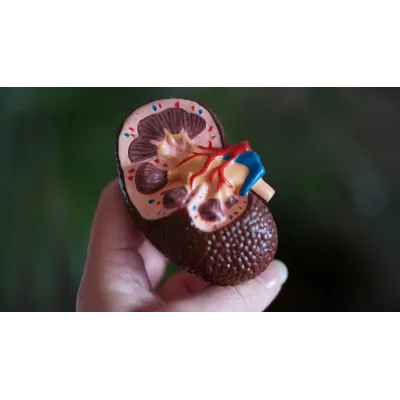
If you’ve ever wondered, “What are the first signs of kidney stones?”, we have answers. Even before you start to see telltale signs in the toilet, you may begin to feel physical signs. These early symptoms often include sharp pain in your lower back or side, discomfort in the kidney area, nausea, and changes in urination, which can come on suddenly and may worsen as the stone moves through your urinary tract.
Though kidney stones can be small and pass on their own, it’s possible for stones that are large enough to cause serious pain and complications. At MedsRUs, we believe early awareness is key — the sooner you recognise the symptoms, the faster you can take action, manage discomfort, and seek the right treatment if needed. This guide will help you navigate everything from preventative strategies to symptom detection.
What Are The First Signs of Kidney Stones?: Symptoms, Signs, And What To Look For
The first signs of kidney stones usually include sudden, intense pain in the general kidney area, often paired with nausea, vomiting, or frequent urination. You may also notice cloudy or pink-tinged urine, with symptoms often beginning when the stone starts moving throughout the body.
As the stone shifts from the kidney into the ureter, pain can come in waves. This is called renal colic, and it can feel sharp, cramping, and difficult to ignore. Some people also experience chills or a mild fever, especially if there’s an infection.
Early Warning Signals to Watch For
Kidney stones don’t usually appear out of nowhere — your body often gives subtle hints first. These early warning signs can be easy to overlook, especially if symptoms come and go. Knowing what to watch for can help you catch the problem early and take action before the pain becomes more intense.
Pain that comes and goes
Unlike general soreness, kidney stone pain often fluctuates. It may start mild, then suddenly intensify before easing again.
Urinary changes
You might feel the urge to go more often or notice a burning sensation during urination.
Digestive symptoms
Both nausea and vomiting are common, especially when pain peaks.
If pain becomes severe or you develop a fever, seek medical attention immediately.
What Should You Look for in Your Urine?
Changes in your urine are often one of the first noticeable signs of kidney stones. You may see blood, cloudiness, or even small particles. In some cases, people notice kidney stones in the toilet after passing them.
Urine may also have a strong or unusual smell. These changes happen because the stone irritates the urinary tract or causes minor bleeding.
Common urine changes to look out for include:
Pink, red, or brown urine: This may indicate blood in the urine.
Cloudy or foul-smelling urine: Often linked to infection or mineral buildup.
Visible particles: You may actually see tiny stones or grain-like material.
If you suspect you’ve passed a stone, try to collect it. Your healthcare provider can analyse it to determine the cause and prevent future stones.
What Does Kidney Pain Feel Like?

Kidney pain often feels like a sharp, stabbing sensation in your side or lower back, though it may also radiate toward your abdomen or groin and can come in waves. Many people describe it as one of the most intense types of pain they’ve experienced.
So, what does kidney pain feel like compared to other pain? Unlike muscle soreness, it doesn’t improve with rest or movement. It’s deeper, more persistent, and often paired with other symptoms like nausea.
How to Tell It Apart from Other Pain
Identifying kidney stone pain is crucial for both speedy identification and more efficient treatment.
If you’re unsure, keep in mind:
Location matters: Kidney pain is typically higher in the back, just below the ribs.
It doesn’t go away easily: Typical pain-relieving strategies, like changing positions or a massage, won’t relieve the pain.
It may spread: Pain can travel toward the lower abdomen or groin as the stone moves.
It’s important to track where and when the pain occurs, as this can help healthcare providers diagnose the issue faster.
Are Kidney Stones Dangerous?
Kidney stones are not always dangerous, but they can become serious if left untreated. Small stones may pass naturally, while larger ones can block the urinary tract and cause complications like kidney infection or damage.
The risk depends on the size, location, and whether symptoms are managed early. In some cases, untreated stones can lead to severe pain, repeated infections, or even reduced kidney function.
When to Take It Seriously
Smaller stones are more likely to pass on their own, while larger ones may require medication or medical procedures.
Experiencing any of the following could be cause for medical intervention:
Signs of complications: Fever, chills, or severe vomiting may indicate infection.
Persistent pain: Pain that doesn’t improve could mean a blockage.
Difficulty urinating: This may signal a stone obstructing urine flow.
Don’t ignore worsening symptoms. Early treatment can prevent complications and reduce recovery time.
Why Early Treatment Matters
Recognising symptoms early can make a significant difference in how kidney stones are treated.
Benefits of acting early include:
Less pain: Early intervention can reduce the severity and duration of symptoms.
Lower risk of complications: Prevent infections or kidney damage before they start.
Faster recovery: The sooner you address the issue, the quicker you can return to normal.
Practical Tips For Managing Early Symptoms at Home
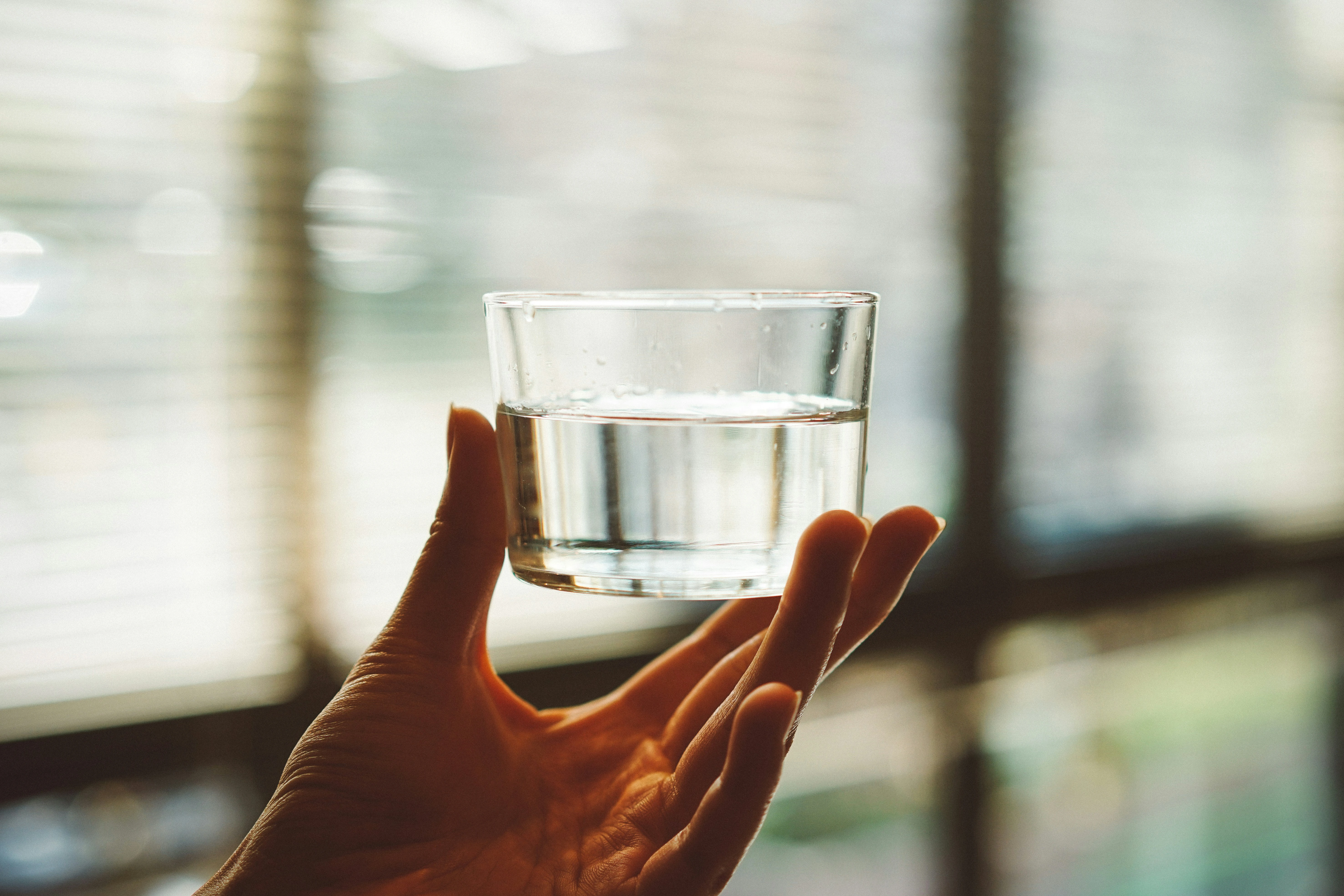
If you’re dealing with early kidney stone symptoms, there are simple steps you can take at home to stay comfortable and support your body. Small changes, like increasing fluids and easing pressure on the affected area, can make a noticeable difference. The key is to stay consistent and pay attention to how your symptoms respond.
Over-the-counter pain relief can help manage discomfort, but it’s important to follow recommended dosages and consult a professional if symptoms persist.
Practical At-Home Strategies
Managing early kidney stone symptoms at home focuses on hydration, pain relief, and monitoring your condition.
Stay hydrated: Aim for 2–3 litres of water per day unless advised otherwise. Drinking plenty of water helps flush the urinary system and may encourage small stones to pass naturally.
Use heat therapy: A warm compress or heating pad can ease discomfort in the kidney area.
Watch your diet: Reduce salt and avoid excessive oxalate-rich foods like spinach and nuts if you are prone to stones.
Track symptoms: Keep a record of pain levels, urination changes, and any passed stones.
If pain becomes unbearable, you can’t keep fluids down, or symptoms last more than a few days, it’s time to speak with a healthcare provider.
Final Thoughts
Kidney stones can be painful and disruptive, but understanding the early signs puts you in control. From sharp back pain to changes in urination, your body gives clear signals when something isn’t right.
By staying hydrated, monitoring symptoms, and seeking timely care, you can manage kidney stones effectively and reduce the chances of recurrence. And if you ever feel unsure, we’re here to help with trusted, professional support every step of the way.
At MedsRUs, we emphasise safe, accessible care. We work with licensed professionals and offer convenient online pharmacy options and next-day delivery options, so you can get guidance, prescriptions, and treatment plans tailored to your exact needs.