



Determining how to tell if back pain is kidney or muscle can be challenging since both conditions affect similar areas of your lower back.
Back pain is extremely common, but knowing whether it stems from muscle strain or a kidney problem significantly impacts how you should respond and whether you need immediate medical attention.
Kidney-related back pain often signals an infection or other serious condition requiring prompt treatment, while muscle pain typically improves with rest and self-care. Let’s help you decipher!
Related: How to Use a Spacer with an Inhaler
Key Differences Between Kidney and Muscle Back Pain
Location of the Pain
Understanding how to tell if back pain is kidney or muscle starts with identifying precisely where you feel discomfort. Kidney pain typically occurs higher in your back, just below your rib cage on either side of your spine, in an area called the flank.
Muscle pain from strains or overuse usually affects the lower back in the lumbar region and often spreads across both sides. Muscle pain may also concentrate on one side if you've strained specific muscles, but it generally stays within the lower back area.
Kidney pain tends to be more localized to a specific point on one side, though kidney problems can occasionally affect both kidneys simultaneously. The pain often feels deeper than muscle pain, as if it's coming from inside your body rather than the surface.
Type and Quality of Pain Sensation
Kidney vs muscle back pain symptoms differ significantly in how the pain actually feels. Kidney pain is often described as a deep, constant ache that may come in waves, particularly if you have kidney stones.
Muscle pain tends to feel like soreness, stiffness, or sharp twinges that worsen with certain movements. You might describe muscle pain as tight, knotted, or burning, and it often feels like it's right beneath your skin rather than deep inside.
Kidney stone pain specifically creates severe, cramping sensations that radiate from your back to your lower abdomen and groin. This type of pain comes and goes in intense waves as the stone moves through your urinary tract.
What Makes the Pain Better or Worse
How to tell if back pain is kidney or muscle becomes clearer when you notice what affects your pain level. Muscle pain typically improves with rest, worsens with movement or physical activity, and responds to position changes.
Kidney pain remains constant regardless of position or movement in most cases. Lying down, standing up, or moving around doesn't significantly change kidney pain intensity, though you might shift positions frequently trying to find relief.
Heat application and gentle stretching often provide relief for muscle pain but do little for kidney-related discomfort. If your pain responds well to these self-care measures, it's more likely muscular in origin.
Kidney vs. Muscle Back Pain Symptoms
Muscle Pain Characteristics
Muscle back pain usually develops after physical exertion, lifting heavy objects, sudden movements, or maintaining poor posture for extended periods. You can often pinpoint when and how the pain started based on your recent activities.
The affected area may feel tender to touch, and you might notice muscle spasms or involuntary twitching. Muscle pain often intensifies when you bend, twist, stand for long periods, or engage in activities that stress the affected muscles.
Most back pain is not caused by anything serious and usually improves within a few weeks. Muscle-related back pain falls into this category and responds well to staying active, applying heat, and taking over-the-counter pain relievers.
Kidney Pain Characteristics
How to tell kidney pain from back muscle pain involves recognizing the distinctive features of kidney-related discomfort. Kidney pain often appears suddenly without any obvious physical trigger like lifting or exercise.
The pain may feel dull and aching or sharp and severe depending on the underlying cause. Kidney infections produce a steady ache, while kidney stones create excruciating intermittent pain that ranks among the most severe pain people experience.
Kidney pain frequently worsens at night and may disrupt your sleep. Unlike muscle pain that often improves with rest, kidney pain persists and may even intensify when you're lying still.
When Pain Radiates to Other Areas
Kidney infection vs muscle strain symptoms differ in radiation patterns. Muscle strain pain typically stays localized to your back or spreads to nearby muscles in predictable patterns based on which muscles are affected.
Kidney pain commonly radiates forward to your lower abdomen, around to your side, and down to your groin area. This radiating pattern follows the path of your urinary tract and creates a distinctive distribution that muscle pain doesn't typically produce.
Pain from kidney stones specifically travels from your flank down toward your pelvis and genitals as the stone moves through your ureter. This shifting, radiating pain is a hallmark of kidney stones and doesn't occur with muscle problems.
Back Pain vs. Kidney Signs to Watch For
.webp)
Fever and Chills with Back Pain
Back pain vs. kidney signs often include fever, which rarely accompanies simple muscle strain. A fever above 38°C (100.4°F) alongside back pain suggests kidney infection (pyelonephritis) rather than a muscular issue.
Chills, shaking, and sweating accompanying your back pain indicate your body is fighting an infection. These systemic symptoms point toward a kidney infection or another serious condition requiring medical treatment.
If you develop a fever with back pain, don't assume it's just a coincidence or unrelated virus. This combination warrants prompt medical evaluation to rule out a kidney infection.
Changes in Urination
Lower back pain with urinary symptoms strongly suggests a kidney problem rather than muscle strain. Frequent urination, urgent need to urinate, burning sensation during urination, or difficulty urinating all point toward urinary tract involvement.
Cloudy, dark, or foul-smelling urine indicates possible infection in your urinary system. These changes don't occur with muscle-related back pain and serve as clear distinguishing factors.
Decreased urine output or complete inability to urinate despite feeling the urge requires emergency medical attention. These symptoms could indicate kidney blockage or severe kidney dysfunction.
Nausea and Vomiting
Nausea and vomiting frequently accompany kidney pain but rarely occur with muscle strain. The connection between kidney problems and digestive upset reflects the kidneys' role in your body's overall functioning and the severity of pain kidney issues can produce.
Kidney stones in particular often cause severe nausea and repeated vomiting as the pain intensifies. The vagal nerve response to intense pain triggers these gastrointestinal symptoms.
If your back pain makes you feel sick to your stomach or causes you to vomit, kidney involvement is likely and you should seek medical evaluation promptly.
Blood in Urine
Visible blood in your urine (hematuria) is a critical sign that demands immediate medical attention. Blood may appear pink, red, or cola-colored depending on the amount present.
Blood in urine can indicate kidney stones, a kidney infection, or more serious kidney conditions. This symptom never occurs with simple muscle strain and always requires medical investigation.
Even microscopic blood not visible to the naked eye may accompany kidney problems. If you have back pain and healthcare providers detect blood in a urine test, kidney involvement is confirmed.
How to Tell Kidney Pain from Back Muscle Pain Through Movement
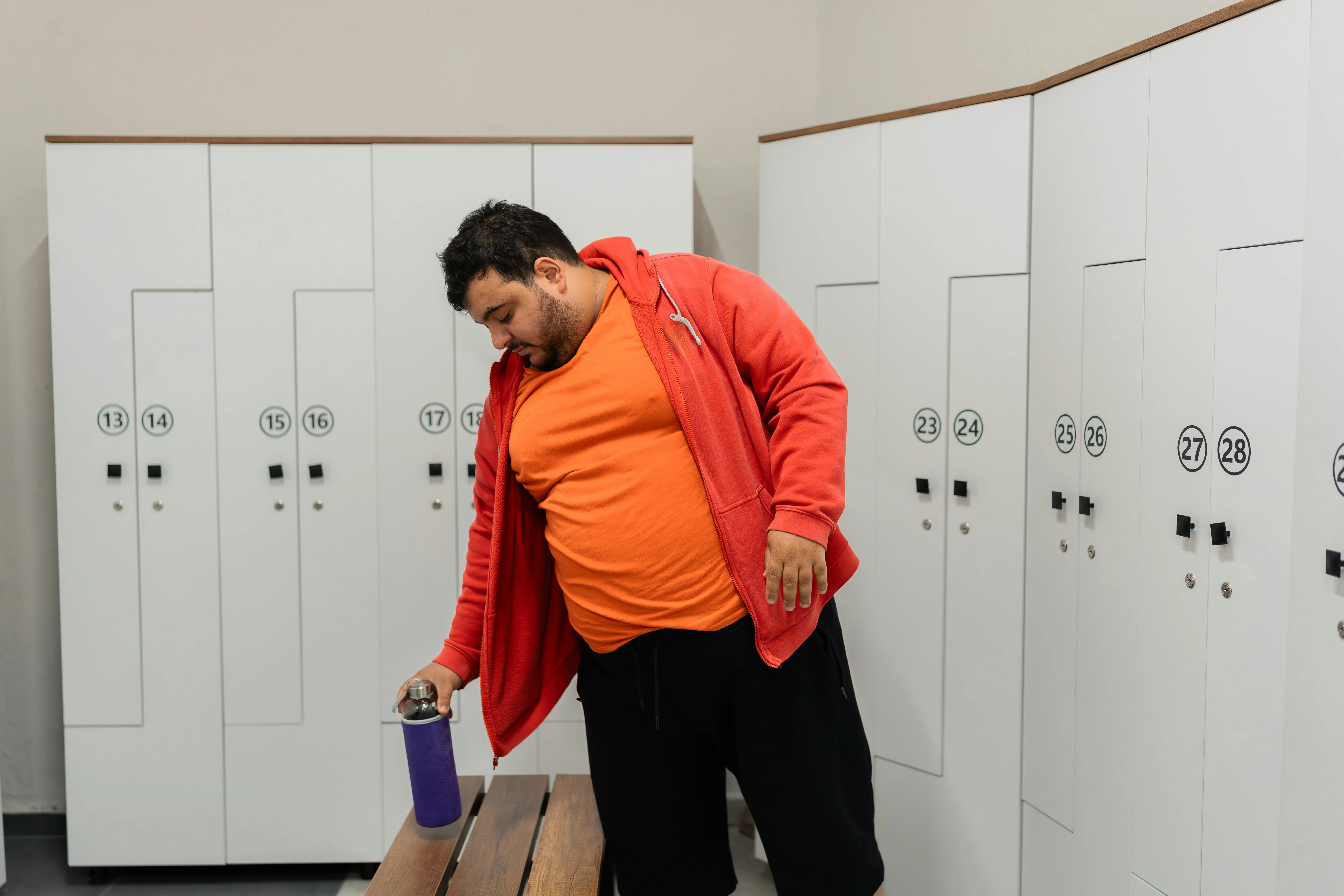
Does Changing Position Help or Worsen Pain?
How to tell if back pain is kidney or muscle becomes apparent when you change positions. Muscle pain responds dramatically to position changes — lying down might provide relief, while sitting might worsen discomfort.
You'll often find a "sweet spot" position that minimizes muscle pain, whether that's lying on your side with a pillow between your knees or sitting with proper lumbar support. Finding this comfortable position is typically impossible with kidney pain.
Kidney pain maintains consistent intensity whether you're standing, sitting, lying down, or moving around. People with kidney pain often pace or shift positions frequently but don't find lasting relief through positional changes.
Does Stretching Provide Relief?
Gentle stretching typically helps muscle-related back pain by releasing tension and improving flexibility. If your back pain responds positively to stretches targeting your lower back, hips, and hamstrings, the source is likely muscular.
Kidney pain doesn't improve with stretching exercises. Attempting to stretch when you have kidney pain won't worsen the condition, but you'll notice it provides no relief whatsoever.
If you can identify specific movements or stretches that either significantly help or hurt, you're probably dealing with muscle strain rather than kidney issues.
Is Pain Constant or Does It Come and Go?
The pattern of pain provides important clues about its source. Muscle pain often comes and goes based on activity level — you might feel fine when resting but experience sharp pain when you move in certain ways.
Kidney infection pain tends to be constant and persistent, maintaining a steady ache that doesn't completely resolve. Kidney stone pain is intense and intermittent, coming in severe waves that may last 20-60 minutes before temporarily subsiding.
Pay attention to whether your pain follows predictable patterns based on your movements and activities. Predictable, movement-related pain patterns suggest muscle involvement, while unpredictable or constant pain points toward possible kidney problems.
Seek Expert Guidance for Back Pain Concerns with MedsRUs
Don't spend days wondering how to tell if back pain is kidney or muscle when a professional evaluation can provide clear answers and appropriate treatment. At MedsRUs, our experienced healthcare professionals can assess your symptoms through convenient online consultations.
Whether you need guidance on managing muscle strain or require prompt treatment for a potential kidney infection, our team provides expert care tailored to your situation. We understand that back pain significantly impacts your daily life and work quickly to help you get the relief you need.
Visit MedsRUs to get clarity about your back pain. Our accessible, confidential services connect you with qualified clinicians who can determine whether your symptoms warrant further investigation and prescribe appropriate treatments to help you recover quickly and safely.