


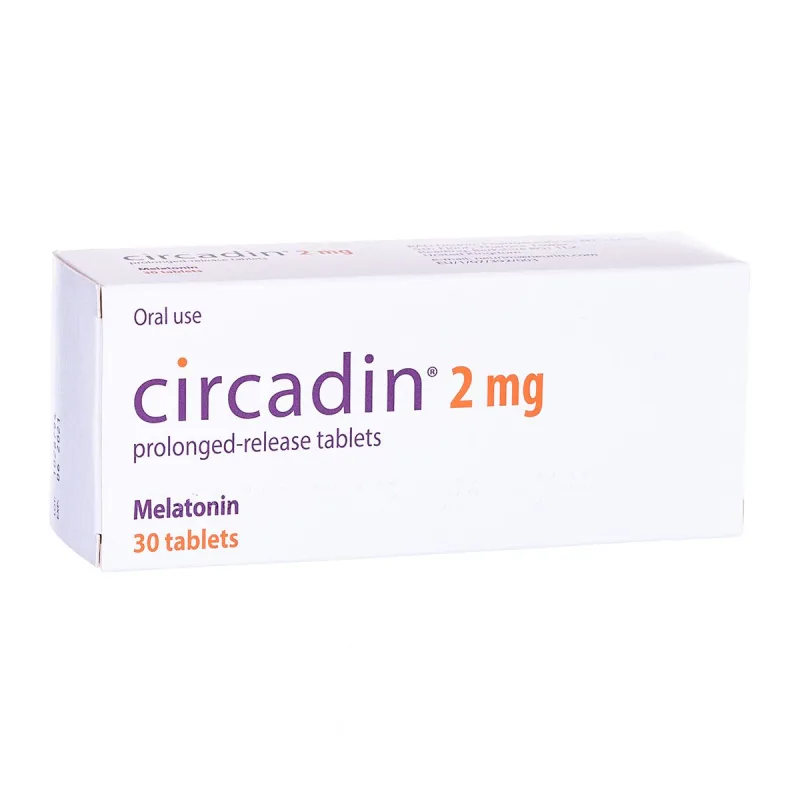
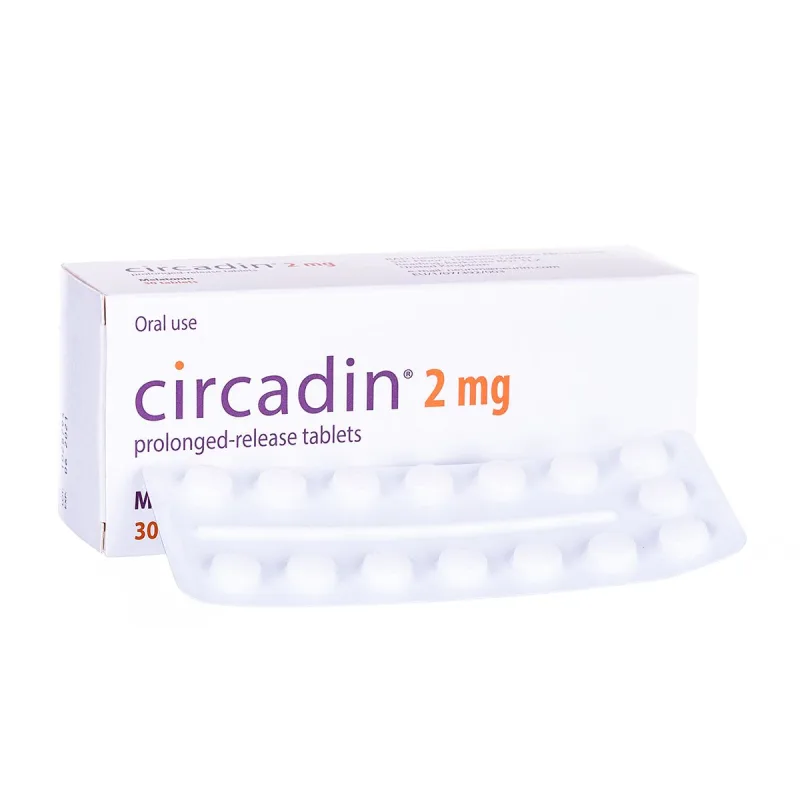
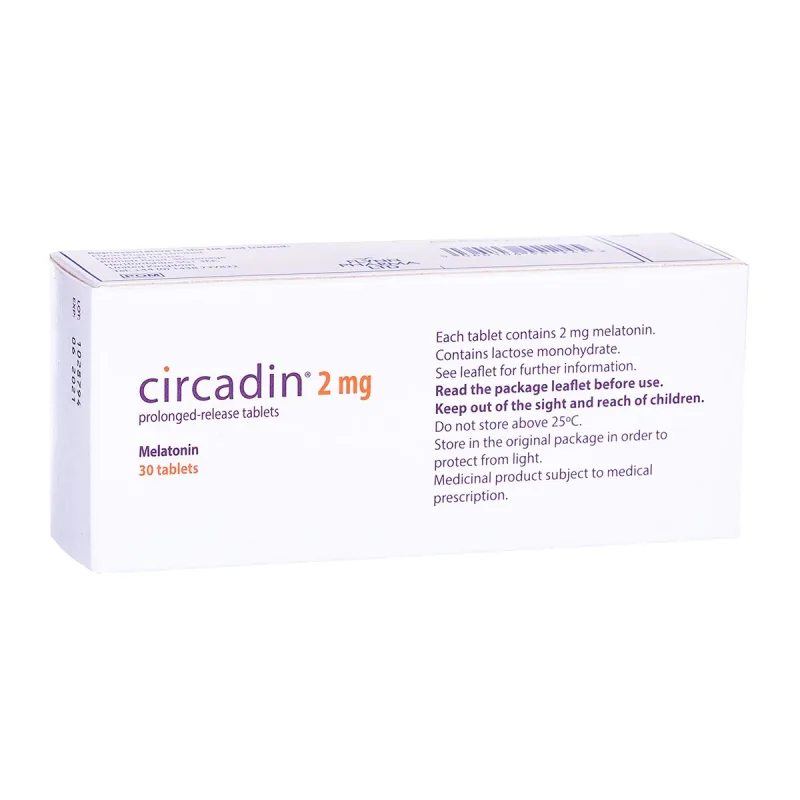
Images are for illustration only.
Melatonin 2mg Tablets
Melatonin is a prescription medicine for jet lag in adults. It's the same hormone your body makes at night to signal it's time to sleep. Taken at bedtime for a few nights after you arrive, it can help your body clock adjust to the new time zone.
Free online assessment with a UK prescriber



Melatonin is a prescription medicine used for a few nights to help with jet lag in adults. It's the same hormone your body makes in the evening to signal that it's time to sleep, and taking it at bedtime in your new time zone can help your body clock catch up. At MedsRus, a UK prescriber reviews a short online consultation before supplying it.
Melatonin at a glance
| Details | |
|---|---|
| Used for | Jet lag in adults, after flying across several time zones |
| When to take it | At your usual bedtime once you arrive, not before 8pm or after 4am |
| How long for | Up to 5 nights in a row |
| How to take it | Swallow with water, with or without food |
| Who can take it | Adults aged 18 and over |
| Alcohol | Best avoided, as it makes melatonin less effective |
| Prescription needed | Yes; melatonin isn't sold over the counter in the UK |
How does melatonin help jet lag?
Your body clock uses light and darkness to decide when you feel sleepy. As it gets dark, your brain releases more melatonin, which helps prepare you for sleep. In the morning light, levels fall again.
When you fly across several time zones, your body clock is still set to home time. Taking melatonin at bedtime in your new time zone gives your body a signal that it's night, which can help you fall asleep and adjust sooner. It isn't a strong sleeping tablet, and it works best alongside daylight and a regular routine at your destination.
How to take melatonin for jet lag
- Take the first dose on the evening you arrive, at your usual bedtime in the new time zone.
- Take it at bedtime on the following nights too, for up to 5 nights in a row. Don't take it before 8pm or after 4am.
- The usual dose is one or two tablets, as the prescriber and the leaflet advise.
- Swallow the tablet with water, with or without food.
- Avoid alcohol while you're taking it.
Melatonin can make you drowsy. Don't drive or use machinery for at least 8 hours after a dose if you feel sleepy.
Flying east or west
Jet lag is usually worse when you fly east, because your body has to adjust to an earlier bedtime. Our page on jet lag treatment explains how to adjust in each direction, and our article on melatonin for jet lag goes into more detail.
Side effects
Most people have no side effects, or only mild ones. The ones reported most often include:
- headache;
- feeling sleepy or dizzy during the day;
- irritability or restlessness;
- tummy pain or feeling sick;
- dry mouth.
Less common and rare side effects are listed in the patient leaflet. Stop taking melatonin and get medical help straight away if you have signs of a serious allergic reaction, such as swelling of the face, lips or throat, or difficulty breathing. If any side effect worries you, speak to our pharmacist or your GP.
Who shouldn't take melatonin?
Melatonin isn't suitable for anyone under 18. Speak to the prescriber before taking it if you:
- have liver or kidney problems;
- have an autoimmune disease;
- are pregnant, trying for a baby or breastfeeding;
- have been told you can't tolerate some sugars, such as lactose;
- smoke, as smoking can lower melatonin levels.
Medicines that affect melatonin
Tell the prescriber about every medicine you take. In particular:
- fluvoxamine (an antidepressant): don't take melatonin with it, as it raises melatonin levels a lot;
- quinolone antibiotics, such as ciprofloxacin, and cimetidine, which can also raise melatonin levels;
- the contraceptive pill or HRT (oestrogens), which can raise melatonin levels;
- carbamazepine and rifampicin, which can make melatonin less effective;
- sleeping tablets, benzodiazepines, other sedating medicines and some antidepressants such as imipramine, as the drowsiness can add up;
- warfarin: the prescriber will check whether melatonin is suitable.
Jet lag tips that don't need medicine
These simple steps can help you adjust, whether or not you take melatonin:
- Get plenty of sleep in the days before you fly.
- In the days before you travel, gradually move your bedtime towards the time at your destination: earlier if you're flying east, later if you're flying west.
- If it's night-time at your destination, try to sleep on the plane.
- Once you arrive, eat and sleep at local times.
- Spend time outside in daylight.
- Try not to nap during the day.
- Drink plenty of water, and avoid alcohol and too much caffeine.
- Move around on the flight when you can.
For more advice before you go, see our travel health page.
Is melatonin available on the NHS?
Melatonin isn't available on the NHS for jet lag. It's a prescription-only medicine in the UK, so it can't be bought over the counter in pharmacies or shops. You can get it privately after an online consultation.
How to get melatonin from MedsRus
- Complete a short consultation about your trip, your health and any medicines you take.
- A UK prescriber reviews it and, if melatonin is suitable, issues a prescription.
- We send it in discreet packaging. Order in good time before you travel.
Melatonin FAQs
Does melatonin help you sleep?
It can help you fall asleep at the right time when your body clock is out of step, for example after a long flight. Melatonin is the hormone that tells your body it's night-time, not a sedative, so the effect is gentler than a sleeping tablet. In the UK it's prescribed for jet lag and, for adults aged 55 and over, for short-term insomnia.
How long before bed should I take melatonin for jet lag?
Take it at your usual bedtime in your new time zone, but not before 8pm or after 4am. Follow the instructions on your label, as timing can vary between products.
Can I take melatonin on the plane?
The usual advice is to start on your first night after you arrive, at bedtime in the new time zone, rather than on the plane. Ask our pharmacist if your travel plans make this tricky.
Is melatonin available over the counter in the UK?
No. In the UK, melatonin is a prescription-only medicine. Supplements sold abroad or online aren't regulated as medicines here, so the dose and quality can vary.
Can I drink alcohol with melatonin?
It's best not to. Alcohol can make melatonin less effective and can disturb your sleep, which makes jet lag worse.
How many nights can I take melatonin for?
For jet lag, up to 5 nights in a row. If you're still struggling to sleep after that, speak to our pharmacist or your GP.
Sources: