


-400x400.webp "Yeast Infection and Pregnancy: Symptoms, Treatment, and Safety")
Pregnancy brings a lot of changes to your body, and your vaginal health is no exception. One of the most common issues pregnant women face is a yeast infection. In fact, yeast infection and pregnancy often go hand in hand due to the significant hormonal and physical shifts that happen over nine months.
The good news is that yeast infections during pregnancy are very treatable. Understanding the symptoms, knowing what is safe to use, and acting quickly can make a big difference for your comfort and peace of mind.
Related: Lactobacilli: Benefits, Uses, and How They Support Your Health
Why Yeast Infections Are More Common During Pregnancy
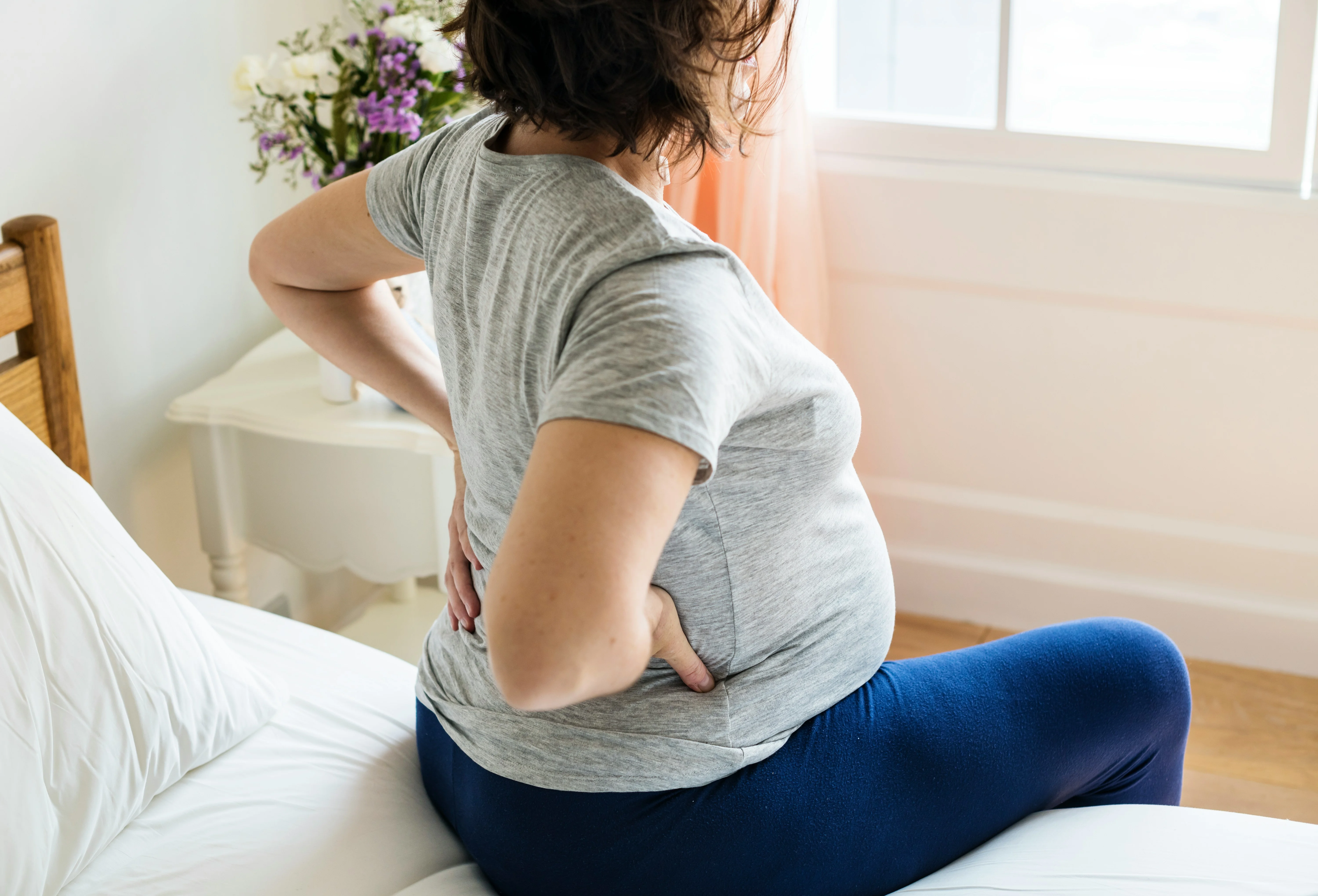
Yeast infections are caused by an overgrowth of a fungus called Candida albicans. While Candida naturally lives in the vagina in small amounts, pregnancy creates conditions that make it easier for it to grow out of control.
How Hormonal Changes Affect Vaginal pH
During pregnancy, oestrogen levels rise significantly. This hormonal shift changes the pH balance of the vagina, making it a more hospitable environment for yeast to thrive.
A higher oestrogen level also causes changes in the vaginal lining itself. These changes can reduce the body's natural ability to keep Candida in check, which is why yeast infection and pregnancy so frequently occur together.
The Role of Increased Glycogen in Yeast Overgrowth
Pregnancy also increases the amount of glycogen stored in vaginal tissue. Yeast feeds on sugar, and glycogen breaks down into glucose, giving Candida a rich food source.
This is one of the key biological reasons why yeast infections are so much more common during pregnancy than at other times. It is not a sign of poor hygiene or anything you have done wrong.
Why Immune Shifts in Pregnancy Create the Right Conditions
Your immune system naturally adjusts during pregnancy to protect the developing baby. As part of this, certain immune responses are temporarily dialled down.
This means your body may be slower to respond to an imbalance in vaginal flora. Combined with hormonal and glycogen changes, this immune shift is one more reason yeast infection and pregnancy tend to go hand in hand.
Pregnancy Yeast Infection Symptoms to Watch For
Recognising pregnancy yeast infection symptoms early gives you the best chance of getting treatment quickly and staying comfortable. Symptoms can range from mild to quite disruptive.
Classic Signs That Are Easy to Recognise
The most common symptoms include intense itching and irritation around the vagina and vulva. Many women also notice a thick, white, cottage cheese-like discharge that has little to no odour.
Burning during urination or sex is also common. If you notice these symptoms during pregnancy, a yeast infection is often the likely cause, though it is always worth confirming with a healthcare provider.
Symptoms That Can Be Confused With Other Conditions
Some pregnancy yeast infection symptoms overlap with other infections like bacterial vaginosis or sexually transmitted infections. For example, changes in discharge are common in all of these conditions.
Bacterial vaginosis, unlike a yeast infection, often produces a thin, grey or white discharge with a fishy smell. If you are unsure which condition you might have, getting tested is the safest step before starting any treatment.
When Symptoms Are Worth an Urgent Call to Your Doctor
If you develop a fever, pelvic pain, or symptoms that are not improving with treatment, contact your doctor promptly. These could indicate a more serious infection that needs a different approach.
You should also seek advice quickly if you are in your third trimester and symptoms are severe. A yeast infection and pregnancy in the later stages may require more careful management to avoid complications at delivery.
Can Yeast Infections Hurt My Pregnancy?
This is one of the most common concerns women have when they first notice symptoms. The reassuring answer is that, in most cases, a yeast infection does not pose a serious risk to your pregnancy.
What the Risk to Mother and Baby Actually Looks Like
For the majority of women, a yeast infection is uncomfortable but not dangerous. It does not typically travel into the uterus or affect the baby during pregnancy.
However, if you are asking "can yeast infections hurt my pregnancy," it is worth knowing that untreated infections can occasionally cause complications, particularly around the time of delivery. This is why treatment is recommended even if symptoms seem mild.
Rare Complications if Left Untreated
In rare cases, an untreated vaginal yeast infection pregnancy risk includes the possibility of passing the infection to the baby during a vaginal birth. This can cause oral thrush or a nappy rash in the newborn, both of which are treatable.
Leaving a yeast infection untreated can also increase discomfort over time and may make the infection harder to clear. It is always safer to treat it promptly under the guidance of a healthcare provider.
Why Early Treatment Matters
Treating a yeast infection early during pregnancy keeps you comfortable and reduces any small risk of complications. The longer an infection is left, the more the Candida can grow and the more irritated the vaginal tissue can become.
Early treatment also makes it easier to confirm you have a yeast infection rather than another condition. Your healthcare provider may recommend a swab test to be sure before prescribing treatment.
Safe Options for Yeast Infection During Pregnancy Treatment

Not all yeast infection treatments are considered safe during pregnancy. Knowing which options are appropriate can help you make informed choices in conversation with your doctor or pharmacist.
Topical Antifungals That Are Considered Safe
Yeast infection during pregnancy treatment typically involves topical antifungal creams or pessaries. Options such as clotrimazole are commonly recommended and have a well-established safety profile during pregnancy.
These treatments are applied directly to the affected area and work by disrupting the cell membrane of the Candida fungus. A longer course, such as seven days rather than the standard three, is often recommended during pregnancy to ensure the infection is fully cleared.
Why Oral Antifungals Are Generally Avoided
Oral antifungals like fluconazole are typically avoided during pregnancy, particularly in the first trimester. There are concerns about their potential effects on fetal development, and safe antifungals during pregnancy are generally topical rather than systemic.
Your doctor will advise on the most appropriate option based on how far along you are and how severe your symptoms are. Do not take oral antifungals during pregnancy without specific medical guidance.
What to Expect From Treatment and How Long It Takes
Most women see improvement within a few days of starting topical treatment. The full course should always be completed, even if symptoms ease earlier, to make sure the infection is fully resolved.
It is also worth reviewing lifestyle factors that can contribute to recurring infections, such as wearing breathable cotton underwear and avoiding scented products in the vaginal area. If yeast infection and pregnancy keep occurring together throughout your term, speak to your doctor about preventative strategies.
Get Safe, Discreet Treatment With MedsRUs
Dealing with a yeast infection during pregnancy can feel stressful, but you do not have to manage it alone. At MedsRUs, we make it easy to access the treatment you need from the comfort of your home.
Our online consultation process is simple and confidential. You fill out a short health assessment, a clinician reviews your information and approves your order, and your medication is dispensed and delivered straight to your door.
Whether you are looking for trusted women's health support or need help with a cystitis prescription, MedsRUs is here to help you get the care you need quickly and discreetly. Visit us today to get started.