



If you've been eating well and staying active but the scale has stopped moving, you're not imagining things. Your body may be working against your efforts in a very real, biological way. This is called metabolic adaptation, and it's one of the most common reasons people hit a wall during their weight loss journey.
Understanding why this happens — and what you can do about it — can make all the difference.
Related: What Is Hyperventilation? Causes, Symptoms, and How to Manage It
What Is Metabolic Adaptation and Why Does It Happen?
Metabolic adaptation is your body's natural response to eating less and losing weight. Rather than continuing to burn calories at the same rate, your metabolism slows down to conserve energy. It's a survival mechanism — one that's deeply wired into human biology.
This process can make weight loss feel frustratingly slow, even when you're doing everything right.
Your Body Treats Weight Loss as a Threat
From your body's perspective, losing weight signals a potential food shortage. In response, it becomes more efficient — burning fewer calories to keep you going on less fuel.
This isn't a sign that something is wrong with you. It's your body doing exactly what it was designed to do. The challenge is working with that biology rather than against it.
How Calorie Restriction Triggers the Response
When you cut calories, your body quickly picks up on the change. It responds by reducing energy expenditure adaptation across multiple systems — slowing your metabolism, lowering your body temperature slightly, and even reducing unconscious movement like fidgeting.
The longer and more severe the calorie restriction, the stronger this response tends to be. This is why crash diets often lead to fast initial results followed by a hard stop.
The Role of Adaptive Thermogenesis
Adaptive thermogenesis is a key part of metabolic adaptation. It refers to the way your body reduces the amount of heat (and therefore energy) it produces in response to dieting.
This means your body can end up burning significantly fewer calories per day than it did before you started losing weight — even at the same body weight. It's one of the most well-documented challenges in long-term weight management.
Ways Metabolic Adaptation Shows Up in Your Body
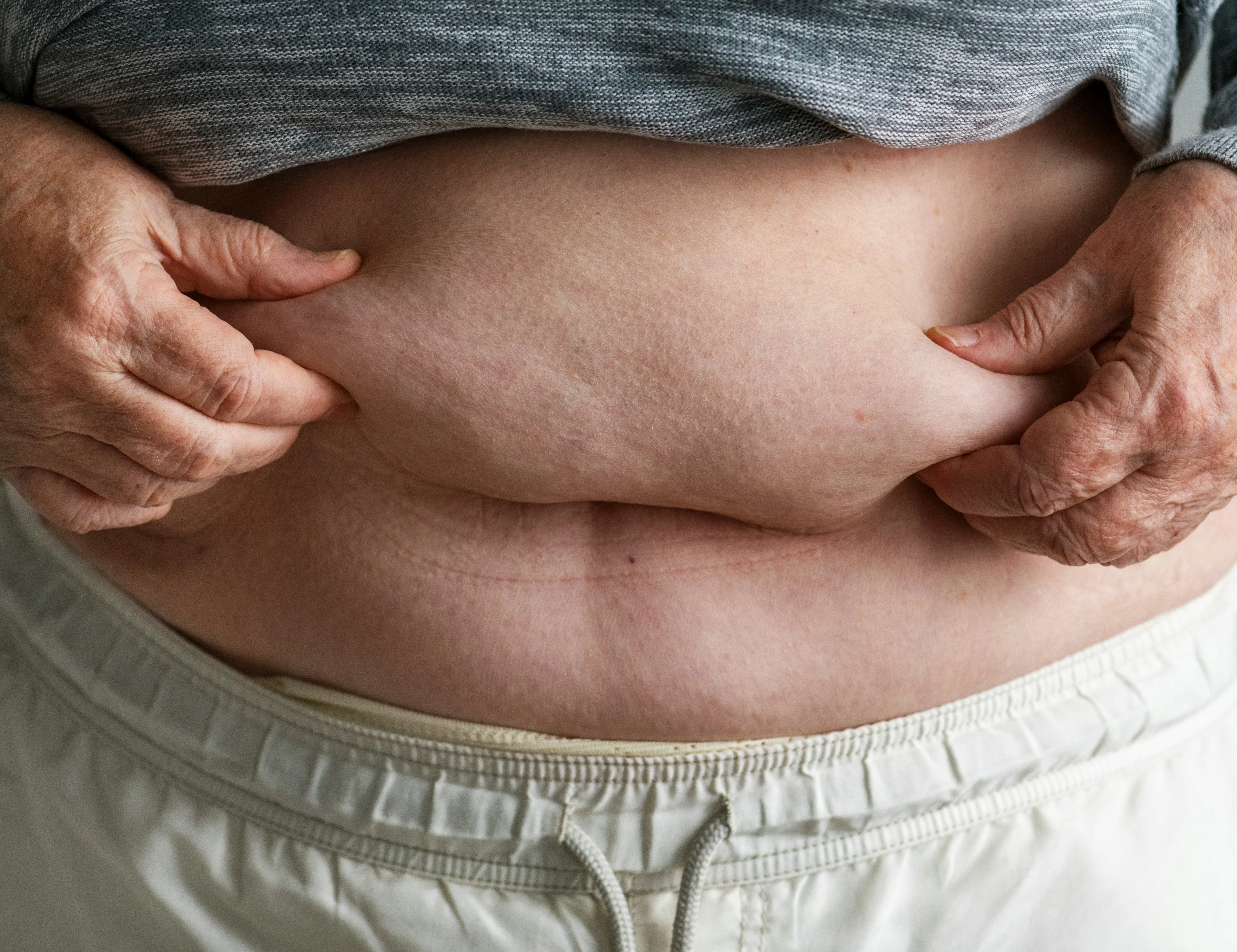
Metabolic adaptation doesn't just affect the number on the scale. It changes how your body functions at a deeper level. Recognising these signs can help you understand what your body is going through.
Your Resting Calorie Burn Drops
Your resting metabolic rate — the number of calories your body burns just to keep you alive — decreases as you lose weight. This happens partly because you have less body mass to support, but also because of metabolic adaptation itself.
The drop is often greater than what your size alone would predict. This gap is sometimes called the "metabolic gap," and it can persist even after weight loss stops.
Hormonal Regulation and Metabolism Shifts
Hormonal regulation and metabolism are closely linked during weight loss. Key hormones like leptin (which signals fullness) and thyroid hormones (which regulate metabolism) often decrease when you're in a calorie deficit.
At the same time, ghrelin — the hormone that makes you feel hungry — tends to rise. This hormonal shift can make it harder to stick to your plan and easier to regain weight once you stop dieting.
Physical Activity Becomes Less Efficient
Your body also adapts to exercise during weight loss. Over time, you burn fewer calories doing the same workout because your body becomes more efficient at the movements.
You may also move less without realising it — taking fewer steps, sitting more, or skipping small physical tasks. These subtle changes in non-exercise activity can add up and reduce your overall energy expenditure.
Common Reasons Your Weight Loss Has Stalled
A weight loss plateau can have several causes. Often, it's a combination of factors working together. Here are the most common ones tied to metabolic adaptation.
You've Been in a Deficit for Too Long
Extended calorie restriction gives your body more time to adapt. The longer you stay in a deficit, the more aggressively your metabolism may slow in response.
Taking planned breaks from dieting — sometimes called "diet breaks" — can help reset some of these adaptations and make it easier to continue losing weight over time.
Muscle Loss Has Slowed Your Metabolism
Muscle is metabolically active tissue, meaning it burns calories even at rest. When you lose weight, some of that loss may come from muscle — especially if you're not strength training or eating enough protein.
Less muscle means a lower resting metabolic rate, which makes further weight loss harder and increases the risk of hitting a plateau caused by metabolic adaptation.
Your Diet and Metabolism Are Out of Sync
Diet and metabolism need to work together for continued progress. If your calorie intake hasn't changed but your metabolism has slowed, you may no longer be in a true deficit — even though you're eating the same amount as when you were losing weight.
This is one of the main reasons why what worked at the start of your journey may stop working after a few months.
How to Break Through a Weight Loss Plateau
.webp)
The good news is that metabolic adaptation is not permanent. With the right approach, you can encourage your metabolism to recover and get your progress moving again.
Adjust Your Calorie Intake Strategically
Rather than cutting calories further, consider resetting your intake. Eating at or just above your maintenance level for a period of time — known as a "reverse diet" — can help restore some of the hormones and metabolic functions suppressed by long-term restriction.
This can feel counterintuitive, but it often leads to better long-term results than pushing deeper into a deficit.
Build Metabolic Flexibility Through Varied Eating
Metabolic flexibility refers to your body's ability to switch between fuel sources — like carbohydrates and fats — efficiently. Improving it can help your metabolism become more responsive and less likely to stall.
Varying your food intake, cycling between different calorie levels, and avoiding overly rigid eating patterns are all ways to support metabolic flexibility over time.
Incorporate Strength Training to Protect Muscle
Strength training is one of the most effective tools for countering metabolic adaptation. It helps preserve and build muscle mass, which keeps your resting metabolic rate higher during a calorie deficit.
Aim for at least two to three resistance sessions per week, and make sure you're eating enough protein to support muscle recovery. This combination can meaningfully offset the metabolic slowdown caused by dieting.
Get Back on Track With MedsRUs Weight Loss Support
If metabolic adaptation has stalled your progress, you don't have to figure it out alone. MedsRUs offers prescription weight loss support that works alongside your efforts — not against them.
Our online assessment takes just minutes, and your order is reviewed by a clinician before anything is dispensed. If approved, your medication is packaged and sent straight to your door with full tracking.
Take the next step and start your assessment with MedsRUs today.