


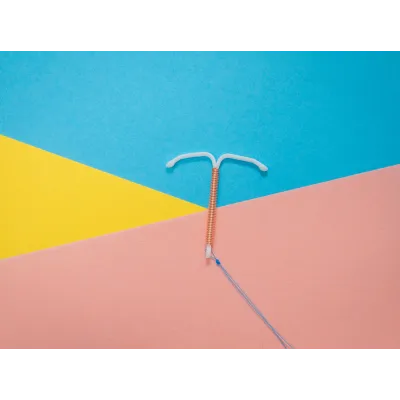
What Is An IUD?
An intrauterine device (IUD) is a small, T-shaped contraceptive coil inserted into the uterus by a trained healthcare professional to prevent pregnancy. It is one of the most widely used forms of long-acting reversible contraception (LARC) available, and for good reason — once in place, it requires no daily attention, can remain effective for years, and can be used by patients of all ages.
There are two main categories: the copper coil, which contains no hormones, and the hormonal coil, which releases a low dose of progestogen. Both are highly effective, and both are fully reversible.
According to NHS data, around 10% of women aged 15-49 in the UK use long-acting reversible contraception (LARC), including intrauterine devices (IUDs) and contraceptive implants. More specifically, IUDs and intrauterine systems (IUS) account for a significant share of LARC use, with roughly 8-10% of women of reproductive age choosing an intrauterine method as their preferred form of contraception.
The sections below provide everything you need to make a fully informed decision about whether an intrauterine device (IUD) is right for you.
Types of Intrauterine Device (IUD): Copper Coil vs. Hormonal Coil Explained
Birth control coils fall into two distinct categories. Understanding how each works makes it easier to decide which suits your health needs and lifestyle.
The Copper Coil (Non-Hormonal IUD)
This is a non hormonal IUD, making it a popular choice for those who want to avoid synthetic hormones entirely. Because copper ions are toxic to sperm, this option alters the uterine environment, making it hostile to implantation, impairing sperm motility, and preventing fertilisation.
One of its significant advantages is longevity: a copper coil can remain effective for up to 10–12 years, depending on the specific device. It also serves as the most effective form of emergency contraception available. When inserted within five days of unprotected sex, it is over 99% effective at preventing pregnancy.
There are no hormones involved, which means it does not interfere with your natural cycle, though it can affect period heaviness, which is covered in the side effects section below.
Hormonal Intrauterine Devices
Hormonal intrauterine devices work differently. They release a low, localised dose of levonorgestrel, a form of progestogen, which thickens cervical mucus (making it difficult for sperm to reach an egg) and thins the uterine lining. Because the hormone acts locally rather than systemically, the amount entering the bloodstream is very low compared to hormonal pills.
Duration options vary: some hormonal IUD birth control devices last three years, others five years, and newer models up to eight years. Brands such as Mirena, Kyleena, Liletta, and Skyla offer different sizes and hormone doses suited to different needs, though the right choice should always be guided by a clinician.
|
Feature |
Copper Coil |
Hormonal Coil |
|
Contains hormones |
No |
Yes (levonorgestrel) |
|
Duration |
Up to 10–12 years |
3, 5, or 8 years |
|
Effect on periods |
May increase bleeding |
Often reduces or stops periods |
|
Emergency contraception |
Yes (within 5 days) |
No |
|
Suitable for hormone-sensitive conditions |
Yes |
Discuss with clinician |
|
Works immediately |
Yes |
Yes (if inserted in first 7 days of cycle) |
How Effective Are IUDs, and How Long Do They Last?
Both copper and hormonal IUDs are over 99% effective at preventing pregnancy, placing them among the most reliable contraceptive methods available. Unlike the contraceptive pill, there is no daily action required, no timing to manage, and no room for human error once the device is in place.
The copper coil is effective immediately upon insertion, at any point in the cycle. Hormonal IUDs are also effective immediately if inserted within the first seven days of the menstrual cycle, but if inserted outside this window, a backup contraceptive method is recommended for the first seven days.
Exact lifespan varies by type and brand. While a copper coil can last up to 10-12 years, hormonal IUDs typically last three, five, or eight years depending on the specific IUC model chosen. All types can be removed earlier if circumstances change.
Reversibility is one of the IUD's greatest practical advantages. According to the CDC, fertility typically returns quickly after removal (often within the first cycle). For those considering the copper coil as emergency contraception, its effectiveness exceeds 99% when inserted within five days of unprotected sex, making it the most reliable emergency option available.
Though IUD failure rates are exceptionally low, no contraceptive method is 100% effective.
IUD Side Effects, Risks, and How They Differ by Type
IUD side effects are real, and differ meaningfully between copper and hormonal types. Understanding them is essential before making a decision.
Copper Coil Side Effects
The most commonly reported side effect of the copper coil is heavier, longer, or more painful periods, particularly in the first three to six months after insertion. For some, this settles with time; for others, it remains a persistent feature. Cramping immediately after insertion is also normal and typically resolves within a few days.
Because the this option contains no hormones, it does not suppress ovulation or directly alter hormone levels. This means it will not stop periods; in fact, the opposite is more likely in the short to medium term.
Hormonal Coil Side Effects
Irregular spotting or light bleeding is common in the first three to six months as the body adjusts to the localised progestogen. Over time, many users find their periods become significantly lighter. A frequently asked question is: “does the coil stop periods?” For the hormonal coil, the answer is yes — in some cases. Approximately 20% of hormonal IUD users experience an absence of periods (amenorrhoea) after 12 months of use, which is considered a normal and harmless effect of the thinning uterine lining.
Side effects of both types include:
- Cramping during and shortly after insertion
- Expulsion (of the device moving out of position or being expelled) which occurs in approximately 2–10% of users, more commonly in the first year
- Uterine perforation during insertion, a rare but serious risk affecting approximately 1 in 1,000 insertions
- IUDs do not protect against sexually transmitted infections (STIs)
Seek medical advice promptly if you cannot feel the IUD strings, experience severe or worsening pain, or notice signs of infection such as unusual discharge or fever. Temporary adjustment effects are expected; persistent or worsening symptoms are not.
UD Insertion and Removal: What the Process Actually Feels Like
IUD insertion is a clinical procedure that takes only a few minutes, though the preparation and aftercare are equally important to understand.
What Happens at the Appointment
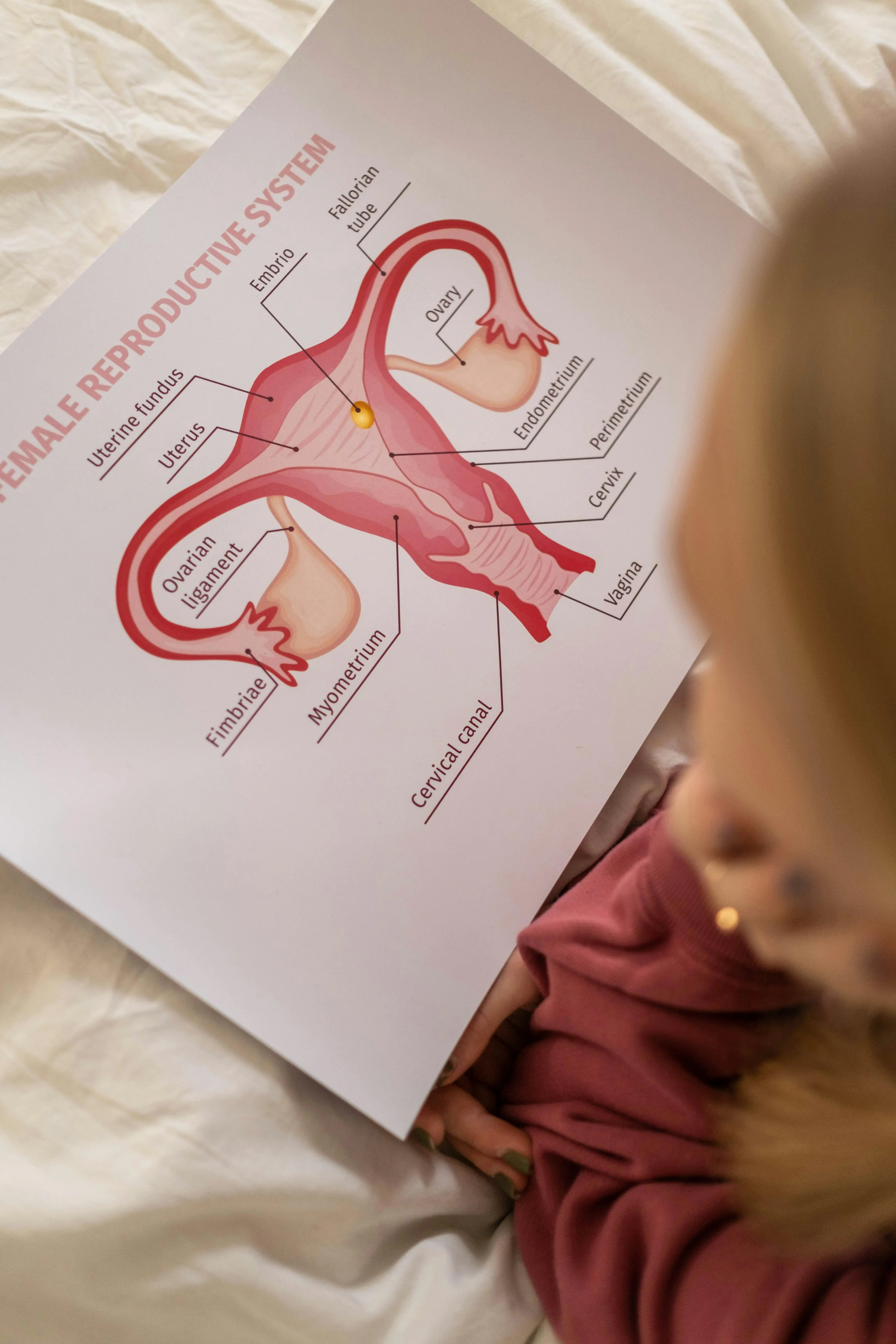
Before insertion, a clinician will review your medical history and discuss which type of contraceptive coil suits you. During the procedure itself, a speculum is inserted to allow access to the cervix. The clinician measures the uterine cavity using a thin probe, then places the intrauterine device through a narrow insertion tube, which typically takes five to ten minutes from start to finish.
Pain varies significantly between individuals. Cramping during insertion is common and can range from mild discomfort to more significant pain, particularly for those who have not given birth vaginally. Taking a pain reliever 30–60 minutes before the appointment can help, though local anaesthetic is available in some clinical settings and is worth requesting if you are concerned about pain. After insertion, cramping and light spotting can persist for a few days.
Checking the IUD strings periodically helps confirm the device remains in position. Your clinician will show you how to do this.
IUD Removal: What to Expect
Removal is generally quicker and less uncomfortable than insertion. A clinician uses a small instrument to grasp the strings and removes the device with a steady, gentle pull. Most people describe it as a brief cramp rather than significant pain. In most cases, the entire process takes under a minute.
Fertility typically returns within one to two cycles after removal, though some people conceive sooner. One of the practical advantages of LARC over some other hormonal methods is that there is no required waiting period before trying to conceive following intrauterine device removal.
How to Choose the Right IUD — and Where to Get One in the UK
Choosing between the two main types of birth control coils comes down to a handful of practical questions.
Key Questions to Help You Decide
Is an intrauterine device (IUD) right for my lifestyle?
An IUD is a great fit if you’re looking for a “set it and forget it” form of birth control. Once inserted, it works for 3–10 years (depending on the type). It’s ideal if you have a busy schedule or prefer not to think about contraception every day.
Do I want hormonal or non-hormonal birth control?
Hormonal IUDs release a small amount of progestin, which can lighten periods and reduce cramps. Non-hormonal (copper) IUDs don’t contain hormones but may cause heavier periods, especially in the first few months. Your preference here plays a big role in choosing the right option. If you prefer a non hormonal IUD, perhaps due to sensitivity to hormonal methods, a history of hormone-related conditions, or a personal preference, the copper coil is the clear option.
How important is effectiveness to me?
IUDs are over 99% effective, making them one of the most reliable birth control methods available. If avoiding pregnancy is a top priority, this level of effectiveness is a major advantage. If you need emergency contraception, only the copper coil qualifies (it must be fitted within five days of unprotected sex).
Am I comfortable with the insertion process?
Insertion is a quick in-clinic procedure, but it can be uncomfortable or crampy for some people. The discomfort is temporary, but it’s worth considering your pain tolerance and discussing options (like pain relief) with your provider.
Do I want a long-term or short-term solution?
IUDs are designed for long-term use, but they can be removed at any time. If you’re looking for something temporary or want flexibility to stop quickly, it’s good to know that fertility usually returns rapidly after removal. The copper coil offers the longest coverage (a decade or more without any intervention), but if you want flexibility or a shorter commitment, the three or five-year hormonal options may be a better fit.
How do I feel about changes to my period?
Hormonal IUDs often make periods lighter or even stop them altogether, while copper IUDs may make periods heavier at first. Think about how comfortable you are with these potential changes.
Do I have any underlying health conditions to consider?
Certain health conditions may influence whether an IUD is the best choice for you. For example, a history of pelvic infections or specific uterine conditions might require extra evaluation. A healthcare provider can help assess this.
Do I want a low-maintenance and discreet option?
IUDs are completely discreet. No one can tell you’re using one, and there’s nothing to remember daily. If privacy and convenience matter to you, this is a strong benefit.
What are the upfront and long-term costs?
While IUDs can have a higher upfront cost, they’re often cost-effective over time because they last for years. Depending on your access to prescription services or coverage, this can be a practical investment.
Can I access support or prescriptions easily?
Having reliable access to healthcare support, whether in-person or through services like online prescription delivery, can make the process smoother. Our online pharmacy service means you no longer have to spend weeks on a waiting list to get qualified clinical guidance on which contraceptive coil is right for you.
The final decision should always be made with a qualified clinician, but getting that conversation started has never been more efficient.
Conclusion

The intrauterine device (IUD) remains one of the most effective, convenient, and flexible contraceptive options available, with hormonal and non-hormonal types for a wide range of needs, health histories, and lifestyle preferences. Understanding the differences between them, what to expect from insertion and side effects, and how to access support is the first step toward making a confident, informed choice. Whether you are exploring contraception for the first time or reconsidering your current method, our trusted online pharmacy service can make that process accessible and easy.