


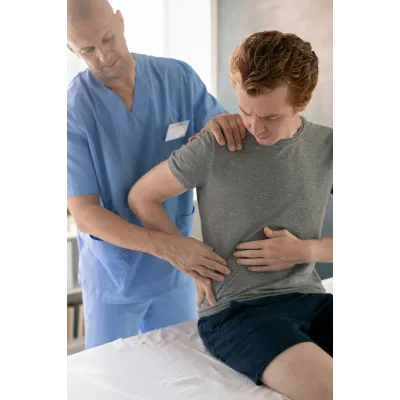
Gluteal tendinopathy is a condition that affects the tendons connecting the gluteal muscles to the hip. It causes pain in the buttock and outer hip area that can make everyday movements uncomfortable. While it's more common in middle-aged women and runners, it can affect anyone who puts repeated stress on the hip.
The good news is that gluteal tendinopathy is manageable. Understanding what causes it, how to spot it, and what treatment options are available can help you take the right steps toward relief.
Related: What Does White Blood Cells in Urine Mean and When Should You Act?
Common Causes of Gluteal Tendinopathy
Gluteal tendinopathy develops when the tendons in the hip area are put under more load than they can handle. This can happen gradually over time or following a sudden change in activity. Knowing the root cause can help guide the right treatment approach.
Overuse and Repetitive Movement
Repeating the same movements over and over puts continuous stress on the gluteal tendons. Runners, cyclists, and people who climb stairs regularly are particularly at risk. Over time, this repeated loading can cause small amounts of tendon damage that build up into a painful condition.
Sudden Increases in Activity
Starting a new exercise routine or dramatically increasing your training volume can overload the tendons before they've had time to adapt. This is a common trigger for gluteal tendinopathy in people who are returning to exercise after a break or who ramp up intensity too quickly.
Age-Related Tendon Changes
As we age, tendons naturally lose some of their elasticity and strength. This makes them more vulnerable to injury and slower to recover. Hormonal changes during menopause can also affect tendon health, which is one reason why this condition is particularly common in women over 40.
Poor Hip and Pelvic Mechanics
The way the hips and pelvis move during daily activities plays a big role in tendon health. Weakness in the hip muscles, altered walking patterns, or habitual positions like crossing the legs or standing with the hip dropped to one side can all increase the load on the gluteal tendons over time.
Recognising the Symptoms of Gluteal Tendinopathy

Gluteal tendinopathy symptoms can be easy to confuse with other hip or back problems. Knowing what to look out for helps you get the right diagnosis and the right care sooner.
Hip and Buttock Pain
The most noticeable symptom is a deep, aching pain on the outer side of the hip or in the buttock. This is often described as a constant dull ache that can flare up with certain movements or after periods of inactivity. The pain is typically felt on one side but can affect both hips.
Pain When Sitting or Crossing Your Legs
Sitting for long periods, especially on hard surfaces, often aggravates hip tendon pain. Crossing one leg over the other is a particular trigger because it stretches and compresses the gluteal tendon. Many people find that their symptoms are worse after sitting through long meetings, car journeys, or flights.
Tenderness Around the Hip Bone
Pressing on the bony point on the outer hip, known as the greater trochanter, will often produce sharp tenderness in people with gluteal tendinopathy. This sensitivity is a key sign that the tendons in that area are irritated or inflamed.
Symptoms That Worsen With Specific Movements
Activities like climbing stairs, walking uphill, or rising from a low chair can all bring on or worsen gluteal tendinopathy symptoms. These movements require the gluteal tendons to work harder, which increases the load on already sensitive tissue.
How Gluteal Tendinopathy Is Diagnosed
.webp)
Getting a proper diagnosis is an important first step before starting any treatment. A healthcare professional will use a combination of physical assessment and, where needed, imaging to confirm what's going on.
Physical Examination
A doctor or physiotherapist will usually begin by asking about your symptoms, when they started, and what makes them better or worse. They'll then carry out a physical assessment that includes specific movements and positions designed to reproduce your pain and identify the source.
Imaging Tests
In some cases, an ultrasound or MRI scan may be recommended to get a clearer picture of the tendon. These tests can show the extent of any tendon damage and help rule out other causes of hip pain. Imaging is especially useful if symptoms haven't improved with initial treatment.
Ruling Out Other Conditions
Hip pain can come from a number of different sources, including bursitis, referred pain from the lower back, or hip joint problems. A thorough assessment helps make sure that gluteal tendinopathy is the correct diagnosis before treatment begins, as the approach can vary significantly depending on the cause.
Treatment Options for Gluteal Tendinopathy
There is no single fix for gluteal tendinopathy, but a combination of approaches tends to work well for most people. Treatment focuses on reducing pain, improving tendon strength, and addressing the habits or movement patterns that contributed to the problem in the first place.
Rest and Load Management
One of the most important early steps is reducing the activities that are aggravating the tendon. This doesn't mean complete rest, which can actually slow recovery, but rather modifying your routine to avoid high-load movements while the tendon settles. Small changes like avoiding stairs where possible or adjusting your sitting position can make a meaningful difference.
Physiotherapy and Targeted Exercises
Gluteal tendinopathy exercises form the backbone of long-term recovery. A physiotherapist can design a progressive programme that gradually strengthens the gluteal muscles and improves hip mechanics without overloading the tendon.
Pain Relief Medication
Over-the-counter pain relief can help manage discomfort during recovery, particularly in the early stages when pain is more intense. Anti-inflammatory medications like ibuprofen may help reduce swelling and ease pain. In some cases, a doctor may recommend stronger options or a steroid injection if symptoms are severe or persistent.
For prescription pain relief support, MedsRUs offers a range of options through a straightforward online consultation process. You can explore available pain relief treatments here.
Get Pain Relief Support Through MedsRUs
Living with gluteal tendinopathy can affect your daily routine, your sleep, and your ability to stay active. You don't have to manage it alone. MedsRUs makes it easy to access prescription pain relief from the comfort of home, with a simple online assessment reviewed by a qualified clinician.
Visit MedsRUs pain relief today to find out what support is available for you.