



What Is Ehlers-Danlos Syndrome?
Ehlers-Danlos syndrome is not a single condition, but a group of 13 heritable connective tissue disorders that affect the structural integrity of the body. Connective tissue acts as the body's scaffolding, supporting skin, joints, blood vessels, and internal organs. When genetic changes that affect connective tissue structure or function are present, the result is tissue that is too fragile, too flexible, or both.
As Lara Bloom, CEO of The Ehlers-Danlos Society, explains: "Ehlers-Danlos syndromes are hereditary connective tissue disorders causing joint hypermobility, instability, and various structural weaknesses that require comprehensive rare disease management strategies."
Severity ranges considerably, from manageable joint hypermobility to life-threatening vascular complications. According to research highlighted by Yahoo Finance, Hypermobile Ehlers-Danlos Syndrome (hEDS) accounts for 90% of all EDS cases, making it the most prevalent subtype by a significant margin.
Related: Is It Asthma vs Anxiety Attack? Key Signs to Help You Identify
How Common Is EDS?
Understanding how common EDS is requires looking beyond a single prevalence figure. Ehlers-Danlos syndromes affect people across all genders, ethnicities, and age groups, though diagnosis is frequently delayed, particularly in women, whose symptoms are often attributed to anxiety or other conditions for years before EDS is considered.
|
EDS Subtype |
Prevalence |
Genetic Cause Known? |
|
Hypermobile EDS (hEDS) |
1 in 3,100–5,000 |
No |
|
Classical EDS (cEDS) |
1 in 20,000–40,000 |
Yes (COL5A1/COL5A2) |
|
Vascular EDS (vEDS) |
1 in 100,000–200,000 |
Yes (COL3A1) |
|
Rarer subtypes (10 types) |
Below 1 in 1,000,000 |
Mostly yes |
Approximately 10% of the general population has joint hypermobility, but EDS is a distinct clinical diagnosis requiring formal criteria to be met. Diagnosis is further complicated by significant overlap with other conditions, contributing to the delays many patients experience.
The 13 Types of Ehlers-Danlos Syndrome Explained
The Ehlers-Danlos syndrome types represent a spectrum of inherited disorders that affect connective tissues through different genetic mechanisms. For most subtypes, genetic testing can confirm a diagnosis. The notable exception is hEDS, where no causative gene has yet been identified, meaning diagnosis relies entirely on clinical assessment.
Hypermobile EDS (hEDS)
Hypermobile Ehlers-Danlos syndrome is diagnosed without a confirmed genetic marker, a fact that continues to challenge both clinicians and researchers. Diagnosis follows the 2017 International Classification criteria, requiring evidence of generalised joint hypermobility (scored using the Beighton scale), specific musculoskeletal features, and a family history consistent with EDS, with other conditions excluded.
Clinically, hEDS presents with widespread joint hypermobility, chronic musculoskeletal pain, soft and mildly extensible skin, persistent fatigue, and autonomic symptoms including postural orthostatic tachycardia syndrome (POTS). Research highlighted by Yahoo Finance confirms that hEDS accounts for 90% of all EDS diagnoses.
Classical EDS (cEDS)
Classical EDS is characterised by marked skin hyperextensibility, atrophic scarring particularly over pressure points such as the knees and elbows, fragile skin, and joint hypermobility. It is caused by mutations in COL5A1 or COL5A2, genes that produce type V collagen, a critical component in regulating the structure of type I collagen fibres. Prevalence sits at approximately 1 in 20,000 to 40,000. Wound healing complications are common; even minor injuries can result in wide, papyraceous scars that take significantly longer to close than in unaffected individuals.
Vascular EDS (vEDS)
Vascular EDS is the most serious subtype. Caused by mutations in COL3A1 affecting type III collagen — the structural protein found in blood vessel walls, the bowel, and the uterus — vEDS carries significant risks of spontaneous arterial rupture, bowel perforation, and uterine rupture during pregnancy. Characteristic facial features include thin lips, a pinched nose, prominent eyes, and hollow cheeks. Prevalence is estimated at 1 in 100,000 to 200,000, and the life-threatening risk profile distinguishes vEDS from all other subtypes.
The Ten Less-Common EDS Types
- Kyphoscoliotic EDS (kEDS): Progressive scoliosis, muscle weakness, ocular fragility — PLOD1 or FKBP14 mutations
- Arthrochalasia EDS (aEDS): Severe joint laxity, congenital hip dislocations — COL1A1 or COL1A2 mutations
- Periodontal EDS (pEDS): Severe, early-onset gum disease, pretibial plaques — C1R or C1S mutations
- Brittle Cornea Syndrome (BCS): Corneal fragility, risk of rupture — ZNF469 or PRDM5 mutations
- Spondylodysplastic EDS (spEDS): Short stature, bowing of limbs — B4GALT7 or B3GALT6 mutations
- Classical-like EDS (clEDS): Skin hyperextensibility without scarring — TNXB mutations
- Musculocontractural EDS (mcEDS): Congenital contractures, facial dysmorphisms — CHST14 or DSE mutations
- Myopathic EDS (mEDS): Muscle weakness and contractures — COL12A1 mutations
- Cardiac-valvular EDS (cvEDS): Severe cardiac valve problems — COL1A2 mutations
- Dermatosparaxis EDS (dEDS): Extreme skin fragility, sagging skin — ADAMTS2 mutations
Signs and Symptoms of EDS: What to Look For
EDS produces a broad symptom spectrum that varies significantly between subtypes and even between individuals within the same subtype. Core features shared across most types include joint hypermobility, joint instability, chronic joint and muscle pain, frequent dislocations and subluxations, skin hyperextensibility and fragility, easy bruising, delayed wound healing, and persistent fatigue. Autonomic dysfunction — particularly POTS — is especially prevalent in hEDS.
This variability is a defining challenge as symptoms do not exist in isolation. Those stemming directly from collagen defects (joint instability, skin fragility, fatigue) are frequently accompanied over time by secondary complications such as anxiety, depression, and physical deconditioning, which develop as consequences of chronic pain and reduced mobility.
What Causes EDS? Genetics and Connective Tissue Explained
EDS is caused by mutations in genes responsible for producing or processing collagen and other structural proteins. Collagen forms a physical scaffold throughout the body, and when it is structurally defective due to genetic changes that affect connective tissue, the result is tissue that lacks appropriate tensile strength, leading to fragility, laxity, and instability.
Most EDS subtypes follow an autosomal dominant inheritance pattern, meaning a single copy of the mutated gene is sufficient to cause the condition. Rarer subtypes, including kyphoscoliotic and musculocontractural EDS, follow autosomal recessive patterns, requiring mutations in both gene copies. For hEDS, no causative gene has been identified, making it a clinical diagnosis.
A frequently asked patient question is why severity varies so dramatically between individuals sharing the same mutation. The answer lies in modifying genes; secondary genetic variants that influence how the primary mutation is expressed. Environmental factors such as physical activity levels, hormonal changes, and prior injuries further shape outcomes. Epigenetic mechanisms, which alter gene expression without changing the underlying DNA sequence, add another layer of complexity. This phenotype-genotype discordance means that even identical twins with the same EDS mutation may have substantially different clinical presentations.
Complications of EDS: Beyond Joint Hypermobility
EDS complications extend well beyond the joints, affecting multiple body systems in ways that significantly impact long-term health and quality of life.
Cardiovascular: Mitral valve prolapse, aortic root dilation, and POTS are particularly associated with hEDS. POTS causes debilitating symptoms, including rapid heart rate, dizziness, and fainting upon standing, and affects a substantial proportion of hEDS patients.
Gastrointestinal: Gastroparesis, chronic constipation, and pelvic organ prolapse are common. In vEDS, bowel rupture is a life-threatening risk requiring immediate surgical intervention.
Musculoskeletal: Repetitive joint injuries accelerate cartilage degradation, leading to early-onset osteoarthritis. Chronic pain and muscle weakness create a cycle of deconditioning that compounds mobility difficulties.
Neurological: Chiari malformation and tethered cord syndrome are increasingly documented in EDS populations, though research in this area is still developing.
Ocular: Brittle Cornea Syndrome carries a risk of spontaneous corneal rupture even from minor trauma.
Reproductive: Pregnancy in vEDS carries an elevated risk of uterine rupture. All EDS types require careful obstetric planning and monitoring.
Mental health: Rates of anxiety and depression are significantly higher in EDS populations than in the general population — a consequence of chronic pain, diagnostic delays, and functional limitations that affect employment and education.
As Dr. Huang, a specialist in EDS diagnosis and nutritional management, explains: "EDS causes weakness throughout the body, and patients benefit from comprehensive treatment plans that include dietary modifications such as increased protein intake to support strength building."
Diagnosing EDS: Why It Takes So Long and What to Expect

For most types, genetic testing confirms the diagnosis. For hEDS, clinical assessment alone is used, following a three-criteria framework covering joint hypermobility scores, musculoskeletal features, and family history.
EDS is commonly misdiagnosed as fibromyalgia, hypermobility spectrum disorder (HSD), rheumatoid arthritis, or anxiety. The distinction between HSD and hEDS is particularly important: HSD involves joint hypermobility with associated symptoms but does not meet the full hEDS clinical criteria. They are separate diagnoses requiring different management approaches.
Diagnostic delays of many years remain the norm. Patients often consult multiple specialists before EDS is identified. Following a suspected diagnosis, care typically involves a multidisciplinary team — a clinical geneticist, rheumatologist, cardiologist (essential for vEDS), and a physiotherapist with connective tissue disorder experience — each addressing distinct aspects of the condition.
Managing EDS: Treatment, Physical Activity, and Daily Life
There is currently no cure for EDS. Management is symptomatic, long-term, and requires a multidisciplinary team. For patients managing complex ongoing prescription regimens, fast, easy access to prescription medications online without GP referral delays can make a meaningful difference in maintaining consistent treatment.
Physiotherapy is the cornerstone of EDS management, focused on joint stabilisation and graduated muscle strengthening to reduce instability and dislocation frequency. Occupational therapy supports daily function and workplace adaptations. Pain management options include pain-relieving medications and treatments, nerve blocks, and psychological pain management programmes. Surgical intervention is used cautiously, given the tissue fragility that characterises most EDS types.
Exercise guidance requires careful tailoring. Low-impact activities, such as swimming, Pilates, cycling, and hydrotherapy, are generally recommended across EDS types because they build supporting muscle without placing excessive load on unstable joints. High-impact and contact sports carry elevated risk of dislocation and tissue injury, particularly for hEDS and cEDS. Guidance varies by subtype and individual presentation.
The pacing and practice of managing activity to avoid post-exertional symptom flares is essential for patients with significant fatigue. Assistive devices, including orthotic bracing, splints, and compression garments, support joint stability during daily activities.
Patients with EDS benefit most from comprehensive, individually tailored treatment plans that address both structural and systemic aspects of the condition. reinforcing why specialist multidisciplinary input remains central to effective long-term management.
Emerging Research and the Future of EDS Treatment
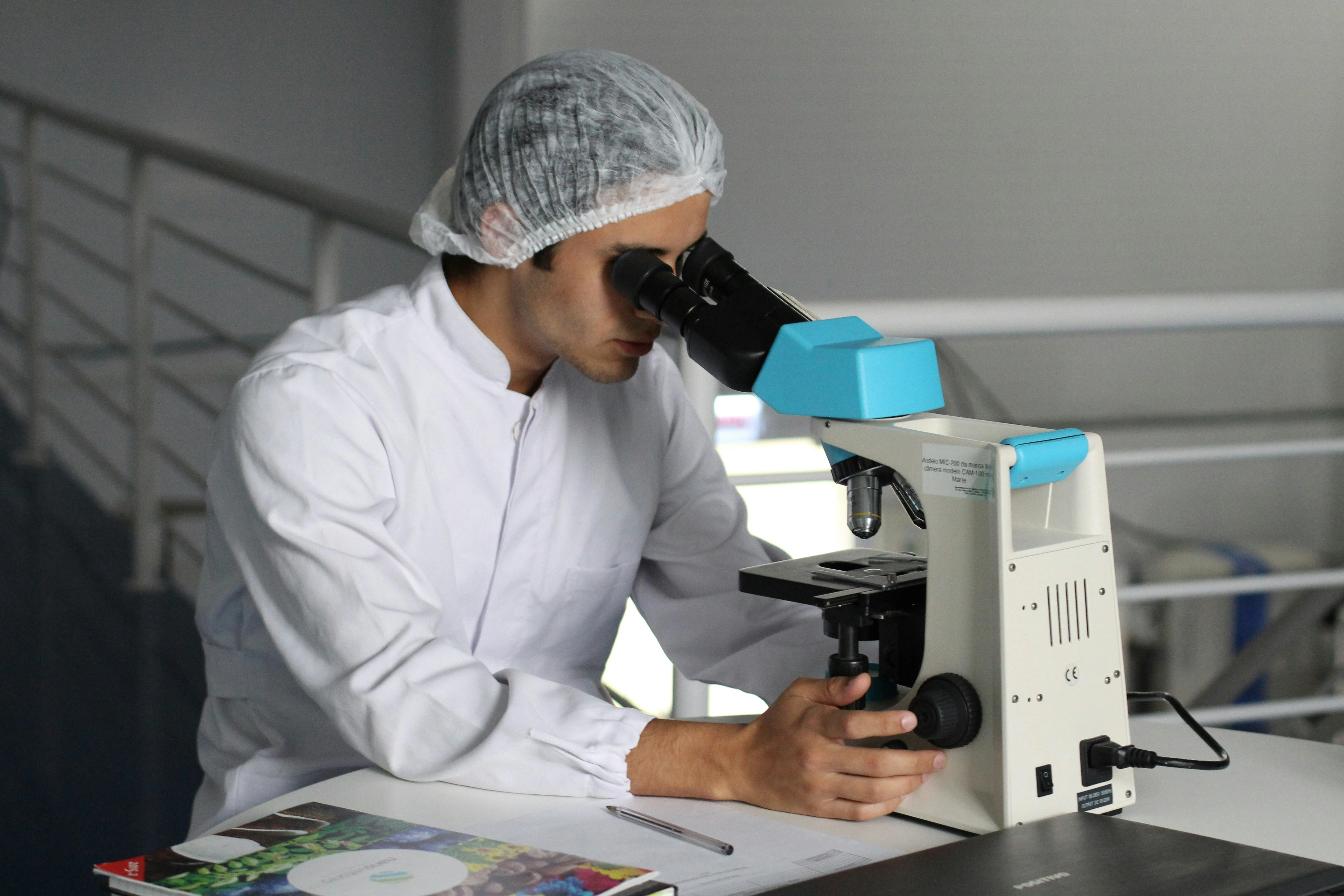
Significant research momentum is building around EDS, offering genuine reasons for optimism. According to The EDS Clinic, the Ehlers-Danlos Syndrome treatment market is projected to grow at a CAGR of 18.9% from 2024 to 2034 — a signal of accelerating pharmaceutical and clinical investment in the field. Gene therapy also represents a long-term research direction, though it remains preclinical for EDS applications.
Ehlers-Danlos syndrome encompasses a complex, wide-ranging group of conditions that affect individuals differently depending on subtype, genetics, and personal health history. Early, accurate diagnosis and access to specialist multidisciplinary care remain the most important factors in managing outcomes effectively.
If you or someone you care for is managing EDS and requires ongoing specialist medications, an online pharmacy offering fast, easy access to prescription medications online without GP referral delays can provide expert guidance and convenient dispensing to support your treatment plan.
MedsRUs is here to help — Simply complete an online assessment, and our clinical team will review your case and guide you toward the right treatment, discreetly, affordably, and on your terms.