


-400x400.webp "Viral vs. Bacterial Infection")
When you're feeling unwell, knowing whether you're dealing with a viral or bacterial infection can make all the difference in your recovery. The type of infection you have determines the right treatment approach and how quickly you'll feel better.
Many people assume all infections need antibiotics, but that's not the case. Understanding viral vs. bacterial infections helps you make informed decisions about your health and avoid unnecessary medications.
Related: How to Break a Weight Loss Plateau
What Makes Viral and Bacterial Infections Different

The fundamental difference between these two types of infections lies in what causes them and how they affect your body. While both can make you feel miserable, they operate in completely different ways.
How Viruses Work in Your Body
Viruses are tiny infectious agents that can't survive on their own. They need to invade your cells to reproduce and spread.
Once inside your cells, viruses hijack your body's machinery to make copies of themselves. This process damages or destroys your cells, which triggers your immune system to respond. Common viral infections include colds, flu, COVID-19, and most sore throats.
How Bacteria Function and Spread
Bacteria are single-celled organisms that can live independently. Many bacteria are actually helpful and live in your gut, on your skin, and throughout your body without causing harm.
However, harmful bacteria can multiply rapidly and release toxins that damage your tissues. Bacterial infections often affect specific areas of your body, like your throat, urinary tract, or skin. Examples include strep throat, urinary tract infections, and some types of pneumonia.
Key Biological Differences Between the Two
The size difference alone is remarkable. Bacteria are much larger than viruses and have complex cell structures. Viruses are so small that they can only be seen with powerful electron microscopes.
Bacteria can be killed by antibiotics that target their cell walls or internal processes. Viruses, lacking these structures, aren't affected by antibiotics at all. This is why the distinction between viral vs. bacterial infections matters so much for treatment.
Common Bacterial Infection Symptoms to Watch For
Bacterial infection symptoms often have distinct characteristics that set them apart from viral illnesses. Recognizing these signs helps you know when you might need medical attention.
Localized Pain and Swelling
Bacterial infections typically concentrate in one area of your body. You might notice swelling, redness, and warmth around the infected site.
For example, a bacterial skin infection will show obvious inflammation in one spot. A bacterial ear infection causes pain primarily in the affected ear. This localization is a key indicator.
Persistent High Fever
While both types of infections can cause fever, bacterial infections often bring sustained high temperatures. Fevers above 101°F (38.3°C) that last several days may signal a bacterial cause.
The fever from a bacterial infection typically remains steady rather than coming and going. It often doesn't improve much with over-the-counter fever reducers.
Discolored Mucus or Discharge
Thick, colored discharge is often a sign of bacterial infection. If you're coughing up yellow, green, or brown mucus, bacteria might be the culprit.
Similarly, bacterial sinus infections produce thick, colored nasal discharge. Bacterial infections in other areas may also create pus or cloudy discharge. These visual cues help doctors determine when antibiotics might be necessary.
Symptoms That Worsen Over Time
Bacterial infection symptoms often get progressively worse without treatment. What starts as mild discomfort can escalate to severe pain or complications.
If your symptoms are intensifying after three to five days, rather than improving, a bacterial infection becomes more likely. This pattern differs from most viral infections, which typically peak and then improve.
Recognizing Viral Infection Symptoms
Viral infection symptoms tend to follow different patterns than bacterial ones. Learning to spot these differences helps you understand what your body is fighting.
Body Aches and Fatigue
Widespread body aches are classic signs of viral infections. You might feel like you've been hit by a truck, with soreness throughout your muscles.
Extreme fatigue often accompanies viral illnesses. This isn't just normal tiredness but a profound exhaustion that makes even simple tasks feel overwhelming. Your body is directing massive energy toward fighting off the virus.
Gradual Onset of Symptoms
Viral infections often start slowly. You might notice a scratchy throat one day, then feel slightly tired the next, with symptoms building over several days.
This gradual progression differs from some bacterial infections that can hit suddenly and hard. The slow build-up is your immune system ramping up its response to the viral invader.
Clear or White Mucus
If you're producing mucus, clear or white discharge typically indicates a viral cause. This is one of the clearest infection treatment differences when comparing the two types.
Runny noses with clear fluid are hallmarks of viral upper respiratory infections. Mucus color alone isn't definitive, but it's a helpful clue alongside other symptoms.
Symptoms That Improve Within a Week
Most viral infections follow a predictable timeline. Symptoms peak around day three to five, then gradually improve.
You should notice steady improvement within seven to ten days for common viral illnesses. If you're not seeing this pattern, it might indicate a secondary bacterial infection has developed or you're dealing with something else entirely.
Effective Home Remedies Viral vs Bacterial Infections Respond To
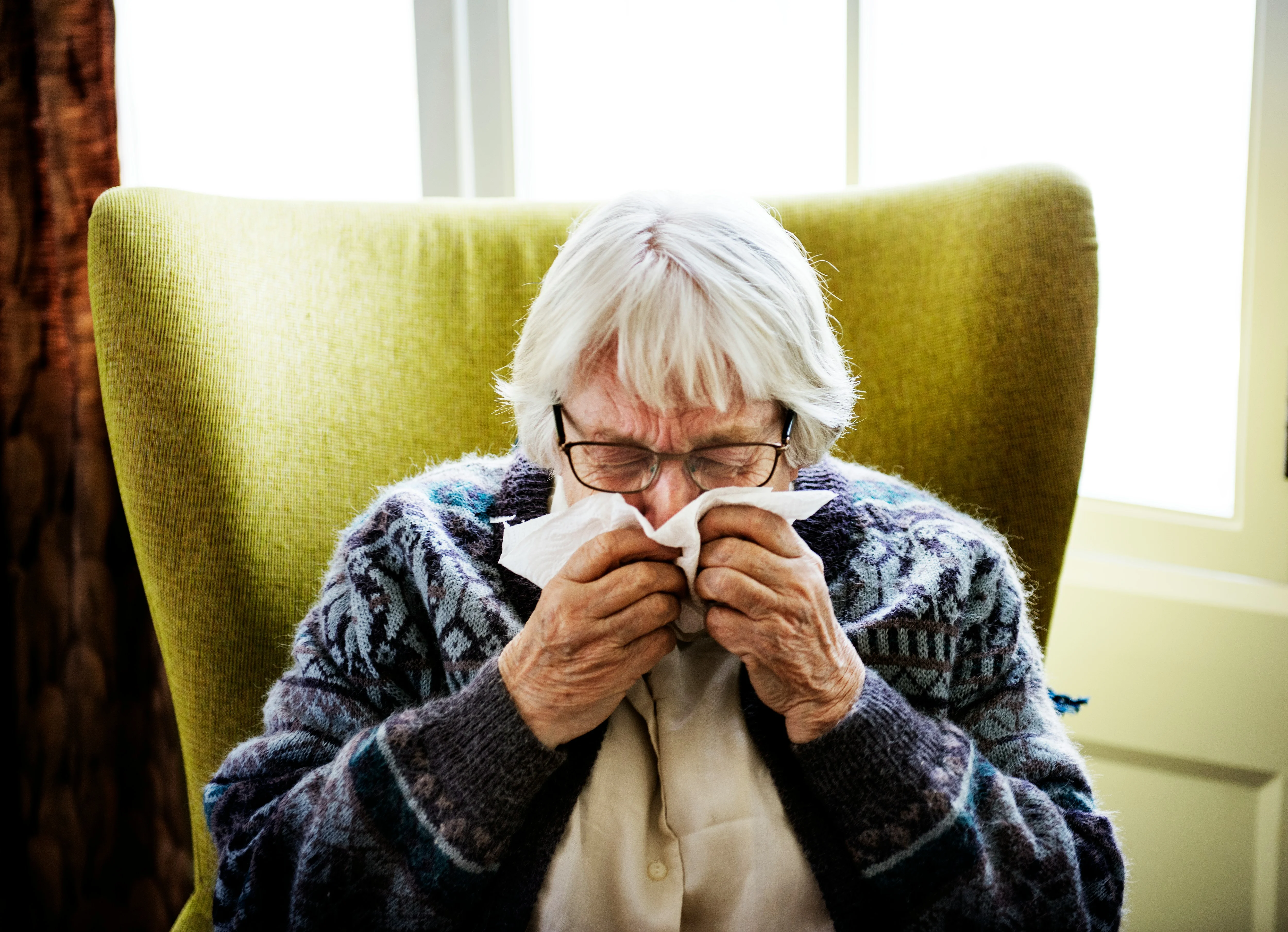
While the underlying causes differ, both viral vs. bacterial infections respond to certain supportive care measures. These remedies won't cure infections but can ease symptoms and support recovery.
Rest and Hydration for Both Types
Your body needs extra rest to fight any infection effectively. Sleep allows your immune system to work at full capacity.
Staying well-hydrated helps thin mucus, prevents dehydration from fever, and supports all your body's functions. Drink water, herbal tea, or warm broths throughout the day. Avoid alcohol and excessive caffeine, which can dehydrate you further.
Managing Fever and Discomfort
Over-the-counter pain relievers like paracetamol or ibuprofen can reduce fever and ease aches. Follow dosing instructions carefully and don't combine multiple medications without checking.
Warm compresses can soothe localized pain from both types of infections. Cool compresses or lukewarm baths help manage fever. Throat lozenges, saline nasal sprays, and humidifiers provide additional comfort for respiratory symptoms.
When Home Care Isn't Enough
Some situations require professional medical attention regardless of whether you have a viral or bacterial infection. Seek help if your fever exceeds 103°F (39.4°C), if symptoms persist beyond ten days, or if you develop difficulty breathing.
Certain people face higher risks from infections, including young children, elderly individuals, pregnant women, and those with weakened immune systems. If you fall into these categories, don't hesitate to contact a healthcare provider sooner rather than later.
Get Expert Care and Treatment with Medsrus
Understanding the difference between a viral vs. bacterial infection is the first step toward proper treatment. At Medsrus, we make it easy to access the care you need when you're unwell.
Our online platform connects you with qualified clinicians who can assess your symptoms and prescribe appropriate treatment. Whether you need antibiotics for bacterial infection, symptom management advice, or guidance on when to seek additional care, we're here to help.
Complete a simple assessment form, and our medical team will review your case promptly. We offer competitive pricing and fast, discreet delivery to your door. From pain relief medications to antibiotics like Doxycycline, we provide the treatments you need with the convenience you deserve.
Don't let uncertainty about your infection slow down your recovery. Visit Medsrus today and get expert guidance from the comfort of your home.