


Naproxen and Naproxen EC
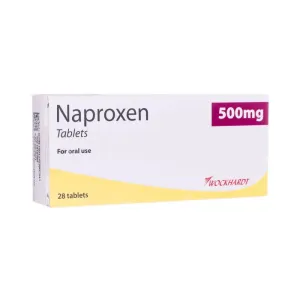
Naproxen is a prescription anti-inflammatory painkiller for joint, back, muscle and period pain, usually taken twice a day with food. It comes as standard tablets or EC (gastro-resistant) tablets.
Assessment
General Health Questions
Condition Specific Questions
Treatments
Please complete and submit the following consultation
The information you give us is kept confidential and is reviewed by a UK prescriber: a GMC-registered doctor or a GPhC-registered pharmacist independent prescriber. Our prescribers use these questions to make sure the treatment is appropriate and safe for you.
Back & Joint Pain Relief Treatments
Before we can issue a treatment, you’ll need to answer a short assessment. This assessment will help us recommend the right treatment for you.
Start Assessment Dispensed by registered UK pharmacists
 100% genuine medicine sourced in the UK

Back & Joint Pain Relief
Most aches and pains, from a stiff back to a sprained ankle, get better on their own within a few weeks. The right painkiller keeps you moving while that happens, and moving is often what helps you recover fastest. When over-the-counter tablets aren't enough, a prescription anti-inflammatory such as naproxen can make a real difference. MedsRus offers naproxen and naproxen EC after a short online consultation with a UK prescriber.
Which painkiller for which pain?
Different painkillers work in different ways, so matching the medicine to the type of pain matters.
| Type of pain | Often helped by |
|---|---|
| Headache, toothache, general aches | Paracetamol or ibuprofen |
| Back pain, sprains, strains | An anti-inflammatory (ibuprofen, or naproxen on prescription) |
| Joint pain and stiffness, including arthritis flares | An anti-inflammatory, plus gentle exercise |
| Period pain | An anti-inflammatory. See our period pain relief page |
| Migraine | Specific migraine treatments. See our migraine treatments |
If one medicine isn't working, a pharmacist can tell you whether it's safe to combine paracetamol with an anti-inflammatory, which often helps more than either on its own.
How anti-inflammatory painkillers work
Anti-inflammatories, also called NSAIDs, reduce the chemicals your body makes when tissue is injured or inflamed. That eases pain and swelling at the same time, which is why they suit injuries, back pain and joint problems better than paracetamol does.
Ibuprofen is the one most people know. Naproxen works in a similar way but lasts longer, so you only need to take it twice a day.
Naproxen and naproxen EC
Naproxen is a prescription anti-inflammatory used for:
- back pain and muscle pain;
- sprains and strains;
- joint pain, including osteoarthritis and gout flares;
- period pain.
It comes in two forms:
- Naproxen tablets start working within about an hour, so they suit short bursts of pain.
- Naproxen EC (enteric-coated) tablets have a coating that stops them dissolving until they reach the gut. They take longer to work, so they suit regular use over a few days.
Take naproxen with or just after food, and use the lowest dose that controls your pain for the shortest time.
Is naproxen safe?
For most people, a short course is safe. Like all anti-inflammatories, it can irritate the stomach, and occasionally cause bleeding or an ulcer. The risk is higher if you're over 65, take it for a long time, or take other medicines such as blood thinners or steroids. If you're at higher risk, the prescriber may suggest a stomach-protecting medicine such as omeprazole, which you can find in our acid reflux section.
Who shouldn't take naproxen
It may not be suitable if you:
- have had a stomach ulcer or bleeding;
- have heart failure, heart disease or kidney problems;
- have asthma that gets worse with ibuprofen or aspirin;
- are pregnant or trying to get pregnant (naproxen isn't usually recommended in pregnancy, and must not be used in the last 3 months);
- take blood thinners, some blood pressure medicines or lithium.
Don't take naproxen with ibuprofen, aspirin or another anti-inflammatory.
Side effects
The most common are indigestion, heartburn and feeling sick. Stop and get advice straight away if you have black or bloody stools, vomit blood, or get severe stomach pain.
Getting moving again
For most back pain and muscle injuries, staying active helps more than rest.
- Keep doing your normal activities as much as you can, even if you have to slow down.
- Gentle stretches and walking help stiff backs and joints.
- Use ice in the first couple of days after an injury, then heat for stiffness.
- For long-term joint pain, regular exercise and losing weight if you need to can reduce pain as much as tablets do.
Our guides on mechanical lower back pain and managing arthritis pain without medication go into more detail.
When to get medical help
Go to A&E or call 999 if back pain comes with numbness around your bottom or genitals, loss of control of your bladder or bowels, or weakness in both legs. These can be signs of a serious nerve problem.
See a GP if:
- pain hasn't improved after a few weeks;
- you also have a fever, weight loss or feel generally unwell;
- the pain is in your side, under your ribs, with pain or burning when you pee. Read how to tell if back pain is kidney or muscle.
How to order pain relief from MedsRus
- Complete a short consultation about your pain, your health and any medicines you take.
- A UK prescriber reviews it and approves a suitable treatment and dose.
- We send it in discreet packaging.
Pain relief FAQs
Is naproxen stronger than ibuprofen?
Not exactly stronger, but it lasts longer, so you take it twice a day instead of three times. Some people find one works better for them than the other.
What's the difference between naproxen and naproxen EC?
The EC version has a coating so it dissolves in the gut rather than the stomach. It takes longer to start working.
Can I take paracetamol with naproxen?
Yes, they work in different ways and can be taken together. Don't take naproxen with ibuprofen or aspirin.
How long can I take naproxen for?
Usually for a few days to a couple of weeks. If you need it for longer, the prescriber will review you.
Does naproxen make you drowsy?
It can cause dizziness or tiredness in some people. Don't drive if it affects you.
What's the strongest painkiller I can buy online?
We don't supply codeine or other opioid painkillers online. For back, joint and muscle pain, a prescription anti-inflammatory such as naproxen is often more effective than codeine, with no risk of addiction. If your pain is severe, see your GP.
Can I drink alcohol with naproxen?
A small amount is usually fine, but alcohol increases the risk of stomach irritation.
Further reading
- Heel spur symptoms and treatment
- Ehlers-Danlos syndrome: symptoms and living with EDS
- All chronic condition treatments
Sources:

Naproxen and Naproxen EC
-
${ slotProps.product.price }$
Product not found, please try a different combination
All questions completed.
Proceed To Product Consultation${ slotProps.remainingQuestionCount }$ questions remaining. We've marked them in red above.Please complete all questions to continue.
Proceed To Product ConsultationAll questions completed.
Proceed To Product Confirmation${ slotProps.remainingQuestionCount }$ questions remaining. We've marked them in red above.Please complete all questions to continue.
Proceed To Product Confirmation