


Mefenamic Acid
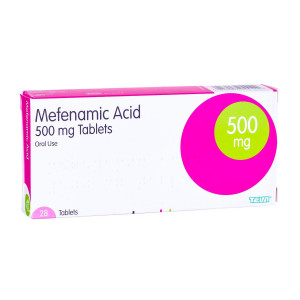
Mefenamic acid is one of the group of drugs called non-steroidal, anti-inflammatories. Mefenamic acid is used to relieve a variety of different kinds of discomfort or pain but primarily, it is used for the relief of period pain. It may also be prescribed to women after childbirth.
Assessment
General Health Questions
Condition Specific Questions
Treatments
Please complete and submit the following consultation
The information you give us is kept confidential and is reviewed by a UK prescriber: a GMC-registered doctor or a GPhC-registered pharmacist independent prescriber. Our prescribers use these questions to make sure the treatment is appropriate and safe for you.
Period Pain Relief Treatments
Before we can issue a treatment, you’ll need to answer a short assessment. This assessment will help us recommend the right treatment for you.
Start Assessment Dispensed by registered UK pharmacists
 100% genuine medicine sourced in the UK
Period Pain Relief
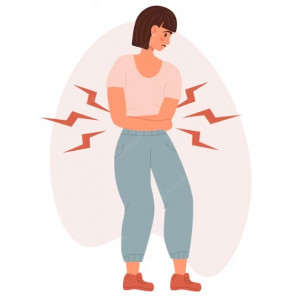
Period pain is very common. Most people who have periods get cramps at some point, and for some it's bad enough to stop them working, studying or sleeping. You don't have to just put up with it: the right painkiller, taken at the right time, controls period pain for most people. MedsRus offers prescription mefenamic acid and naproxen for period pain after a short online consultation with a UK prescriber.
What causes period pain?
During your period, the womb lining releases chemicals called prostaglandins. They make the muscles of the womb tighten to shed the lining, which causes cramping pain in your lower tummy. The pain can spread to your back and thighs, and some people also feel sick, get headaches or have diarrhoea.
Pain usually starts when bleeding starts, or just before, and lasts 2 to 3 days. People with higher levels of prostaglandins tend to have more painful, and often heavier, periods.
When period pain might be something else
Sometimes period pain is caused by a condition such as endometriosis, fibroids or adenomyosis. It's worth seeing a GP if:
- your pain has got worse over time, or started later in life;
- you have pain between periods or during sex;
- you bleed between periods or after sex;
- your periods are very heavy;
- painkillers don't help.
Period pain tablets
Anti-inflammatory painkillers (NSAIDs) work best for period pain, because they reduce the prostaglandins that cause the cramps.
| Mefenamic acid | Naproxen | |
|---|---|---|
| Type | Anti-inflammatory (NSAID) | Anti-inflammatory (NSAID) |
| How often | Usually three times a day | Usually twice a day |
| Also helps with | Heavy bleeding | Other aches, such as back pain |
| Take it | With food, when your period or pain starts | With food, when your period or pain starts |
| Prescription needed | Yes | Yes |
Mefenamic acid
Mefenamic acid is used specifically for period pain and heavy periods. As well as easing cramps, it can make periods lighter. You usually take it for a few days each month, when your period starts.
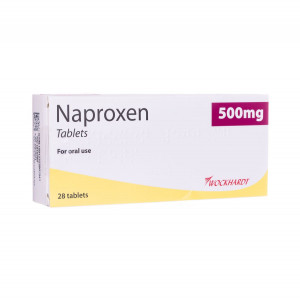
Naproxen
Naproxen lasts longer, so you only need it twice a day. It's a good option if ibuprofen hasn't been strong enough. Our pain relief tablets page explains more about naproxen and naproxen EC.
Getting the most from your tablets
- Start early. Take your first dose as soon as your period or pain starts, or the day before if your periods are regular. NSAIDs work better at stopping prostaglandins than at clearing them once they've built up.
- Take them regularly for the first 2 to 3 days, rather than waiting for the pain to come back.
- Take them with food to protect your stomach.
- Don't combine NSAIDs. Don't take mefenamic acid or naproxen with ibuprofen or aspirin. Paracetamol can be taken alongside if you need it.
Who shouldn't take them
Mefenamic acid and naproxen may not be suitable if you:
- have had a stomach ulcer or bleeding;
- have asthma that gets worse with ibuprofen or aspirin;
- have kidney, liver or heart problems;
- are pregnant or trying to get pregnant;
- take blood thinners.
Common side effects include indigestion, feeling sick and diarrhoea. Stop taking mefenamic acid and get advice if you get diarrhoea or a rash.
Heavy periods and period pain
Painful periods are often heavy too. Your periods may be heavy if you need to change a pad or tampon every 1 to 2 hours, pass clots bigger than about 2.5cm, bleed through to your clothes, or bleed for more than 7 days.
Mefenamic acid can help with both, because it reduces the prostaglandins behind the cramps and the bleeding. If your periods are heavy, it's still worth seeing a GP, who can check for causes such as fibroids and test you for anaemia. Feeling very tired, short of breath or looking pale can be signs that heavy bleeding has lowered your iron levels.
Other treatments a GP may offer for heavy periods include tranexamic acid, the hormonal coil, or the combined pill.
Other ways to ease period pain
These can help alongside tablets:
- a hot water bottle or heat pad on your tummy or back;
- a warm bath;
- gentle exercise, such as walking, swimming or yoga;
- gentle tummy massage;
- stopping smoking, which is linked to more painful periods.
Hormonal contraception
If painkillers aren't enough, the combined pill or a hormonal coil can make periods lighter and less painful, or stop them altogether. See our contraceptive pill page. If you'd like to move a period for a holiday or event, our period delay section explains how.
How to order period pain relief from MedsRus
- Complete a short consultation about your periods, your health and any medicines you take.
- A UK prescriber reviews it and approves a suitable treatment.
- We send it in discreet packaging, ready for your next period.
Period pain FAQs
What's the strongest painkiller for period pain?
There isn't one "strongest", but anti-inflammatories such as mefenamic acid and naproxen usually work better than paracetamol for period cramps.
How many times a day can I take mefenamic acid?
Usually three times a day, with food, for a few days during your period. Always follow the dose on your label.
Is mefenamic acid better than ibuprofen?
Both are anti-inflammatories. Mefenamic acid also reduces heavy bleeding, and some people find it works better for their period pain.
Can I take mefenamic acid and paracetamol together?
Yes. Don't take it with ibuprofen, naproxen or aspirin.
Is it normal to have very painful periods?
Some cramping is normal, but pain that stops you doing everyday things isn't something you have to live with. See a GP if treatment doesn't help.
Can period pain be a sign of endometriosis?
It can. Pain that's getting worse, pain during sex, or pain between periods are reasons to see a GP.
Further reading
Sources:
Mefenamic Acid
-
${ slotProps.product.price }$
Product not found, please try a different combination
Naproxen and Naproxen EC
-
${ slotProps.product.price }$
Product not found, please try a different combination
All questions completed.
Proceed To Product Consultation${ slotProps.remainingQuestionCount }$ questions remaining. Please complete all questions to continue.
Proceed To Product ConsultationAll questions completed.
Proceed To Product Confirmation${ slotProps.remainingQuestionCount }$ questions remaining. Please complete all questions to continue.
Proceed To Product Confirmation