


Doxycycline for Malaria Prevention
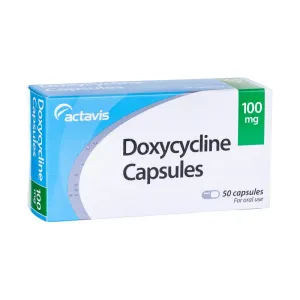
Doxycycline 100mg capsules to help prevent malaria. Take one a day, from 1 to 2 days before you arrive in a malaria area until 4 weeks after you leave. Prescribed after a short consultation about your trip.
Assessment
General Health Questions
Condition Specific Questions
Treatments
Please complete and submit the following consultation
The information you give us is kept confidential and is reviewed by a UK prescriber: a GMC-registered doctor or a GPhC-registered pharmacist independent prescriber. Our prescribers use these questions to make sure the treatment is appropriate and safe for you.
Malaria Tablets Treatments
Before we can issue a treatment, you’ll need to answer a short assessment. This assessment will help us recommend the right treatment for you.
Start Assessment Dispensed by registered UK pharmacists
 100% genuine medicine sourced in the UK
Malaria Tablets
Malaria is a serious, sometimes fatal infection spread by mosquito bites in parts of Africa, Asia, South and Central America and the Middle East. If you're travelling somewhere with a malaria risk, taking antimalarial tablets, and avoiding bites, gives you very strong protection. MedsRus offers doxycycline malaria tablets after a short online consultation with a UK prescriber. Order in good time: you need to start the tablets before you go.
Do I need malaria tablets?
It depends on exactly where you're going, when, and what you'll be doing. Risk can differ a lot within one country. For example, a city may have little or no risk while rural areas nearby are high risk.
The most reliable source for your destination is TravelHealthPro, run by the UK's National Travel Health Network and Centre. Look up each country you'll visit. If it says antimalarial tablets are advised for where you're going, start a consultation with us or speak to a travel clinic.
Try to sort this out at least a few weeks before you travel, so you have time to arrange any vaccines as well.
How doxycycline prevents malaria
Doxycycline is an antibiotic. Taken every day, it kills the malaria parasite in your blood before it can make you ill. It's suitable for most destinations, it's taken daily, and it's one of the more affordable options.
How to take doxycycline for malaria
- Take one 100mg capsule once a day.
- Start 1 to 2 days before you arrive in the malaria area.
- Keep taking it every day while you're there.
- Carry on for 4 weeks after you leave. This last part matters: it's when parasites picked up near the end of your trip are dealt with.
Swallow each capsule whole with a full glass of water, sitting or standing, and stay upright for at least 30 minutes afterwards. Taking it with food can help if it upsets your stomach. Don't take it just before bed, as it can irritate your throat.
How many capsules will I need?
| Days in the malaria area | Capsules needed |
|---|---|
| Up to 7 | 37 |
| Up to 14 | 44 |
| Up to 21 | 51 |
| Up to 28 | 58 |
| Up to 35 | 65 |
| Up to 42 | 72 |
| Up to 56 | 86 |
| Up to 84 | 114 |
| Up to 182 | 212 |
This covers the 2 days before you go, every day you're away, and the 28 days after you're back.
Side effects of doxycycline
Most people are fine. The most common side effects are:
- feeling sick or an upset stomach;
- headaches;
- sensitivity to the sun: you may burn more easily, so use a high SPF sunscreen and cover up;
- thrush in women.
Indigestion remedies, and supplements containing iron, calcium or zinc, stop doxycycline being absorbed properly. Take them at least 2 to 3 hours apart. Our article on side effects of anti-malaria tablets compares the options.
Who shouldn't take doxycycline?
The consultation checks for these. Doxycycline isn't usually suitable if you're pregnant or breastfeeding, for children under 12, or if you're allergic to tetracycline antibiotics or have lupus or myasthenia gravis. If it isn't right for you, the prescriber will say so, and a travel clinic can advise on other antimalarials such as atovaquone-proguanil.
How doxycycline compares with other antimalarials
We only supply doxycycline, but it helps to know how it compares with the main alternatives:
| Doxycycline | Atovaquone-proguanil (Malarone) | Mefloquine | |
|---|---|---|---|
| How often | Once a day | Once a day | Once a week |
| Start | 1 to 2 days before | 1 to 2 days before | 2 to 3 weeks before |
| Carry on after you leave | 4 weeks | 7 days | 4 weeks |
| Worth knowing | Sun sensitivity; not for under 12s or pregnancy | Fewer days after the trip; usually costs more | Not suitable if you've had depression, anxiety or epilepsy |
Which one suits you depends on where you're going, how long for, your health and other medicines.
Tablets aren't enough on their own: avoid bites
No antimalarial is 100% effective, so preventing bites is just as important:
- use an insect repellent containing 50% DEET on exposed skin, and reapply it, especially after swimming;
- put sunscreen on first, then repellent;
- sleep under a mosquito net treated with insecticide, or in a room with screens or air conditioning;
- wear long sleeves and trousers in the evening and at night, when malaria mosquitoes bite most.
If you get a fever during or after your trip
Malaria symptoms usually start 7 to 18 days after an infected bite, but they can take months to appear. They're often like flu: a high temperature, chills, sweats, headache, aching muscles and sickness.
If you get these symptoms while travelling, or in the year after you get back, get medical help urgently and say where you've been. It's still possible to get malaria even if you took your tablets.
How to order malaria tablets from MedsRus
- Tell us where you're going and for how long, plus a few questions about your health and medicines.
- A UK prescriber checks that doxycycline is suitable for you and your trip.
- We send the right number of capsules in plain packaging. Leave enough time for delivery before you need to start.
Malaria tablets FAQs
How do I get malaria tablets in the UK?
Malaria tablets aren't free on the NHS. You can get them from a pharmacy, a travel clinic, or online after a consultation with a prescriber, as with MedsRus.
Can I buy malaria tablets over the counter?
Some antimalarials can be sold by a pharmacist after a few questions, but doxycycline needs a prescription. Our online consultation provides one if it's suitable.
Do malaria tablets make you sick?
Some people feel a bit sick on doxycycline. Taking it with food and plenty of water usually helps.
Do I need malaria tablets for India or Thailand?
It depends on the region. Many popular tourist areas have little risk, but some parts do. Check each place on TravelHealthPro before you travel.
Do I need malaria tablets for Kenya, Tanzania or Ghana?
Usually yes for most trips to these countries, as much of sub-Saharan Africa has a high malaria risk. Advice can differ for some areas, such as high-altitude parts of Kenya, so check each place you'll visit on TravelHealthPro.
What if I miss a dose?
Take it as soon as you remember, unless it's nearly time for the next one. Don't take two at once. Missing doses makes the protection weaker.
Can I stop the tablets when I get home?
No. Keep taking doxycycline for 4 weeks after leaving the malaria area. Stopping early is one of the most common reasons travellers still get malaria.
Flying long-haul? Our page on jet lag treatment explains how to adjust to a new time zone.
Further reading
Sources:

Doxycycline for Malaria Prevention
-
${ slotProps.product.price }$
Product not found, please try a different combination
All questions completed.
Proceed To Product Consultation${ slotProps.remainingQuestionCount }$ questions remaining. We've marked them in red above.Please complete all questions to continue.
Proceed To Product ConsultationAll questions completed.
Proceed To Product Confirmation${ slotProps.remainingQuestionCount }$ questions remaining. We've marked them in red above.Please complete all questions to continue.
Proceed To Product Confirmation