


Colofac (Mebeverine)
Colofac IBS (mebeverine 135mg) relieves stomach cramps, tummy pain and bloating caused by irritable bowel syndrome. It's for adults whose IBS has already been diagnosed by a doctor.
Assessment
General Health Questions
Condition Specific Questions
Treatments
Please complete and submit the following consultation
The information you give us is kept confidential and is reviewed by a UK prescriber: a GMC-registered doctor or a GPhC-registered pharmacist independent prescriber. Our prescribers use these questions to make sure the treatment is appropriate and safe for you.
IBS Treatment Treatments
Before we can issue a treatment, you’ll need to answer a short assessment. This assessment will help us recommend the right treatment for you.
Start Assessment Dispensed by registered UK pharmacists
 100% genuine medicine sourced in the UK

IBS Treatment
Irritable bowel syndrome (IBS) is a common long-term condition that causes tummy pain, bloating and changes in your bowel habits. It affects up to 1 in 5 people at some point, and while there's no cure, most people find a mix of diet changes and the right medicine keeps it under control. MedsRus offers Colofac and mebeverine tablets to ease cramps and bloating, after a short online consultation.
IBS symptoms
The main symptoms of IBS are:
- tummy pain or cramps, often better after you poo;
- bloating, or a swollen tummy;
- diarrhoea, constipation, or swapping between the two;
- feeling you haven't fully emptied your bowels;
- passing mucus.
Many people also feel tired, sick or have backache. Symptoms often come and go in flare-ups that last a few days to a few months, and they're often worse after eating.
IBS is usually described by the main bowel habit: IBS with diarrhoea, IBS with constipation, or mixed. The type matters, because it changes which treatments help.
What causes IBS?
The exact cause isn't known. It's linked to the gut being more sensitive than usual, food moving through it too quickly or too slowly, and the way the gut and brain communicate. Common triggers include:
- certain foods and drinks, such as alcohol, caffeine, fizzy drinks, spicy or fatty food;
- stress and anxiety;
- a previous stomach bug;
- hormonal changes, including around periods.
IBS treatment tablets
Mebeverine (an antispasmodic)
Mebeverine relaxes the muscles in the wall of your gut. That eases the cramps and spasms behind much of the pain and bloating of IBS. It doesn't cause drowsiness and works directly on the gut, so side effects are uncommon.
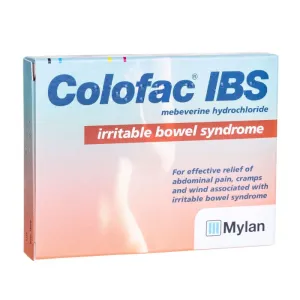
- Colofac is the original brand of mebeverine. It comes as 135mg tablets, taken three times a day, or 200mg modified-release capsules, taken twice a day.
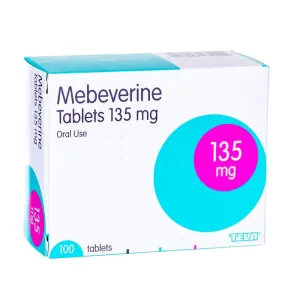
- Generic mebeverine 135mg is the same medicine.
You usually take one tablet three times a day, about 20 minutes before meals. Many people notice a difference within a few days. You can take it during a flare-up and stop when your symptoms settle.
Other medicines for IBS
Depending on your symptoms, a pharmacist or GP may also suggest:
- peppermint oil capsules, another way to relax the gut;
- loperamide for diarrhoea;
- a fibre-based laxative, such as ispaghula, for constipation;
- for persistent pain, a GP may prescribe a low dose of a medicine that calms gut nerves.
Diet and lifestyle changes
Changes to what and how you eat are often the most effective thing you can do.
- Eat regular meals and don't skip or rush them.
- Keep a food and symptom diary for a few weeks to spot your triggers.
- Cut down on alcohol, caffeine, fizzy drinks and fatty or spicy food.
- Adjust fibre: oats can help with wind and bloating. If you have diarrhoea, cut back on high-fibre foods such as wholegrain bread and bran.
- Drink plenty of water, especially if you're constipated.
- Try a low FODMAP diet, ideally with a dietitian's support, if other changes don't help. It cuts out certain carbohydrates that are hard to digest, then reintroduces them to find your triggers.
- Manage stress. Exercise, relaxation and talking therapies such as CBT can calm IBS symptoms.
Managing an IBS flare-up
Flare-ups can come on suddenly. When they do:
- Go back to basics with food. Small, plain meals are easier on your gut than large or rich ones.
- Use heat. A hot water bottle or heat pad on your tummy can ease cramps.
- Take your antispasmodic before meals while symptoms are bad.
- Move gently. A walk can help trapped wind and bloating.
- Note what happened in the days before: a new food, a late night, a stressful week. Patterns often become clear over time.
Most flare-ups settle within a few days. If they're becoming more frequent or more severe, it's worth a review with your GP, as your treatment may need changing.
When to see a GP
IBS should be diagnosed by a doctor first, because its symptoms can overlap with other conditions. See a GP if:
- you have IBS-type symptoms for the first time, especially if you're over 40;
- you notice blood in your poo, or black, tarry poo;
- you lose weight without trying;
- you have a lump in your tummy or bottom;
- your bowel habits have changed for more than a few weeks;
- symptoms wake you at night;
- you have a family history of bowel or ovarian cancer.
If you get heartburn or indigestion as well, see our acid reflux treatments.
How to order IBS treatment from MedsRus
- Complete a short consultation about your symptoms, your diagnosis and any medicines you take.
- Our pharmacy team or a UK prescriber reviews it and approves a suitable treatment.
- We send it in discreet packaging.
IBS FAQs
What is the best treatment for IBS?
There's no single best treatment. Diet changes and an antispasmodic such as mebeverine help many people, and the right approach depends on your main symptoms.
What are Colofac tablets used for?
Colofac contains mebeverine. It's used to relieve the cramps, pain and bloating of IBS.
What's the difference between Colofac and mebeverine?
They contain the same medicine. Colofac is the original brand and generic mebeverine works in exactly the same way. Colofac also comes as a 200mg modified-release capsule that you take twice a day instead of three times.
How quickly does mebeverine work?
Many people notice their symptoms ease within a few days of starting it.
Can I take mebeverine long term?
You can take it during flare-ups. If you need it for more than 2 weeks without improvement, see your GP.
Is IBS serious?
IBS can be uncomfortable and disruptive, but it doesn't damage your gut or lead to cancer. Red-flag symptoms such as bleeding or weight loss need checking, though.
Can stress cause IBS?
Stress doesn't cause IBS on its own, but it's a very common trigger for flare-ups.
Straining from constipation can lead to piles. See our page on piles treatment if you need it.
Further reading
- IBS flare-ups: how long they last and what helps
- A beginner's guide to the low FODMAP diet
- IBS or something else? Symptoms you shouldn't ignore
- Mebeverine, peppermint oil or hyoscine?
- All chronic condition treatments
- Anxiety treatment
Sources:

Colofac (Mebeverine)
-
${ slotProps.product.price }$
Product not found, please try a different combination
Mebeverine 135mg Tablets
-
${ slotProps.product.price }$
Product not found, please try a different combination
All questions completed.
Proceed To Product Consultation${ slotProps.remainingQuestionCount }$ questions remaining. Please complete all questions to continue.
Proceed To Product ConsultationAll questions completed.
Proceed To Product Confirmation${ slotProps.remainingQuestionCount }$ questions remaining. Please complete all questions to continue.
Proceed To Product Confirmation